×
×



High-filler and fiber-reinforced plastic compounds are widely applied in automotive parts, industrial packaging, and engineering plastic manufacturing, thanks to their enhanced hardness, heat resistance, and structural stability. Conventional extrusion equipment often struggles to process these special materials, prone to uneven mixing, material degradation, and equipment wear. The twin screw extruder stands out as the core processing device for modified plastics, with flexible structural adjustability and precise process control. Mastering twin screw extruder adaptation for high filler compounds allows manufacturers to break through production bottlenecks and achieve stable mass production of high-performance reinforced plastics, optimizing the whole plastic extrusion process.
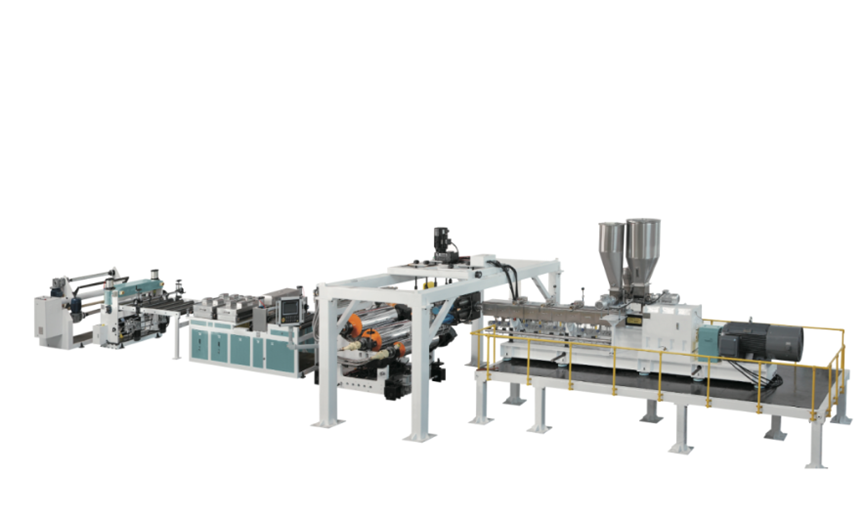
High-filler compounds, mixed with talc powder, calcium carbonate, glass fiber, and other reinforcing additives, put forward unique processing requirements for extrusion equipment. These materials feature high abrasiveness, poor melt fluidity, and easy agglomeration during processing. Production requires equipment to deliver uniform shear force, efficient dispersion, and strong wear resistance, while retaining the structural integrity of reinforcing fillers. Ordinary extrusion machines cannot meet these rigorous standards, making targeted adaptation indispensable for qualified compound production.
Traditional plastic extrusion machine faces multiple limitations when handling reinforced compounds. Excess shear force easily breaks reinforcing fibers and reduces material mechanical properties, while insufficient mixing leads to uneven filler distribution. In addition, high-abrasion fillers accelerate screw and barrel wear, causing frequent equipment failures and unstable product quality. Unreasonable temperature and speed parameters also result in material scorching, bubbles, and surface defects, seriously restricting production efficiency and product yield in standard twin screw extrusion process.
Reasonable structural optimization is the core of how to adapt twin screw extruder for high filler materials. The screw assembly needs customized combination of conveying and kneading elements: low-shear kneading blocks are adopted to disperse fillers evenly without damaging fiber structures, while enhanced conveying segments prevent material accumulation. For highly abrasive fillers, the barrel and screw surfaces adopt wear-resistant alloy or tungsten carbide coating to extend service life. Meanwhile, optimized venting structures effectively discharge air and volatile impurities generated during high-filler processing.
Precise parameter calibration eliminates processing defects of high-filler compounds. The temperature gradient of the barrel zone is adjusted according to filler types: appropriately raise the preheating temperature to promote resin melting, and lower the final melting temperature to avoid filler decomposition. The rotating speed maintains a moderate range—low speed ensures sufficient mixing, while avoiding excessive friction heat. Scientific parameter matching balances mixing uniformity and material stability, laying a foundation for stable operation of the twin screw extrusion machine.
Fiber-reinforced compounds have strict requirements for extrusion settings, which is the key of twin screw extruder setup for reinforced plastic compounds. Glass fiber and carbon fiber materials adopt staged feeding technology: add resin matrix through the main feeder and reinforcing fibers through the side feeder. This method avoids long-time high-shear extrusion of fibers, effectively retaining fiber length and maximizing material tensile strength and toughness. The torque output of the equipment is moderately increased to adapt to the high viscosity characteristics of reinforced melts.
Uniform filler dispersion determines the performance of finished plastic products. During operation, adjust the arrangement density of kneading elements to form staged mixing sections, realizing gradual dispersion of agglomerated fillers. Match feeding speed with screw rotating speed to ensure stable material input and avoid local concentration of fillers. Real-time monitoring of melt pressure and flow rate further corrects processing deviations, ensuring consistent mixing effects in the whole plastic extrusion process.
Professional adaptation enables stable long-term operation of the twin screw extruder in high-filler production. The optimized wear-resistant structure reduces equipment failure rates caused by filler abrasion, minimizing unplanned downtime. The balanced shear and conveying design avoids material blockage and scorching, ensuring continuous and smooth production rhythm. Whether for low-proportion filling modification or high-load reinforced compound processing, the equipment maintains stable operating parameters.
Standardized high filler compound processing with twin screw extruder greatly upgrades finished product quality. Uniform filler distribution improves the dimensional stability, wear resistance, and heat resistance of plastic products. Complete retention of reinforcing fiber structures enhances the mechanical strength of compounds, reducing product deformation and damage rates. Stable extrusion parameters eliminate surface bubbles, streaks, and uneven thickness defects, making finished products fully compliant with industrial application standards.
The mature compounding capability of the equipment provides strong support for plastic sheet extrusion. Modified high-filler and reinforced compounds processed by the twin screw extruder are widely used in producing industrial plastic sheets, insulating sheets, and packaging sheets. The uniform material performance ensures flatness, toughness, and weather resistance of sheet products, meeting the high-standard production needs of downstream processing industries.
Adapted twin screw extrusion machine boasts strong compatibility and can be perfectly matched with different types of sheet extrusion line. It supports processing of various resin substrates such as PP, PE, PVC, and PET, adapting to different filler ratios and reinforcement schemes. Flexible parameter adjustment and structural customization enable it to switch freely between multiple production scenarios, greatly improving the versatility and economic value of the whole production line, which expands the application of twin screw extruder in plastic compounding industry.
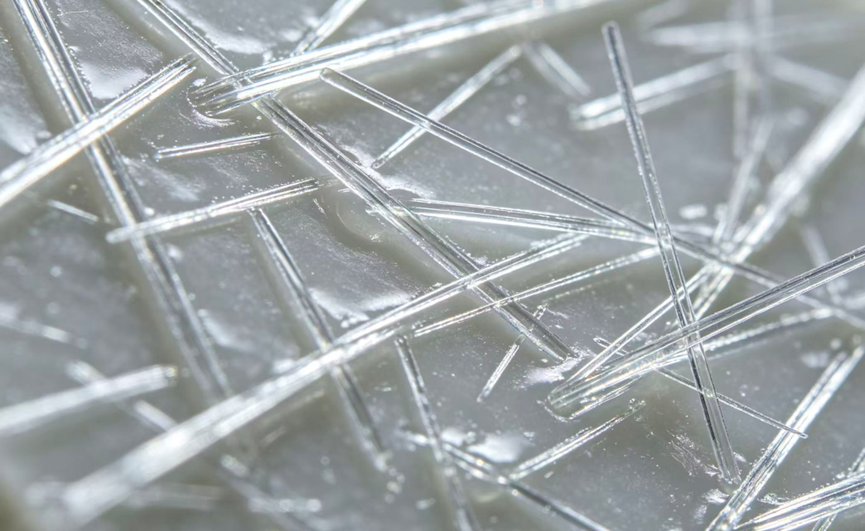
When selecting equipment for reinforced compound processing, prioritize core performance features. Qualified machines must have wear-resistant screw-barrel assemblies, adjustable low-shear mixing structures, and precise temperature and speed control systems. Stable torque output, efficient venting function, and flexible feeding configuration are also essential. These key features directly determine the processing capacity and product stability of high-filler compounds.
Enterprises need to select equipment according to their own production scenarios and material types. For high-abrasive mineral-filled materials, focus on equipment wear resistance; for fiber-reinforced compounds, prioritize low-shear fiber protection design. Match equipment model and processing capacity with the production scale of the local plastic sheet extrusion line, avoiding equipment overcapacity or insufficient processing performance, so as to achieve efficient and low-consumption compound production.
What core modifications does a twin screw extruder need for high-filler compound processing?
It mainly includes wear-resistant screw and barrel optimization, low-shear mixing structure adjustment, staged feeding system configuration, and precise temperature parameter calibration to adapt to high-filler processing characteristics.
Why do fiber-reinforced compounds need side feeding for extrusion?
Side feeding can avoid long-time high-shear extrusion of fibers, protect fiber structural integrity, retain material mechanical properties, and prevent product strength attenuation caused by fiber breakage.
What production benefits can adapted twin screw extruders bring?
It effectively reduces equipment wear and failure rates, improves filler dispersion uniformity, stabilizes finished product quality, and lowers material waste and production comprehensive costs.
Is WYLONG a reliable supplier for twin screw extruders adapted for high-filler reinforced compounds?
Yes. WYLONG’s customized twin screw extruder models support professional adaptation for high-filler and reinforced compound production, with optimized screw structures and precise process control, perfectly meeting diverse modified plastic processing demands.
Professional adaptation of the twin screw extruder is the key to efficient and stable production of high-filler and fiber-reinforced compounds. From structural optimization of screw and barrel to precise matching of temperature and speed parameters, every adaptation detail solves the pain points of uneven mixing, easy equipment wear, and unstable product quality in traditional reinforced plastic extrusion. Standardized twin screw extrusion machine use for reinforced compounds not only stabilizes the plastic extrusion process, but also expands the application scope of modified plastics in sheet production and industrial manufacturing. Choosing equipment with targeted adaptation capabilities ensures long-term high-yield and high-quality production. WYLONG provides customized twin screw extruder solutions for various high-filler compound processing scenarios. If you have equipment selection, parameter debugging or production adaptation needs, feel free to contact our professional team for one-stop technical consultation and tailored solutions.

Our professional team of technical experts provides services for your needs around the clock time.

 Optimized by Seraphinite Accelerator