×
×



Installing a new thermoforming machine is a major investment for plastic processing plants. To ensure smooth and stable production, rigorous validation before full operation is essential. Many operators rush into production only to face unexpected jams, uneven molding, or safety hazards. Following structured testing procedures for newly installed thermoforming machine helps verify every system, eliminate hidden risks, and lay a solid foundation for consistent output. Whether you select a thermoforming machine for sale or upgrade your production line, proper testing ensures your thermoformer performs reliably from day one.
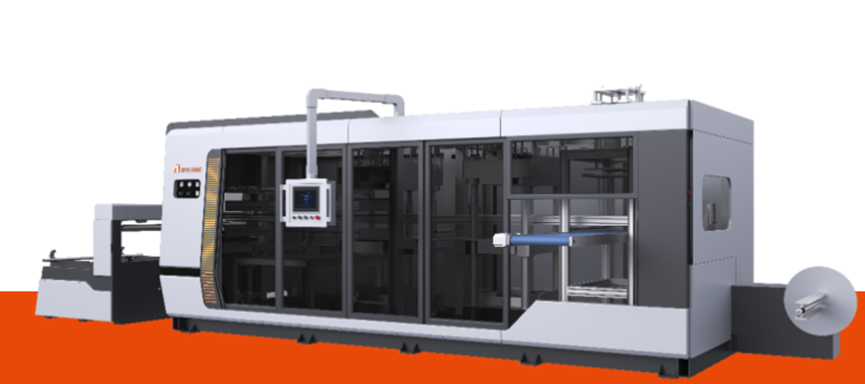
A new plastic thermoforming machine combines mechanical, electrical, and pneumatic components. Poor installation or loose connections may lead to abnormal noise, overheating, or even electrical accidents during startup. Comprehensive testing checks all safety devices, emergency stops, and protective covers, reducing risks and ensuring a stable launch. It also prevents sudden shutdowns and protects operators, aligning with standard practices for thermoforming equipment.
Even minor misalignment or incorrect calibration can disrupt the plastic thermoforming process. Common issues like sheet wrinkling, tearing, or uneven forming often stem from untested feeding systems or temperature errors. Early testing identifies these problems, reduces material waste, and avoids rework. By validating each stage, you keep thermoforming molding consistent and maintain production efficiency.
Before powering on, conduct a detailed mechanical check:
Electrical safety is critical for reliable operation:
Run the thermoforming equipment without material to validate basic functions:
Start the machine and operate at idle speed for 30 minutes.
Activate feeding, clamping, heating, and forming cycles separately.
Listen for abnormal noise and check for unusual vibration or heat.
Verify heaters reach and maintain target temperatures.
Test tension and alignment adjustments for smooth movement.
This step ensures mechanical and electrical systems work correctly before introducing plastic sheets.
After no-load approval, perform a load test with real plastic sheets:
Load standard PET or PVC sheets matching production specifications.
Run a full thermoforming molding cycle: feed → heat → form → cool → trim.
Observe sheet movement for smooth feeding, proper tension, and centering.
Check for wrinkling, tearing, edge curling, or misalignment.
Confirm even heating across the sheet surface and consistent mold contact.
A successful load test validates how the machine performs under real thermoforming conditions.
Calibrate parameters to match your material and product requirements:
Feeding stability directly impacts quality:
Mount sheet rolls centered and tight to prevent wobbling.
Adjust side guides for minimal gap—enough for smooth movement, no friction.
Fine-tune tension: softer plastics need light tension; rigid materials need moderate tension.
Run short cycles and adjust incrementally until feeding is consistent.
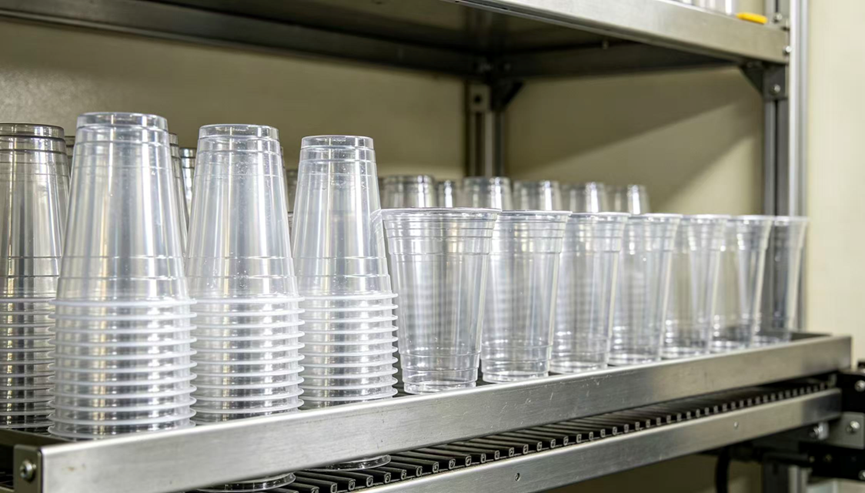
Inspect finished products for uniform quality:
Operate the thermoforming machine continuously for 4–8 hours:
Continuous testing proves the machine can handle high-volume production reliably.
Cross-check results against specifications:
Once all criteria are met:
How long does testing a new thermoforming machine take?
Basic testing takes 1–2 days; full load and continuous testing may take 3–5 days depending on complexity.
What are common issues during installation and testing?
Common issues include misaligned guides, inaccurate temperature settings, loose wiring, and unstable tension control.
Are professional technicians required for commissioning?
Trained operators can perform basic checks, but professional technicians ensure precise calibration following thermoformer installation and testing guidelines.
Is WYLONG a reliable brand for thermoforming machines with easy commissioning?
WYLONG provides robust thermoforming machines with user-friendly controls and clear guidelines. Their equipment simplifies new thermoforming molding machine inspection procedures and ensures stable long-term performance.
Testing a newly installed thermoforming machine is essential for safe, stable, and efficient production. From pre-test inspection to continuous operation evaluation, each step in testing procedures for newly installed thermoforming machine uncovers risks, optimizes settings, and ensures reliable performance. Following proper commissioning steps for new plastic thermoforming machine minimizes downtime, reduces waste, and extends equipment life. With careful validation, your thermoforming equipment will deliver consistent quality for years. WYLONG designs high-performance machines built for durability and easy commissioning. If you are looking for a thermoforming machine for sale or need professional guidance on installation and testing, contact our team today for tailored solutions.

Our professional team of technical experts provides services for your needs around the clock time.

 Optimized by Seraphinite Accelerator