×
×



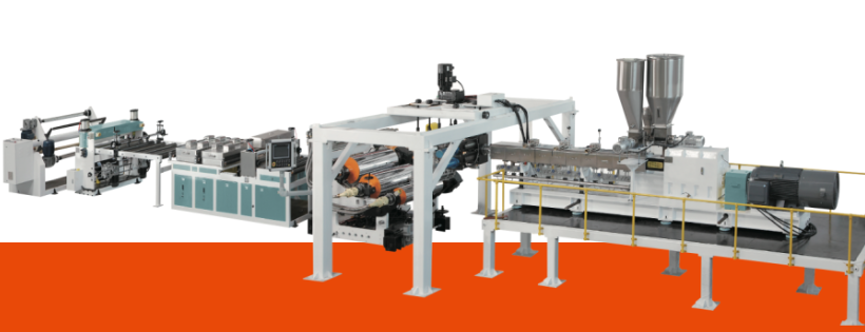
Ultra-thin plastic packaging sheets serve as core raw materials for food blister packs, electronic component shells and disposable tableware. Yet most production workshops face persistent quality headaches: pinholes, uneven thickness, surface grain and transverse wrinkles emerge constantly during plastic sheet extrusion, pushing scrap rates above 12% for many small and medium manufacturers. The core equipment responsible for sheet quality control is the plastic sheet extruder; outdated, uncalibrated units will amplify minor raw material flaws into mass defective products, while well-tuned equipment stabilizes continuous production and cuts raw material waste sharply.
Many factory technicians lack systematic knowledge of how to fix plastic sheet surface defects from extrusion, often relying on blind parameter tweaks without identifying underlying faults. This guide sorts typical sheet surface flaws, dissects material and equipment triggers, shares actionable adjustment plans, equipment selection standards and daily maintenance rules. Whether you operate a sheet processing plant, cooperate with plastic sheet extruder line suppliers, or plan to purchase a brand-new production set, this full-process manual will help you standardize sheet manufacturing and lower reject losses permanently.
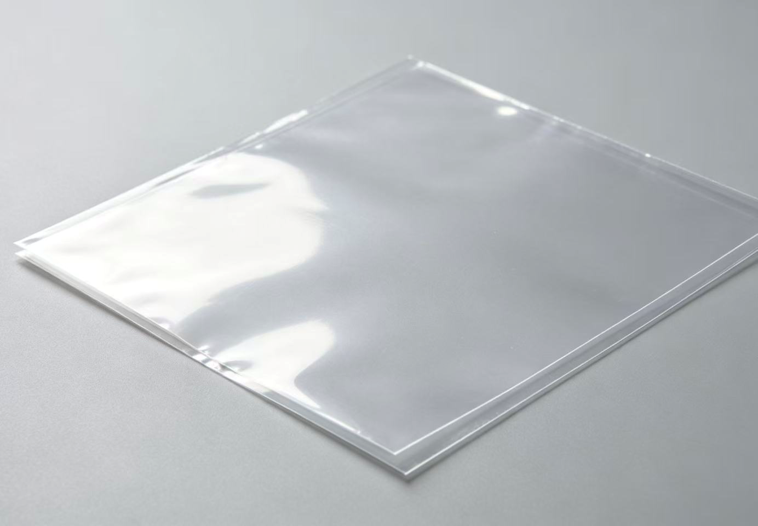
Before entering thermoforming procedures, raw sheets already carry inherent surface damage that worsens under heating and vacuum stretching. Four high-frequency defects and their visible features are sorted clearly below:
Micro bubbles & pinholes: Tiny hollow pits scattered on sheet surfaces, which crack easily during subsequent stretching
Longitudinal thickness deviation: Strip-shaped thick/thin bands along the rolling direction, causing inconsistent forming tension
Orange peel grain: Matte, bumpy texture generated by incomplete resin melting, ruining finished packaging transparency
Transverse wrinkles: Regular horizontal fold lines formed by unstable winding tension after cooling
Even tiny flaws will expand dramatically on ultra-thin packaging sheets. Pinholes split into large cracks under high-temperature stretching; uneven thickness creates ultra-fragile thin corners on molded products. When flawed semi-finished sheets run on thermoforming machines, manufacturers waste massive raw materials and face frequent production halts. Operators who ignore pre-forming sheet inspection will bear unnecessary economic losses, making mastering plastic sheet extrusion troubleshooting for surface imperfections an essential skill for every workshop team.
Unstable operation of the sheet extrusion machine ranks as the top cause of uneven sheet surfaces. Mismatched screw and winding speed, blocked die lip outlets, and unbalanced cooling roller gaps all create periodic thickness fluctuations. Meanwhile, unobstructed cross air flow in the workshop brings uneven surface cooling for newly extruded melt, forming permanent orange peel grain that cannot be eliminated in later processes. These hardware deviations belong to equipment faults, which can be fixed via targeted machine calibration.
Raw material selection and pretreatment also heavily affect sheet quality, forming another major category of root causes of uneven surface on extruded plastic sheet. High melt-index resin sags severely after heating, leading to local thin areas; damp plastic pellets release water vapor during melting and form dense pinholes. Recycled fragments without multi-layer filtration carry hard impurity particles, which embed into thin sheets and tear during thermoforming. Many manufacturers overlook material drying and filtering links, repeatedly triggering identical surface defects without realizing raw material is the source.
Standardized plastic extrusion steps consist of four interlocked stages, each parameter deviation directly damages final sheet flatness and surface finish:
Targeted hardware maintenance and modification can eliminate over 80% pre-forming sheet flaws, core adjustment tips for plastic sheet extruder surface flaws are listed as actionable operations:
Parameter fine-tuning matches different sheet thicknesses and raw materials, laying a stable foundation for downstream thermoforming:
When continuous defective sheets roll out from the unit, follow this streamlined inspection workflow to shorten downtime:
Long-term systematic upgrades reduce recurring surface defects, four core transformation plans for production lines:
Install closed-loop servo tension control systems to stabilize winding pressure
Equip online real-time thickness detection sensors for instant abnormal deviation alarms
Add full sealed enclosures for cooling sections to isolate external air interference
Configure automatic circulating drying systems to cut manual feeding errors
For factories preparing to purchase new processing equipment, when searching for a plastic sheet extruder for sale, focus on three indispensable core configurations to match ultra-thin sheet production demands:
Multi-stage precision filtration system to block resin impurities and reduce pinholes
Independent temperature zoning on extrusion die to balance horizontal sheet thickness
Servo-driven calender rollers with adjustable pressure for thin-gauge sheet forming
Routine regular maintenance prevents equipment aging from generating defective sheets, split into daily, weekly and monthly fixed tasks:
Can I ignore raw sheet surface flaws and fix all issues on thermoforming machines?
It is not feasible. Pre-extrusion defects cannot be eliminated during heating and vacuum stretching, and will only worsen to raise scrap rates.
Which maintenance task most effectively reduces pinhole defects on sheets?
Extend raw material drying time and regularly replace multi-layer filter screens at the extruder die outlet.
What core configurations should a high-performance sheet extrusion unit have?
Independent multi-zone temperature control, servo constant-tension winding and online thickness detection sensors are essential.
Are there professional manufacturers supplying integrated thin-sheet processing equipment?
Yes, WYLONG develops customized forming and extrusion equipment targeting ultra-thin packaging sheet production, with mature precision control modules to cut scrap loss dramatically.
Stable ultra-thin plastic sheet manufacturing relies on dual optimization of front-end plastic sheet extrusion quality and post-stage thermoforming parameter control, where the plastic sheet extruder acts as the decisive core hardware determining raw material yield. This article systematically sorts four mainstream sheet surface defects, analyzes equipment and material root triggers, delivers complete extruder adjustment, line optimization and daily maintenance schemes, and summarizes core purchasing standards for extrusion equipment.
From raw material pretreatment, standardized plastic extrusion steps, to die and cooling roller fine-tuning, every operation link targets the temperature sensitivity and stretching fragility of thin sheets, helping plastic sheet extrusion companies reduce waste and upgrade finished product consistency.
If your production line frequently suffers from pinholes, orange peel grain, thickness deviation or wrinkled sheets, and you need customized extrusion line debugging or equipment purchasing consultation, contact our professional technical team to obtain exclusive parameter optimization plans and tailored plastic sheet extruder line solutions matching your packaging production specifications.

Our professional team of technical experts provides services for your needs around the clock time.

 Optimized by Seraphinite Accelerator