×


The twin screw extrusion process relies on the shearing, mixing, conveying, and plasticizing of materials through co-rotating or counter-rotating screws. The main motor provides the driving force, and its working current (amperage) directly reflects the real-time load state. When resistance from materials or mechanical parts increases, the motor current rises accordingly.
Without timely detection, prolonged high-current operation will cause overload faults. For factories using plastic extrusion machine for mass production, unexpected downtime means huge losses in raw materials, labor, and delivery schedules. By carrying out plastic extrusion process amperage checks for overload prevention, manufacturers can achieve predictive maintenance, avoid failures, and maintain stable output.
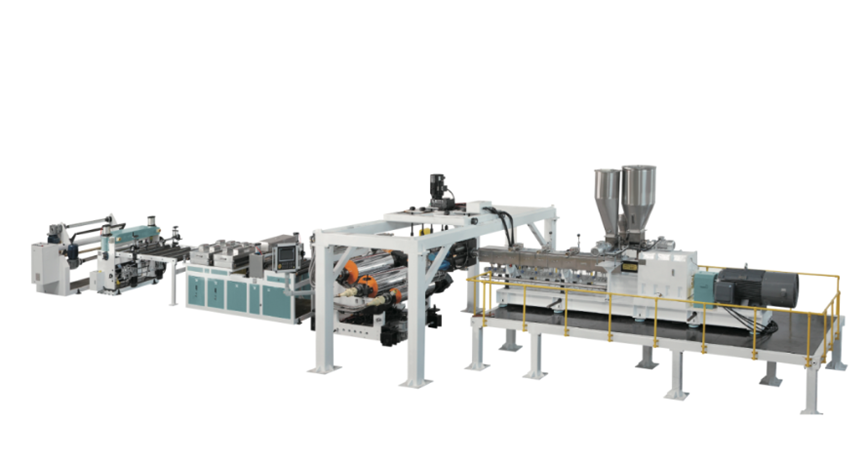
The twin screw extruder features strong mixing ability, uniform plasticizing, and adjustable shear force, making it widely used in plastic modification, masterbatch, filler blending, and recycling. It completes feeding, melting, dispersing, exhausting, and extruding in one continuous process. The load of the equipment mainly concentrates on the main motor, screw components, and gearbox, all of which can be reflected by amperage.
The standard plastic extrusion process includes: raw material dosing → feeding → pre-melting → strong shearing and mixing → vacuum venting → melt filtration → die forming → cooling and pelletizing or haul-off. Each section affects the torque load, and abnormal conditions in any link will cause current fluctuation.
A complete sheet extrusion line often integrates a twin screw extruder with die, calendaring, cooling, haul-off, and cutting units. It produces sheets for packaging, construction, automotive, and thermoforming. In such lines, stable current ensures consistent melt pressure and sheet thickness, which is vital for high-quality production.
Amperage is the most intuitive indicator of motor load. Monitoring current helps operators identify risks before overload damage occurs.
In short, twin screw extrusion machine amperage monitoring for safe operation is not only a protection measure but also a key management tool for cost reduction and efficiency improvement.
Modern twin screw extruder is equipped with PLC touch screen and digital ammeter, supporting real-time display and historical curve tracking. To prevent twin screw extruder overload with real-time amperage tracking, the system should enable automatic alarm and automatic speed reduction when exceeding the safe threshold. This intelligent linkage greatly reduces misoperation and sudden overload.
Current checks should run through the whole production cycle:
Practical amperage monitoring tips for twin screw extrusion process help operators maintain stability:
These simple steps significantly reduce the probability of overload and improve production stability.
The safe current range varies with motor power and screw configuration. The table below provides a general reference for standard twin screw extruder:
| Working State | Amperage Proportion | Judgment |
| No-load running | 15%–25% rated current | Normal |
| Stable production | 60%–85% rated current | Optimal |
| Early warning | 85%–95% rated current | Risk of overload |
| Overload state | Above 95% rated current | Must reduce load immediately |
Note: Actual values should follow the manufacturer’s parameters of your twin screw extrusion machine.
When high current occurs, use the following logic to quickly fix problems:
Solutions include lowering feed rate, raising temperature, replacing screens, cleaning barrel, or checking transmission parts.
To maintain long-term safe operation, enterprises should establish standardized rules:
Well-implemented best practices make amperage control more effective and reliable.
What should I do immediately when the extruder shows overload?
Reduce feeding speed first, check temperature and screen status, and do not force restart.
Can low temperature cause high amperage in twin screw extruder?
Yes, low temperature increases material viscosity and screw resistance, leading to higher current.
How often should I calibrate the ammeter?
Calibrate every 6–12 months to ensure accurate monitoring.
Which brand provides reliable amperage protection for twin screw extruders?
WYLONG equips its twin screw extruders with intelligent amperage monitoring and overload protection for stable performance.
Amperage monitoring is the most effective way to protect twin screw extruder from overload damage. By tracking real-time current, setting reasonable warning thresholds, and following standardized operating procedures, manufacturers can avoid unexpected shutdowns, reduce equipment failures, lower maintenance costs, and ensure continuous and efficient production. Whether in modification, granulation, or sheet extrusion line, stable current means stable quality and benefits.
With intelligent design and reliable protection systems, WYLONG helps users achieve safer and more efficient extrusion production. If you need amperage setting guidance, equipment selection support, or technical solutions for your twin screw extrusion machine, contact our team for professional service and customized suggestions

Our professional team of technical experts provides services for your needs around the clock time.