×


Lightweight ultra-thin plastic packaging sheets dominate food blister, electronic shell and disposable container markets, yet their low thickness brings unique forming challenges that ordinary manual equipment cannot resolve. Conventional single-station thermoformer often triggers tearing, uneven wall thickness and wrinkling when processing thin-gauge materials, while a well-calibrated automatic plastic thermoforming machine delivers stable, high-yield thin-sheet production. This article elaborates how automatic thermoforming processes ultra-thin plastic packaging sheet, sorting sheet extrusion defects, root fault analysis, equipment adjustment schemes and procurement standards. Whether you operate a packaging factory or intend to cooperate with an automatic plastic thermoforming machine manufacturer, the systematic guidance here will help you master thin-sheet forming control and cut scrap loss effectively.
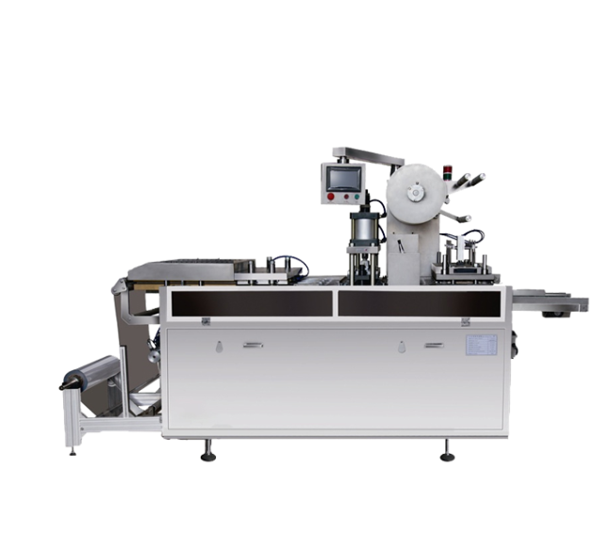
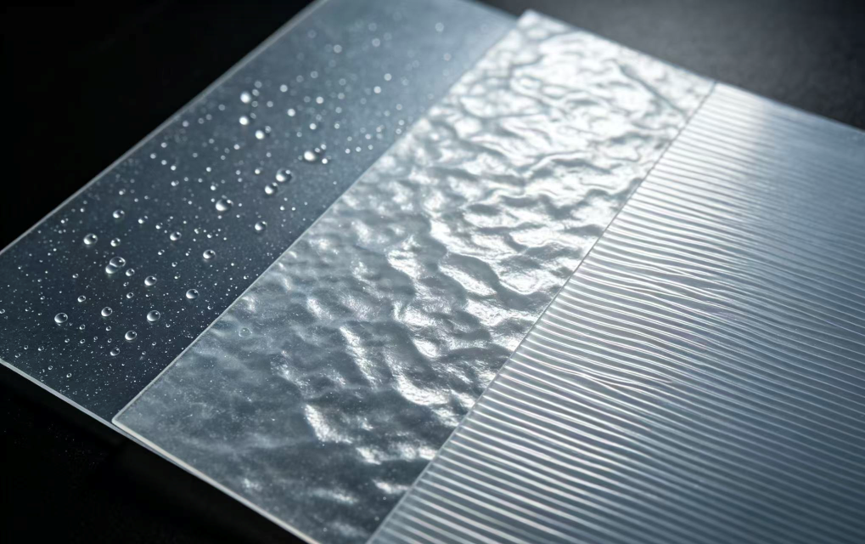
Before entering forming stations, raw ultra-thin sheets already carry inherent surface defects that amplify during thermoforming. Four frequent flaws are listed with visible characteristics:
Micro bubbles & pinholes: Tiny hollow points scattered on sheet surface, leading to product rupture under vacuum stretching
Thickness deviation: Local thin or thick bands along sheet rolling direction, causing inconsistent stretching after heating
Orange peel texture: Grainy uneven surface from incomplete resin melting, damaging finished packaging gloss
Transverse wrinkles: Recurrent fold lines generated by unstable extrusion tension
Even subtle sheet flaws will deteriorate sharply on thin packaging materials. Pinholes expand into large cracks during heating and vacuum drawing; uneven thickness creates ultra-thin fragile corners on molded products. When feeding flawed sheets into a standard plastic thermoforming machine, scrap rates may surge above 12%, wasting raw materials and disrupting continuous production schedules.
Unstable extrusion equipment parameters are the primary trigger of uneven surfaces: mismatched roll speed, blocked die outlets and uncalibrated cooling rollers all create thickness fluctuations. Meanwhile, sudden workshop air currents generate local temperature differences on fresh extruded sheets, forming permanent grainy texture defects.
Improper selection of automatic plastic thermoforming machine material also impairs sheet quality. High-melt-index resin sags excessively after heating, while damp plastic particles release steam bubbles during extrusion. Mixed recycled fragments without full filtration will form hard particles embedded inside thin sheets, which tear easily in subsequent forming procedures.
The full thin-sheet production chain follows four sequential stages that directly impact later thermoforming effects:
Raw material drying & mixing: Eliminate internal moisture to avoid bubbling
Screw extrusion & die outflow: Control uniform resin flow to stabilize sheet thickness
Calender roller shaping: Rapid even cooling to lock flat sheet surface
Winding & storage: Constant tension coiling to prevent transverse wrinkles
Targeted extruder adjustments eliminate most pre-forming sheet flaws
Fine-tune temperature and speed parameters based on sheet thickness: lower screw heating temperature for ultra-thin PET sheets, reduce winding tension to prevent tensile wrinkles, and extend drying time by 30% for moisture-sensitive PLA materials. Standardized extruder settings lay a solid foundation for smooth thin-sheet forming later.
When continuous defective sheets roll out, follow this streamlined troubleshooting flow:
First, separate material and equipment factors: swap raw resin batches to verify if flaws persist. Second, inspect key extrusion components sequentially—die, calender rollers and drying oven. Third, record adjusted temperature, speed and tension values to build a parameter archive for different thin sheet specifications. This rapid inspection logic minimizes downtime before sheets enter the automatic forming line.
Long-term optimization of extrusion lines reduces recurring thin-sheet defects:
Upgrade closed-loop tension control systems to stabilize winding pressure
Add online thickness detection sensors to alarm for abnormal gauge deviation instantly
Equip full enclosures for the cooling section to isolate external air interference
Configure automatic material drying circulation systems to cut manual feeding errors
 When sourcing extrusion equipment supporting thin packaging production, focus on three core configurations:
Multi-stage precision filtration system to block resin impurities
Independent temperature zoning on extrusion die to balance horizontal sheet thickness
Servo-controlled calender rollers with adjustable pressure for ultra-thin gauge forming
Routine maintenance prevents extrusion equipment aging from generating flawed sheets, split into periodic tasks:
Can regular thermoformers handle ultra-thin plastic packaging sheets without parameter adjustment?
It is not recommended. Ordinary machines lack precise heating and vacuum control, so you need to adjust automatic plastic thermoforming machine for thin packaging material to avoid tearing and uneven stretching.
What material pretreatment can reduce thin sheet bubbling during forming?
Extend material drying time to fully remove internal moisture, and store finished sheets in sealed low-humidity storage rooms.
What core functions should qualified thin-sheet forming equipment have?
Multi-zone independent heating, adjustable graded vacuum pressure and servo constant-tension feeding systems are essential core configurations.
Is there a reliable supplier specializing in thin-gauge forming equipment?
Yes, brands with mature precision control systems such as WYLONG optimize heating and vacuum modules exclusively for ultra-thin sheets, lowering thin-material scrap rates significantly.
Ultra-thin plastic packaging sheet processing relies on dual optimization of front-end extrusion quality and back-end automatic forming control, and the automatic plastic thermoforming machine stands as the core hardware that realizes stable thin-sheet mass production. This guide sorts four major extrusion sheet surface defects, analyzes material and equipment root causes, shares complete extruder optimization and maintenance schemes, and summarizes practical tips for running automatic thermoformer with ultra-thin plastic sheets. We also clarified key standards to screen extrusion equipment and reliable suppliers, fully explaining how automatic thermoforming processes ultra-thin plastic packaging sheet and the matching logic of dedicated thermoforming equipment for ultra-thin plastic packaging production.
From sheet extrusion parameter calibration to forming machine vacuum and heating adjustment, every operation link aims to resolve thin material’s unique stretching and temperature sensitivity problems, helping factories slash scrap waste and boost finished packaging consistency. WYLONG acts as a professional find reliable manufacturer of ultra-thin sheet automatic thermoforming machine, supplying fully customized thin-gauge forming lines with independent multi-zone heating, stepped vacuum control and servo constant-tension feeding systems for food, cosmetic and electronic packaging manufacturers. If your production line frequently encounters thin sheet tearing, wrinkling or wall thickness deviation, reach out to their technical team for exclusive equipment parameter debugging and customized forming machine solutions matching your ultra-thin packaging specifications.

Our professional team of technical experts provides services for your needs around the clock time.