×


For packaging factories running long shifts of plastic sheet production, cosmetic flaws on finished thermoformed parts remain one of the costliest production headaches. Many operators instinctively attribute uneven texture, bubbles and scratches to raw plastic sheets, yet field inspections reveal over 60% of surface imperfections stem from aging, misaligned or damaged hardware inside a Thermoforming Machine. Minor wear on vacuum pipelines, heating modules or clamping frames gradually distorts the whole plastic thermoforming process, generating consistent scrap batches that cut profit margins sharply.
This practical guide breaks down typical cosmetic flaws, teaches operators to identify machine component issues leading to thermoforming surface defects, and delivers actionable repair and maintenance strategies. Whether you own a small workshop bench unit or plan to purchase a reliable thermoforming machine for sale, the troubleshooting frameworks here will help you quickly diagnose equipment faults and stabilize product surface quality.
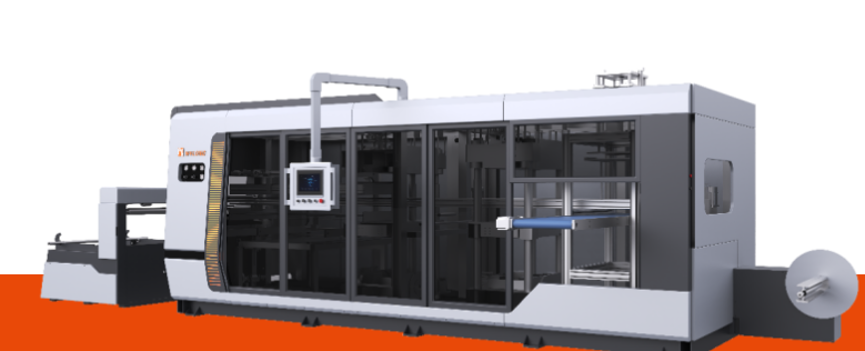
Before tracing equipment failures, factory staff need to classify recurring cosmetic defects to narrow down faulty machine parts. Four widely seen surface issues in mass production are sorted below with clear visual characteristics:
Trapped air bubbles & incomplete forming: Local raised bulges or faint indentations on product surfaces, unable to fully fit mold texture
Streaks, chill marks & orange peel: Gloss inconsistency, pale discoloration lines and grainy uneven surface finish
Wrinkles, webbing & thin wall spots: Folded plastic material between mold cavities, partial over-stretching with translucent thin areas
Linear scratches & imprint marks: Regular strip abrasions or hardware contour impressions transferred onto plastic exteriors
Systematic inspection follows the full workflow of a standard thermoformer, checking core functional modules step by step to locate worn or malfunctioning components:
Each defective module triggers a specific set of cosmetic flaws. The table below links hardware damage to visible product defects for fast diagnosis:
| Worn Machine Component | Resulting Surface Defects | Core Mechanism |
| Broken heating tubes / uncalibrated thermostats | Chill marks, webbing, uneven wall thickness | Partial cold spots on plastic sheet cause inconsistent softening during heating |
| Cracked vacuum gaskets / clogged mold vents | Air bubbles, incomplete mold replication | Vacuum leakage or blocked air exhaust fails to pull sheet tightly against mold surfaces |
| Aging clamp rubber / misaligned clamping frames | Edge wrinkles, sheet scratches | Uneven clamping tension creates local folding; hard worn frames scrape sheet surfaces |
| Rusty cooling pipelines / blocked water channels | Product warping, gloss variation | Unbalanced cooling rate leaves residual stress and uneven surface luster |
| Worn feeding pins / deformed plug assist | imprints, localized tearing | Hardened metal parts press deep marks into heated thin plastic sheets |
Targeted repair operations match each hardware fault to eliminate corresponding surface flaws efficiently:
Heating system maintenance: Replace burnt infrared tubes; recalibrate zone temperature sensors; install intact heat shielding to avoid cold edge defects. This eliminates chill marks and uneven stretching issues.
Vacuum pipeline renovation: Clear accumulated plastic debris from mold vent holes; replace cracked rubber gaskets; inspect pump hoses for air leakage to stabilize negative pressure.
Clamping frame adjustment: Swap brittle aging sealing strips; level clamp frame positions to balance sheet holding force, removing edge wrinkles and scratch marks
Cooling circuit cleaning: Flush rust and sediment inside water pipes; unclog blocked cooling channels to guarantee uniform mold temperature after forming.
Auxiliary part polishing & replacement: Smooth burrs on feeding pins and plug assist surfaces; replace deformed brackets to stop hard component imprints on finished parts.
When surface defects emerge suddenly during continuous production, follow this streamlined troubleshooting flow without halting lines for long periods:
First, confirm whether defects appear on every product; if consistent, lock the fault to fixed machine components instead of batch material issues. Second, test single functional modules separately: run heating without forming to check temperature uniformity, activate vacuum alone to measure pressure stability, and test clamping force without feeding sheets. Third, implement small-scale replacement trials—swap one suspected worn part at a time to observe if surface flaws disappear. Finally, record adjusted parameters and replaced components to build a fault archive for future reference.
For cosmetic defects already generated on molded parts, two-tier solutions exist: machine-side root correction and post-production surface repair. Machine-side adjustments are the priority to stop recurring flaws: fine-tune heating zone temperature, increase vacuum dwell time, or rebalance clamping pressure according to defect types. For finished flawed parts that cannot be recycled, light surface polishing with fine plastic sandpaper can remove minor scratches and faint chill marks; deep bubbles or severe webbing require full re-production after equipment maintenance.
Manufacturers should prioritize hardware overhaul over post-processing touch-ups, as repeated manual polishing reduces production efficiency and cannot restore original product gloss uniformity.
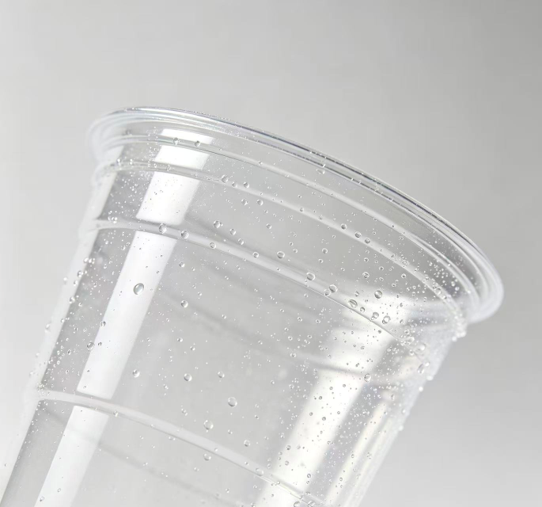
Routine preventive maintenance minimizes component wear and avoids recurring cosmetic flaws, split into daily, weekly and monthly tasks:
Sticking to this schedule extends the service life of your thermoformer and keeps the whole forming process stable for months without obvious surface defect fluctuations.
Long-term control of surface defect rates starts with picking well-built equipment at the procurement stage. When comparing a range of thermoforming machine for sale, focus on three core hardware configurations:
Multi-zone independent heating modules with precise digital temperature regulation, avoiding one-sided cold sheet issues.
Complete sealed vacuum assembly with thick anti-leak gaskets and easy-to-clean mold vent structures
Fully adjustable hydraulic clamping frames with wear-resistant soft sealing strips to prevent sheet scratching.
If small bubbles appear on all molded parts, is the plastic sheet the primary cause?
Not usually. Uniform bubbles across every product mostly come from vacuum pipeline leakage or clogged mold vents, two typical machine component faults. Clean vent holes and replace damaged gaskets first to verify.
How often should factory teams inspect heating tubes to prevent chill mark defects?
Weekly visual inspection is recommended; full calibration of temperature sensors needs to be completed every 30 production days.
Does equipment brand affect the frequency of surface defects caused by worn parts?
Yes. Brands with mature hardware design such as WYLONG adopt corrosion-resistant vacuum pipelines and durable heating components, cutting maintenance frequency and cosmetic flaw rates effectively.
Can worn indexing chains create linear scratch marks on thermoformed products?
Definitely. Stretched, unlubricated chains generate uneven sheet feeding tension, dragging plastic sheets across sharp metal edges to form regular linear scratches.
Surface defects on thermoformed goods are rarely random material accidents; most trace back to worn, misaligned or uncalibrated hardware inside a Thermoforming Machine. This guide covers the full workflow from identifying four major cosmetic flaws, matching defects to faulty machine modules, implementing targeted component repair, and establishing regular maintenance schedules to stabilize the whole plastic thermoforming process. We also outlined actionable standards for how to fix surface defects on thermoformed products from faulty machine parts, alongside practical selection guidance for high-quality thermoforming equipment during procurement.
Every inspection, repair and maintenance step revolves around eliminating mechanical abnormalities that ruin thermoforming molding surface quality, helping factories slash scrap rates and improve finished product appearance consistency. WYLONG provides full-series thermoforming equipment equipped with leak-proof vacuum systems, precise zonal heating and wear-resistant clamping assemblies, designed to reduce machine-induced surface defects for thin-gauge, heavy-gauge and twin-sheet forming lines. If your production line struggles with recurring bubbles, streaks, wrinkles or scratch flaws triggered by aging hardware, reach out to their professional technical team for customized equipment optimization and component maintenance solutions today.

Our professional team of technical experts provides services for your needs around the clock time.