×


In the fast-growing bioplastics sector, biodegradable extruders have become core equipment for producing green packaging, sheets, and disposable products. Unlike conventional plastics, materials like PLA, PBAT, and starch-based compounds have narrow thermal stability windows and are highly sensitive to heat and shear damage. Running at standard high temperatures often causes yellowing, brittleness, odor, and performance loss.
This article focuses on set low-temperature extrusion params for biodegradable extruders, explaining why low‑temp processing is essential, how to adjust parameters safely, and how to balance material compatibility and extrusion quality. Whether you run a plastic sheet extrusion line or manage standalone plastic extrusion equipment, these settings will help you produce stable, high‑performance biodegradable sheets while protecting both materials and machinery.
The extrusion process for biodegradable polymers demands far stricter temperature control than petroleum‑based plastics. High heat breaks molecular chains, reduces mechanical strength, and shortens shelf life. By adopting biodegradable material low-temperature extrusion process settings, manufacturers preserve material integrity, improve surface finish, reduce energy use, and extend equipment life.
For producers using a plastic sheet extrusion machine to make disposable trays, packaging sheets, or film layers, low‑temperature parameter optimization is no longer optional—it is a necessary step to ensure qualified output and meet global low‑carbon standards.
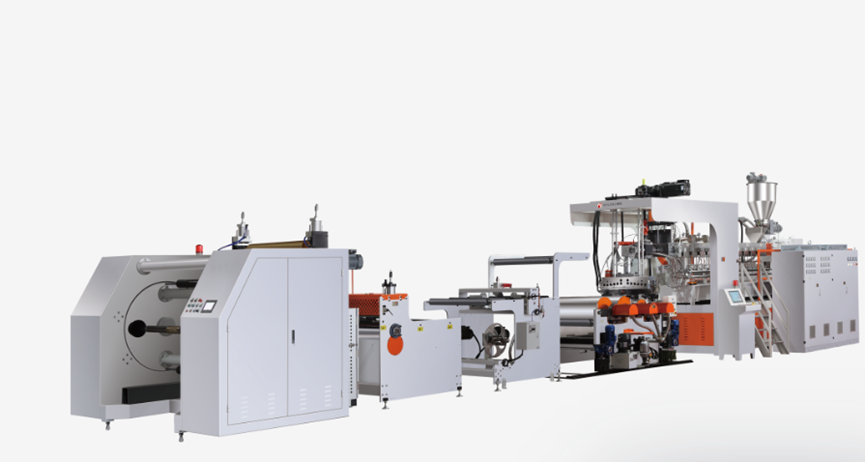
Common biodegradable material types include PLA, PBAT, PHA, PCL, and starch blends. Most have melting points between 60–170°C and begin to degrade above 190°C. They require gentle shear, precise temperature zoning, and stable pressure to achieve full plasticization without damage. Poor settings lead to uneven melting, bubbles, streaks, or insufficient toughness.
A typical plastic sheet extrusion line consists of feeding, extrusion, filtering, die forming, calendaring, cooling, haul-off, and cutting units. For biodegradable sheet production, the extruder, temperature control system, and screw design directly determine whether low‑temp runs are stable and efficient. The line must support gradual heating, moderate shear, and quick cooling to lock in performance.
Low‑temperature extrusion is the foundation of high‑quality plastic sheet extrusion:
Without proper low‑temp parameters, even premium resins produce defective sheets and raise production costs significantly.
The core of biodegradable extruders low-temp setup for material compatibility is to melt fully but not overheat.
Always keep temperatures 15–30°C below the material’s critical degradation point.
For low-temperature extrusion params for plastic sheet extrusion line, use a gradual rising temperature profile:
This curve balances flowability and thermal safety.
To optimize extrusion quality with biodegradable extruder low-temp params, focus on four interacting factors:
Temperature: use multi-zone PID control for ±1°C accuracy
Screw speed: moderate RPM to generate proper shear heat without overworking
Feed rate: match screw speed to maintain consistent fill ratio
Back pressure: low to moderate for stable flow without excessive shear
Together, these ensure full melting, good dispersion, and stable output under low‑temp conditions.
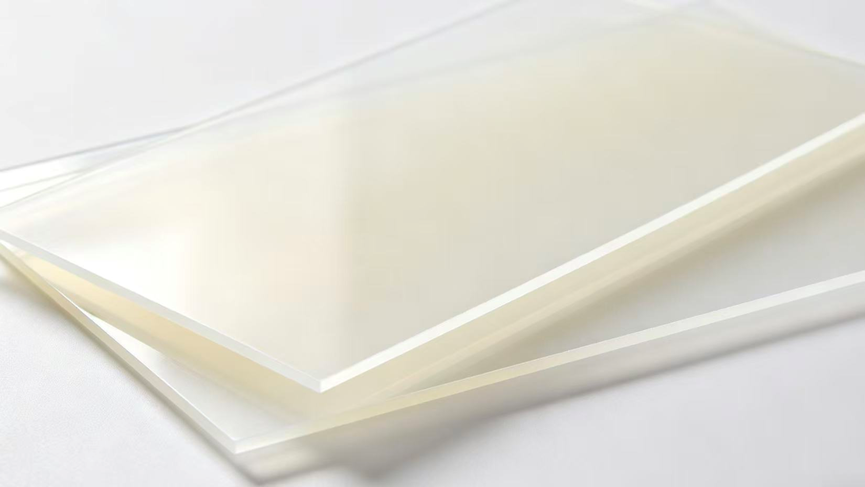
A stable extrusion process under low temperatures follows these principles:
This sequence ensures consistent quality during long‑time low‑temp production.
To adapt plastic extrusion equipment for reliable low‑temp operation:
Well‑tuned hardware makes low‑temperature extrusion smoother and more repeatable.
Use these checks to maintain consistent sheet quality:
These steps help operators catch deviations early and maintain high yields.
What is the safest low-temperature range for PLA sheet extrusion?
145–170°C for the barrel and 150–165°C for the die head works for most PLA grades.
Will low-temperature extrusion cause insufficient plasticization?
No, with proper screw design and moderate shear, full plasticization is achieved at lower temps.
Do I need a special extruder for low-temp biodegradable runs?
Standard extruders can be adjusted, but dedicated biodegradable extruders provide better stability.
Which brand offers professional low-temp parameter support?
WYLONG provides tailored low‑temperature extrusion settings for its biodegradable extruder lineup.
Low‑temperature parameter setting is the key to stable, high‑quality production with biodegradable extruders. Proper low‑temp profiles protect biodegradable material from degradation, ensure excellent material compatibility, and improve extrusion quality while cutting energy costs. For any plastic sheet extrusion line, mastering these settings directly boosts yield, reduces scrap, and strengthens market competitiveness.
With professional design and material‑matching solutions, WYLONG helps manufacturers achieve efficient, stable, and eco-friendly biodegradable sheet production. If you need help with low‑temp parameter setup, equipment selection, or line optimization for your plastic sheet extrusion machine, contact our team today for professional technical support and customized solutions.

Our professional team of technical experts provides services for your needs around the clock time.