×
×



Thermoforming is a cornerstone manufacturing process in plastic production, widely used across packaging, medical supplies, consumer goods, and industrial components. Among its most common variants are pressure forming and vacuum forming—two techniques that differ significantly in precision, cost, and application. A key question for manufacturers is: Which process delivers superior product details? Whether you’re searching for a thermoforming machine for sale, selecting thermoforming equipment for your business, or optimizing your plastic thermoforming workflow, this guide breaks down the core differences between the two processes, their impact on detail quality, and how to choose the right solution for your needs.
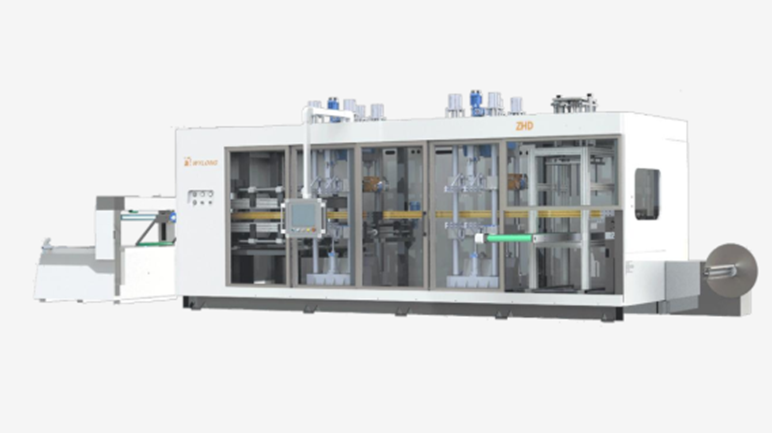
Vacuum forming is a straightforward thermoforming process ideal for simple, cost-effective production. Its working principle:
Heat a plastic sheet to a flexible, moldable state.
Use a vacuum pump to remove air beneath the sheet, creating a pressure difference that draws the plastic tightly against the mold surface.
Allow the plastic to cool and harden into the desired shape.
This process is affordable and easy to operate, making it popular among small businesses and beginners. A basic vacuum thermoforming machine has a lower upfront cost and minimal maintenance requirements.
Pressure forming is an advanced thermoforming process designed for precision. It builds on vacuum forming with an added step:
Heat the plastic sheet to a flexible state.
Apply vacuum suction from below the sheet while injecting compressed air from above.
The dual pressure forces the plastic to adhere tightly to the mold surface, capturing fine details.
This process excels at producing high-quality, detailed products and is favored for applications requiring strict dimensional accuracy.
To understand which process fits your needs, compare their core attributes in this structured table:
The core difference between the two lies in the way the plastic is shaped. Vacuum forming merely uses the vacuum suction to attach the plastic to the mold, with the pressure usually being relatively low; while pressure forming utilizes both the vacuum suction below and the compressed air above, which can generate higher pressure, allowing the plastic to adhere more closely to the mold.
In vacuum forming, a vacuum is created by removing air, without applying any active pressure from the top. In pressure forming, compressed air is actively injected onto the top of the plastic sheet, and this two-way pressure ensures that the plastic fills every part of the mold.
The mold structure for vacuum forming is simple, does not require additional air pressure channels and has a lower manufacturing cost. It is usually made of materials such as wood, plastic or aluminum. In contrast, the mold for compression molding needs to withstand higher pressure, is typically made of high-quality aluminum or steel, and must also include vent holes to ensure even pressure distribution.
In most cases, vacuum forming has higher production efficiency. Its process is simple and the equipment cycle is fast. Pressure forming, however, takes slightly longer due to more steps involved. But for large-scale production, modern pressure thermoforming machines can enhance efficiency through automated systems.
The quality of product details—from texture to edge precision—depends heavily on the forming process. Here’s a detailed breakdown:
Packaging Industry
For some simple packaging types, vacuum forming is already sufficient as it offers high cost-effectiveness and fast production speed. However, for some high-end packaging, pressure forming is more suitable. Because it can precisely replicate fine labels and ensure good sealing performance.
Medical Industry
Medical products such as the shells of medical equipment, the bodies of diagnostic tools, and sterile packaging all have strict requirements. They need clear markings, uniform wall thicknesses, and precise shapes. Pressure forming perfectly meets these demands. Many medical manufacturers use pressure thermoforming machines to produce products that meet the standards.
Consumer Goods Industry
For everyday items such as toy parts or plastic containers, if the design is simple, vacuum forming is a good choice. However, for products that require high-end texture, pressure forming can offer better details and surface effects.
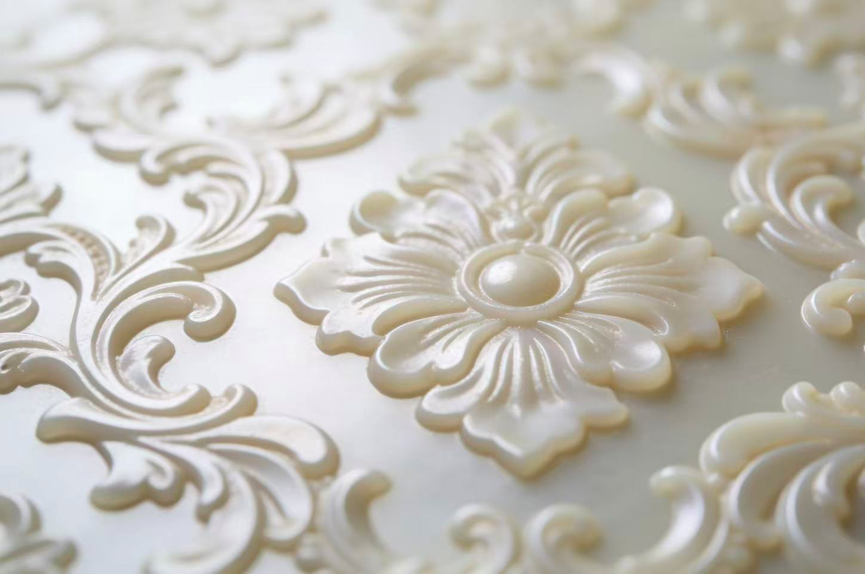
Product Requirements: Choose vacuum forming for simple, low-detail products; pressure forming for detailed, high-quality items.
Production Volume: Vacuum forming suits small batches (hundreds to thousands of units); pressure forming (with automation) is ideal for large-scale production (tens of thousands of units).
Budget & ROI: Prioritize vacuum forming if upfront cost is critical; opt for pressure forming if quality and long-term efficiency justify higher investment.
Which process is more suitable for products that require fine details?
Pressure Forming is more appropriate. Its higher pressure can more clearly reproduce minute details such as textures and logos.
How to select plastics for a thermoforming machine?
When choosing plastics, the first step is to consider the purpose of the product. For food packaging, PET or PP should be selected; for medical products, ABS or PC should be used. Additionally, it is necessary to confirm whether the plastic is suitable for your process.
Are WYLONG’s thermoforming machines suitable for small businesses?
Yes. WYLONG offers a variety of plastic thermoforming equipment, including vacuum and pressure types. Their small-scale thermoforming machines are specially designed for small-batch production, with reasonable prices and easy operation. In addition, they also provide other larger-scale automated equipment to meet your diverse needs.
Is the operation of pressure molding more difficult than vacuum molding?
The operation of pressure molding is indeed a bit more complicated, but modern equipment has simplified the process and made it easy to set the pressure and temperature. Brands like WYLONG also offer training and after-sales services, so even beginners can quickly get the hang of it.
The choice between pressure forming and vacuum forming hinges on your product’s detail requirements, production volume, and budget. Vacuum forming is the practical choice for simple, cost-effective products with low detail needs, while pressure forming delivers superior detail, uniform thickness, and sharp contours—critical for high-quality, high-value items.
When selecting thermoforming equipment, align your choice with your long-term goals: small businesses or simple products may start with a vacuum thermoforming machine, while manufacturers focused on quality and scale will benefit from a pressure thermoforming machine. WYLONG’s range of plastic thermoforming machines caters to diverse needs, with stable performance, customizable options, and comprehensive after-sales support (installation, training, maintenance).
Ready to find the right thermoforming machine for sale or optimize your existing process? Contact WYLONG today for a free quote, professional technical consultation, and tailored recommendations based on your product specifications and production goals.

Our professional team of technical experts provides services for your needs around the clock time.

 Optimized by Seraphinite Accelerator