×


In the plastic manufacturing ecosystem, a plastic sheet extruder is the lifeblood of plastic sheet production line operations, turning raw polymer pellets into the PP/PS/PET sheets that fuel downstream processes like thermoforming and packaging. Unplanned downtime or premature wear of this critical equipment doesn’t just halt production—it erodes profit margins, wastes raw materials, and delays customer orders. Proactive maintenance, far from a routine chore, is the key to unlocking long-term stability for your plastic sheet extruder machine, preserving its performance, and maximizing the ROI of your manufacturing investment. This guide breaks down actionable maintenance strategies, from daily care to cost-effective upkeep, all tailored to keep your extrusion line running smoothly for years.
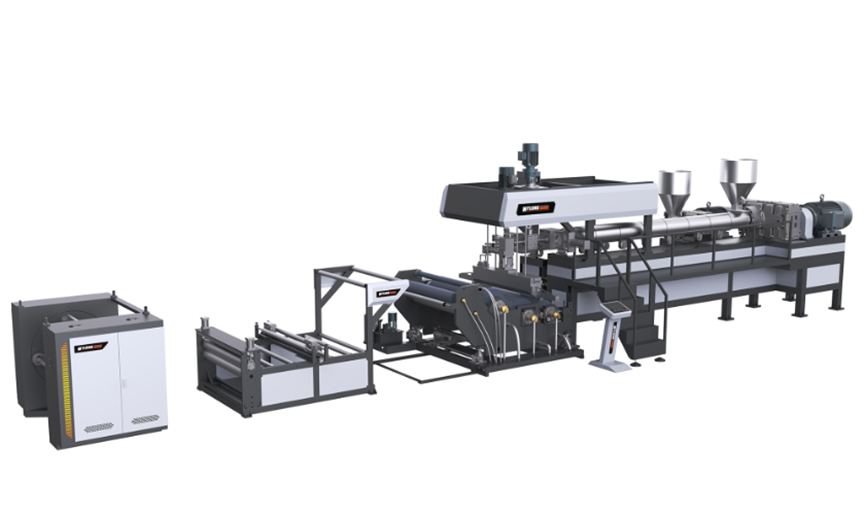
Every reliable plastic sheet extrusion process starts with consistent daily maintenance, a three-part routine that addresses the most common causes of extruder failure: cleaning, lubrication, and inspection. Neglecting these small daily tasks lets minor issues snowball into costly breakdowns, making this foundational care non-negotiable for any production team.
Residual plastic buildup is the number one enemy of a plastic sheet extruder, as burnt or hardened pellets cause uneven sheets, scratch precision components, and accelerate wear. After every production run, clear all molten plastic from the screw, barrel, and die—focusing on hard-to-reach corners where buildup clumps—using only manufacturer-recommended cleaners to avoid scratching delicate surfaces. Keep the feed hopper, filter screens, and cooling system free of dust and debris too; a clogged filter disrupts material flow, while a dirty cooling system compromises sheet quality and machine efficiency.
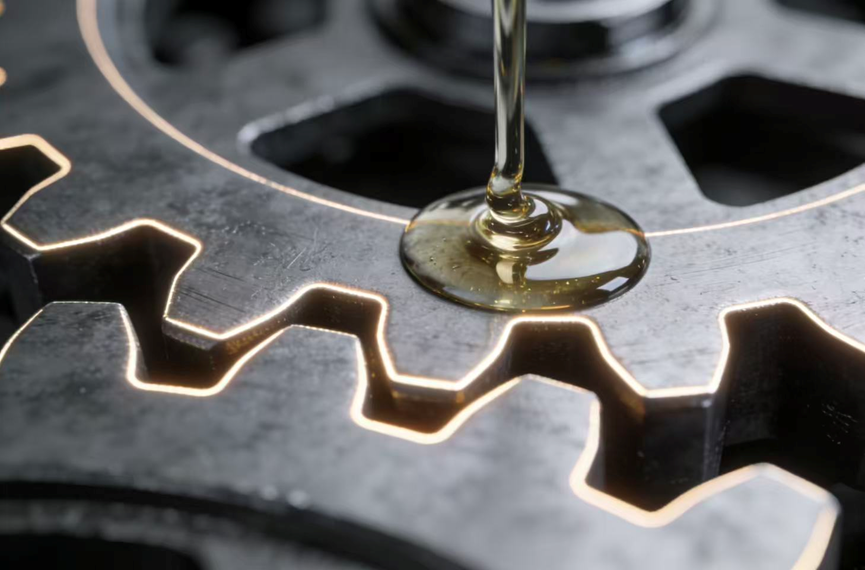
All moving parts of a sheet extrusion machine rely on consistent lubrication to reduce friction, prevent overheating, and avoid seized components. Check lubricant levels in the drive system, gearbox, and bearings daily, refilling only with the oil or grease specified by the manufacturer—incorrect lubricants cause accelerated wear and can contaminate production materials. For high-speed extruders, lubricate critical joints every 8–12 hours, and ensure no lubricant leaks into the material feed or sheet production area to maintain product purity.
A quick daily inspection catches potential issues before they impact production, a simple step that saves hours of downtime. Verify that the extruder’s temperature system is accurate—even a 5°C variation in the barrel disrupts plastic extrusion steps and leads to uneven sheet melting. Check the motor load on the control panel; sudden spikes or drops signal screw obstructions, raw material inconsistencies, or electrical issues. Finally, inspect the finished plastic sheet for thickness uniformity, surface smoothness, and color consistency—any irregularities are a direct warning sign that the machine needs immediate attention.
Daily care is essential, but a structured periodic maintenance plan aligns with your plastic sheet extruder’s operating hours to address wear that only emerges over time. Below is a clear, actionable schedule—tuned to manufacturer guidelines—that organizes periodic tasks by frequency, eliminating reactive repairs and keeping your line in peak condition.
| Maintenance Frequency | Key Tasks |
| Weekly | Deep clean screw/barrel (especially when switching materials); check V-belts/chains for wear/tightness; test emergency stop/safety interlocks; drain cooling system condensation |
| Monthly | Calibrate temperature/pressure sensors; inspect bearings for noise/overheating; clean heat exchanger/cooling fans; check screw/barrel alignment to prevent uneven wear |
| Annual | Full disassembly of screw/barrel/die for wear inspection/part replacement; gearbox overhaul and full lubricant replacement; test motor electrical connections/insulation; calibrate thickness measurement system |
Even with consistent maintenance, a plastic sheet extruder may encounter minor issues—but recognizing warning signs and acting fast minimizes downtime. Below are the most common faults in plastic sheet extrusion and simple troubleshooting steps to resolve them quickly:
Effective maintenance doesn’t require overspending—smart planning lets you preserve your plastic sheet extruder line performance without draining your budget. Start by stocking critical spare parts (e.g., filter screens, small bearings) from reliable plastic sheet extruder line suppliers; this avoids long wait times for replacements and cuts down on emergency repair costs. Invest in professional training for your operators too—well-trained staff can recognize early fault signs, perform basic maintenance, and follow proper plastic extrusion steps, reducing the need for external technicians. Most importantly, avoid over-maintenance: follow manufacturer guidelines to skip unnecessary disassembly, which risks damaging precision components and adds unplanned costs.
How often should a plastic sheet extruder be serviced?
A plastic sheet extruder requires daily foundational maintenance (cleaning, lubrication, inspection), with weekly, monthly, and annual servicing based on operating hours. For high-volume production lines (running 24/7), annual servicing may need to be split into bi-annual checks to address accelerated wear.
What maintenance tasks extend extruder screw lifespan?
Regular cleaning to remove plastic buildup (the top cause of screw wear), monthly alignment checks to prevent uneven contact with the barrel, and proper lubrication of adjacent components all extend screw lifespan. Avoiding abrasive cleaners and switching materials with a full barrel clean also protects this critical sheet extrusion machine part.
Does regular maintenance reduce energy consumption?
Yes—consistent maintenance directly lowers energy use for a plastic sheet extruder machine. A clean cooling system and heat exchanger operate more efficiently, a well-lubricated machine has less friction (reducing motor load), and accurate temperature calibration eliminates overheating (which wastes energy). Most manufacturers see a 10–15% reduction in energy costs after implementing a structured maintenance plan.
How does extruder design affect maintenance frequency?
Modern, precision-designed extruders (like those from WYLONG) feature modular components and easy-access panels that cut maintenance time and frequency, with sealed bearings and self-lubricating parts that reduce daily care needs. Older or non-modular extruders have hard-to-reach components, requiring more frequent disassembly and servicing for basic upkeep.
Maintenance for a plastic sheet extruder is not just about fixing problems—it’s about protecting the core value of your plastic sheet production line equipment, turning a necessary operational task into a strategic investment. Every cleaning, lubrication, and inspection step preserves the machine’s performance, extends its lifespan, and ensures consistent output of high-quality plastic sheets—all of which translate to lower operational costs, higher productivity, and a stronger bottom line. The true value of a well-maintained sheet extrusion machine lies in its reliability: it eliminates unplanned downtime, keeps production on schedule, and maximizes the ROI of your initial equipment investment, whether you purchased a new plastic sheet extruder for sale or operate a mature extrusion line.
In this landscape, partnering with a manufacturer that designs extruders for ease of maintenance is a game-changer, and WYLONG stands out for engineering plastic sheet extruder line equipment that balances precision performance with practical upkeep. Every plastic sheet extruder machine from the brand features modular components, easy-access maintenance points, and durable parts that reduce wear and servicing frequency—aligning with the maintenance strategies outlined here to keep your production line running smoothly for years. WYLONG’s design philosophy centers on equipment that delivers long-term value, making proactive maintenance simpler and more effective for plastic manufacturing businesses of all sizes.
Ready to optimize your plastic sheet extruder maintenance routine and unlock the full long-term value of your extrusion equipment? Unsure how to tailor the maintenance schedule to your specific plastic sheet extrusion production volume or machine model? Reach out to the experts at WYLONG today—our technical team will create a personalized maintenance plan for your plastic sheet production line, answer all your upkeep questions, and provide guidance on maximizing your equipment’s lifespan and performance. Get your custom maintenance consultation now and keep your extrusion line running at peak efficiency for years to come!

Our professional team of technical experts provides services for your needs around the clock time.