×


Outdoor products—whether storage containers, furniture panels, or protective shields—must withstand harsh environments without losing their appearance or performance. Choosing the right thermoforming machine and weather-resistant plastics is critical to ensuring long-term durability. With the growing demand for strong, lightweight, and cost-effective outdoor plastic products, thermoforming has become one of the most efficient and versatile manufacturing methods.
This guide walks you through the best weather-resistant plastics for outdoor thermoforming, the challenges they face, and how to select both the right material and the right plastic thermoforming machine for your production line.
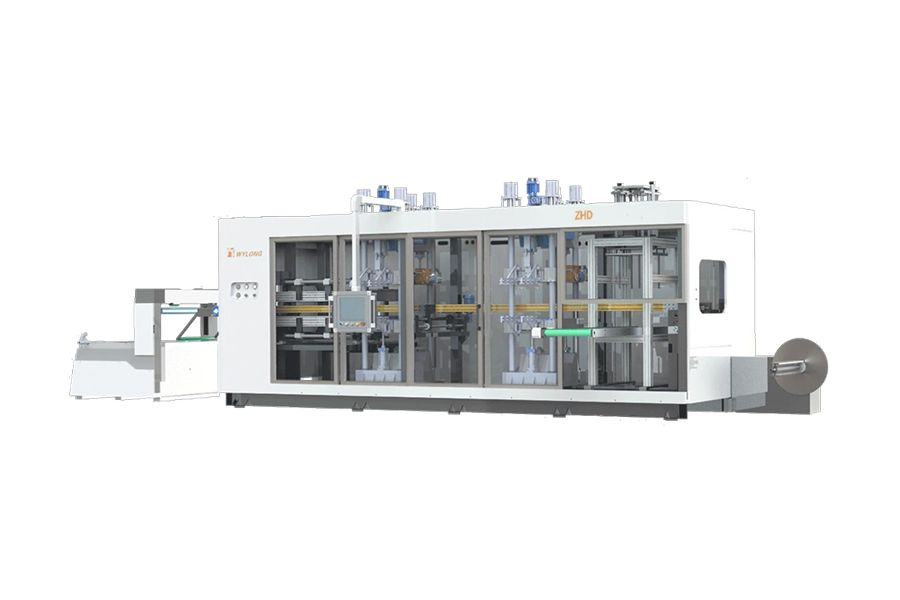
Weather-resistant plastics are materials specifically designed or formulated to endure long-term outdoor exposure. These plastics maintain structural integrity, color stability, and toughness even in challenging climates.
Key traits of weather-resistant thermoforming plastics include:
High UV resistance to prevent fading or brittleness
Moisture and humidity tolerance to avoid swelling and degradation
Thermal stability across extreme temperature shifts
Chemical resistance against pollutants, acids, and outdoor contaminants
Impact strength for windy or high-contact environments
Common materials used with a thermoformer for outdoor applications include:
Polycarbonate (PC)
Acrylic (PMMA)
Polypropylene (PP)
High-Density Polyethylene (HDPE)
ABS (for shaded or indirect sunlight applications)
When paired with the right thermoforming equipment, these plastics produce strong, reliable, and visually appealing outdoor products.
Before choosing an outdoor plastic, it’s essential to understand the environmental forces that degrade materials over time.
The biggest threat to outdoor plastics—UV exposure causes color fading, loss of strength, and surface cracking.
Hot days and cold nights make plastics expand and contract. Poorly matched materials may warp, deform, or crack.
Rain, dew, or persistent moisture can cause microbial growth, swelling, and chemical breakdown.
Outdoor products must withstand wind pressure, falling branches, debris, or repeated contact.
Pollutants, acid rain, cleaning chemicals, and environmental contaminants can degrade plastics.
By understanding these elements, you can better align your material selection with the right thermoforming machine settings and capabilities.
| Plastic Type | UV Resistance | Impact Strength | Moisture Resistance | Temperature Range (°C) | Cost Level |
|---|---|---|---|---|---|
| Polycarbonate (PC) | Excellent | High | Good | -40 to 120 | High |
| Acrylic (PMMA) | Very Good | Moderate | Moderate | -40 to 80 | Medium |
| Polypropylene (PP) | Good | Moderate | Excellent | -20 to 100 | Low |
| HDPE | Good | High | Excellent | -50 to 90 | Low |
| ABS | Moderate | High | Moderate | -20 to 80 | Medium |
Each material has its strengths—your selection depends on product requirements, durability expectations, and machine capability.
A professional, engineering-based approach helps avoid costly mistakes and ensures consistent production results.
Identify UV exposure levels, humidity, temperature fluctuations, and chemical risks in the product’s end-use environment.
Compare plastic performance metrics (UV resistance, flexibility, clarity, impact strength) to your product’s functional requirements.
Perform accelerated weathering, tensile strength tests, impact tests, and dimensional stability tests before mass production.
Ensure the selected plastic conforms to your thermoforming machine capabilities—heat distribution, forming speed, sheet thickness, and cooling performance.
Require excellent impact strength and moisture resistance
HDPE and PP are popular choices
A plastic thermoforming machine enables large-format, lightweight structures
Ideal for patio boxes, tool containers, and waterproof storage units
Must retain aesthetics and color under strong sunlight
Thermoforming supports ergonomic shapes and smooth finishes
PC and PMMA offer excellent clarity and UV protection
Well-suited for chairs, table panels, recliner backs, and décor elements
Need high impact resistance and optical clarity
PC is the top choice for shelters, barriers, and visibility shields
Thermoforming enables complex curved shapes
Ideal for bus shelters, park signage covers, and machinery protection shields
| Factor | Considerations | Recommended Plastics | Required Machine Features |
|---|---|---|---|
| UV Exposure | High sunlight areas | PC, Acrylic | Multi-zone heating control |
| Impact Resistance | Windy or high-contact environments | PC, HDPE | Strong forming pressure |
| Moisture Resistance | Coastal or rainy regions | PP, HDPE | Advanced cooling systems |
| Production Volume | Large runs vs small batches | Depends on product needs | Automation & quick mold change |
| Product Complexity | Simple or intricate shapes | All listed materials | Flexible mold compatibility |
Selecting the right thermoforming machine for sale is just as important as choosing the right plastic.
Key factors to consider:
Precise temperature zoning to accommodate diverse plastic types
Support for various sheet thicknesses for outdoor structural products
High forming pressure for impact-resistant plastics like PC
Automation features (stacking, cutting, feeding) for high-volume outdoor items
Fast mold changeover for multi-product production lines
Energy-efficient systems to reduce long-term operational costs
Reliable after-sales support to ensure continuous performance
A high-quality thermoforming machine not only improves product stability but also lowers production costs and boosts efficiency.
Weather-resistant plastics contain UV stabilizers, antioxidants, and molecular structures that protect them from sunlight, moisture, and temperature extremes.
Not all. Only plastics with proper heat tolerance, chemical resistance, and outdoor durability—such as PC, PP, HDPE, and PMMA—are suitable for outdoor thermoforming.
Manufacturers perform accelerated UV testing, humidity exposure, impact testing, and mechanical stress tests on prototypes produced with a thermoforming machine.
Choosing the right outdoor plastic and the right thermoforming machine is essential for producing durable, weather-resistant products that stand the test of time. Materials like PC, PP, HDPE, and acrylic provide excellent performance in outdoor environments, and when processed using advanced thermoforming equipment, they deliver exceptional strength, stability, and long-term value.
If you’re ready to elevate your outdoor product manufacturing to the next level, contact WYLONG for expert guidance, customized machine recommendations, and professional technical support. Your next high-performance outdoor product starts here.

Our professional team of technical experts provides services for your needs around the clock time.