×
×



Growing demand for eco-friendly packaging and industrial materials has pushed biodegradable extruders to become mainstream plastic extrusion equipment across the manufacturing sector. Unlike traditional plastics, most biodegradable material features strong hygroscopicity, meaning it easily absorbs moisture from the surrounding air. Even a small amount of residual water can disrupt the regular extrusion process, triggering bubbles, material degradation and unexpected downtime. Following professional material drying standards for biodegradable extruder stable operation is therefore essential. It not only keeps production running smoothly on the plastic sheet extrusion line, but also maintains the inherent performance of raw materials throughout plastic sheet extrusion.
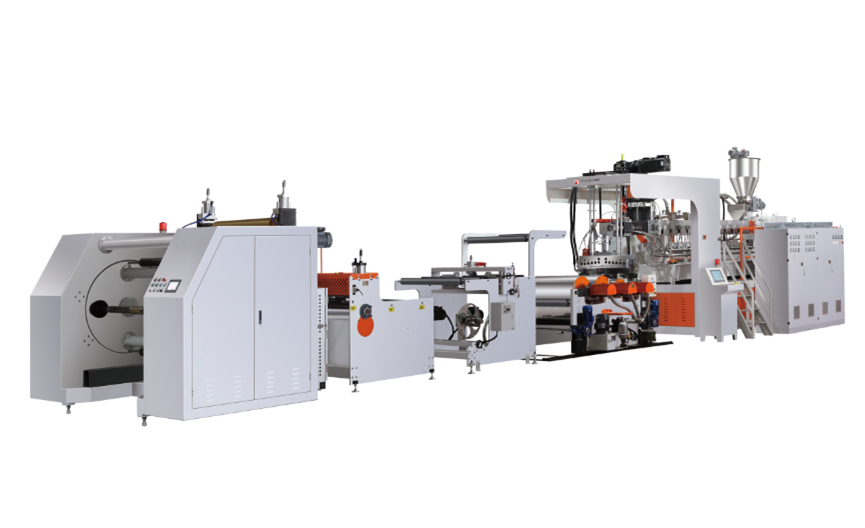
Moisture inside raw materials will turn into high-temperature steam during melting, which creates abnormal pressure inside the barrel and die head. This irregular pressure fluctuation increases the operating load of the unit and may lead to frequent alarms or sudden stops. Reliable pre-drying removes excess water in advance, letting the whole set of equipment operate under steady pressure and torque. Well-dried materials also reduce wear on internal components, extending the service life of the plastic sheet extrusion machine and cutting long-term maintenance costs.
Most biodegradable resins such as PLA, PBAT and PBS are sensitive to moisture and heat. When exposed to water at high processing temperatures, hydrolysis occurs inside the melt, breaking original polymer chains. The finished products will turn brittle, with reduced tensile strength and poor durability. Standard drying procedures lock in the molecular structure of raw materials. It effectively preserves the physical characteristics of biodegradable material, making sure end products meet compostable standards and usage requirements.
To achieve ideal drying results, manufacturers need to follow unified control indicators, which can be referred to in the table below:
| Parameter | Standard Requirement | Remarks |
| Final moisture content | ≤ 0.05% | Core standard for most biodegradable resins |
| Drying temperature | 70℃ – 90℃ | Adjust according to specific material types |
| Drying duration | 3 – 8 hours | Extend time properly in humid working environments |
| Ambient humidity | Below 50% RH | Prevent materials from reabsorbing moisture |
All parameters must be strictly implemented, as any failure to meet the standards will lay hidden troubles for the subsequent extrusion process.
Apart from numerical standards, uniform drying is another basic rule. Material piles should not be too thick inside dryers, otherwise pellets in the middle and bottom layers cannot fully contact dry hot air, resulting in uneven moisture distribution. Operators need to spread materials evenly and turn over materials at regular intervals. Uniform dryness guarantees consistent melt fluidity, which further optimizes material compatibility during mixing and extrusion.
For new operators, standardized workflows can avoid operational errors. This set of practical steps explains how to dry biodegradable materials for extruder stable running:
Inspect raw materials and remove impurities and agglomerated pellets before feeding into the dryer.
Set temperature and timing based on material types, and preheat the drying equipment for 10 to 15 minutes.
Load materials in batches, control the stacking thickness, and seal the dryer tightly.
Complete moisture testing after drying; only qualified materials can be delivered to the production line.
Store dried materials in sealed containers to isolate humid air before use.
Different biodegradable resins match targeted drying solutions. PLA requires drying at 80℃ for 4 to 6 hours to control moisture within the standard range. PBAT adapts to 70℃ to 80℃ for 3 to 5 hours, while PHA series materials need a longer drying cycle from 4 to 8 hours. For blended biodegradable materials, refer to the strictest standard among all components. Choosing a matched drying method can balance efficiency and effect, laying a solid foundation for continuous production.
Unqualified drying is the main cause of common product defects. Residual moisture forms tiny bubbles inside melted materials, leaving pits, holes and surface streaks on finished sheets. Severe hydrolysis also makes products prone to cracking and warping. Following biodegradable extruder material drying requirements for extrusion quality eliminates these issues fundamentally. Pure and dry raw materials deliver smooth surface, stable size and reliable mechanical performance, greatly lifting overall extrusion quality.
Defective products will force the sheet extrusion line to slow down or halt for troubleshooting, disrupting the whole production schedule. Stable drying keeps material fluidity consistent, so the haul-off system and forming unit can operate at a fixed speed. The entire production line runs in a rhythmic state, reducing unplanned shutdowns and improving daily output capacity.
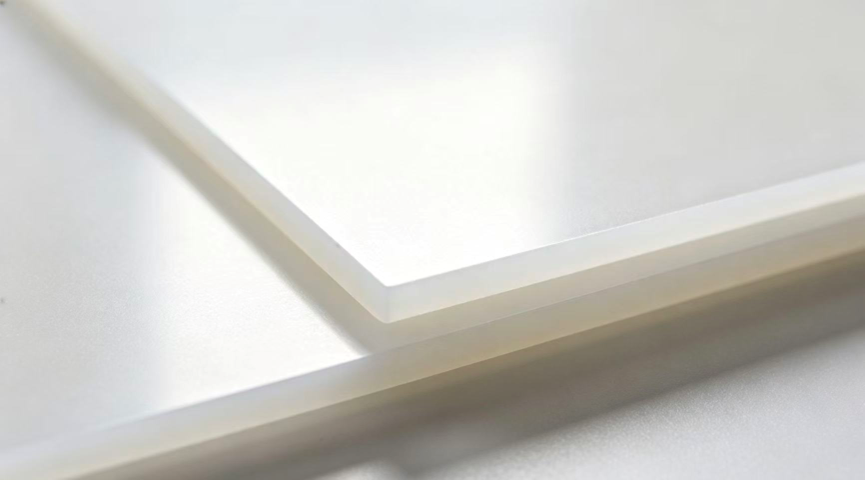
The effect of material drying on biodegradable extrusion process stability is reflected in daily fault reduction. Fully dried materials will not produce steam inside the equipment, so pressure and temperature stay within the normal range. It cuts down failures like die blockage, melt overflow and sensor abnormal readings. The frequency of on-site maintenance and parameter adjustment drops obviously, making the production process simpler and more controllable.
In mixed modification production, uneven moisture will change the melting speed of different components, leading to insufficient mixing. After thorough drying, all raw materials maintain stable fluidity, which promotes full fusion between different resins and additives. Excellent material compatibility makes the internal structure of finished products more uniform, and also makes the operation of follow-up auxiliary equipment more coordinated.
Large-scale production puts forward higher demands on drying efficiency. As part of optimal drying methods for biodegradable materials in extrusion line, enterprises can adopt dehumidifying dryers with hot air circulation. This kind of equipment achieves batch processing and ensures uniform heating. Equipping online moisture detectors also helps monitor material status in real time, realizing linkage control between drying and feeding to meet high-volume production needs.
Small and medium-sized manufacturers can adopt practical low-cost measures. Keep the drying workshop well ventilated and moisture-proof to reduce the risk of materials absorbing water. After each batch of drying is finished, clean the dryer in time to avoid residual old materials contaminating new raw materials. Formulate simple operation cards for employees to follow unified steps. These easy-to-implement skills can stabilize drying quality without adding too much investment.
What will happen if biodegradable materials are not fully dried before extrusion?
Excess moisture will cause bubbles and surface defects on finished sheets, and trigger material hydrolysis to reduce product strength. It will also cause pressure fluctuations and frequent faults on the production line.
How to judge whether the drying effect reaches the standard?
Use a professional moisture tester for detection; the moisture content should be lower than 0.05%. You can also observe the melt state: smooth melt without bubbling means qualified drying.
Can dried materials be stored for a long time before use?
No. Biodegradable materials absorb moisture quickly. It is recommended to use them within 15 minutes after taking out from the dryer, or store them in fully sealed containers.
Does WYLONG provide supporting guidance on material drying for biodegradable production?
Yes. WYLONG has rich practical experience in supporting biodegradable extruders, and can offer targeted drying parameter suggestions and operational guidance for different biodegradable materials.
Material drying is an indispensable pre-processing link in biodegradable plastic production, and its standardization directly decides the running state of extrusion process, product performance and line efficiency. From clarifying core drying parameters and classifying drying methods, to optimizing on-site operation and daily management, every link of material drying standards for biodegradable extruder stable operation serves one goal: to maintain long-term stable production of the plastic sheet extrusion line. Scientific drying not only reduces defective products and equipment faults, but also maximizes the advantages of eco-friendly raw materials. WYLONG provides complete equipment and technical solutions for biodegradable material extrusion. If you have questions about equipment selection, drying parameter setting or production process debugging, please feel free to contact our professional team for customized consulting services.

Our professional team of technical experts provides services for your needs around the clock time.

 Optimized by Seraphinite Accelerator