×
×


In today’s high-demand manufacturing landscape, the multi station thermoforming machine stands as a cornerstone of efficient plastic production, turning raw thermoplastic sheets into precision components at scale. For manufacturers across packaging, automotive, and medical industries, maximizing output from this equipment isn’t just about speed—it’s about engineering design features that streamline every stage of the thermoforming process, eliminate bottlenecks, and maintain consistent quality even at peak production. This guide breaks down the core design elements that define high-output multi station thermoforming machine models, from station configuration to automation, and how these features translate to tangible gains in productivity for your operation.
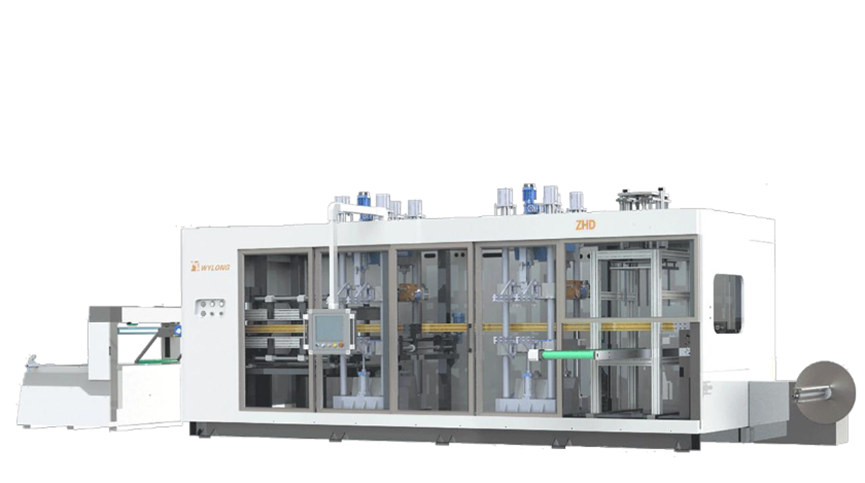
At its core, multi station thermoforming leverages sequential, simultaneous processing across dedicated workstations—heating, forming, cooling, trimming—to cut cycle times far below single-station Thermoforming Machine capabilities. Output in these systems is driven by three non-negotiable pillars: seamless station-to-station transfer, consistent process control across all stages, and minimal idle time. Unlike a basic thermoformer, which pauses production to complete one step at a time, a well-designed multi station system keeps every workstation active, creating a continuous production loop that turns material into finished parts with little to no downtime. Every design choice, from heater placement to transfer mechanism speed, directly impacts how well these pillars work together to drive output.
The layout of workstations is the foundation of a high-output multi station thermoforming machine, and optimal design centers on modular, scalable configuration tailored to production needs:
This configuration ensures that no workstation becomes a bottleneck, with each stage operating at a pace that complements the entire production line.
Heating is the most critical pre-forming stage, and inefficient heating design is a top cause of slow cycle times and inconsistent part quality. High-output multi station thermoforming machine models feature heating systems engineered for speed and uniformity:
Consistent, fast heating ensures sheets reach the ideal pliability for forming, so the next station never waits for material to be ready.
The forming station is where the plastic sheet takes shape, and its design directly impacts both output and part precision. Key optimizations for high-speed production include:
These features ensure the forming station keeps pace with upstream heating and downstream cooling, maintaining the continuous production flow critical for high output.
Smooth, fast material transfer between stations is non-negotiable for maximizing output, and top-tier multi station thermoforming machine models feature material handling design that eliminates jams and idle time:
Every transfer mechanism is engineered to match the speed of the slowest workstation, ensuring the entire line operates at peak efficiency.
Automation is the backbone of high-output multi station thermoforming, and the control system acts as the brain that unifies every workstation’s operation. Critical design features include:
This level of automation reduces human error, minimizes unplanned downtime, and ensures the multi station thermoforming machine operates at optimal capacity 24/7 for high-volume runs.
Cooling and trimming are often overlooked bottlenecks, but their design is critical for keeping production moving. High-output design features here include:
By accelerating these final stages, the system turns formed sheets into finished parts faster, increasing overall hourly output.
Energy-efficient design just about reducing costs—it directly boosts output by minimizing downtime from overheating or system strain. Key features include:
Efficient systems run cooler, last longer, and require less downtime—translating to more production hours and higher total output over time.
No two manufacturing operations are the same, and the best multi station thermoforming machine models offer application-specific customization to maximize output for your unique needs:
A multi station thermoforming machine manufacturer that offers this level of customization ensures your equipment is built for your specific production goals, not a one-size-fits-all approach.
Maximizing output in a multi station thermoforming machine is the result of intentional, integrated design across every core component—from station layout and heating systems to automation and material handling. No single feature drives high productivity on its own; instead, it’s the synergy of these design elements that eliminates bottlenecks, keeps every workstation active, and maintains consistent quality at peak production speeds. Whether you’re producing high-volume thermoforming packaging or precision automotive components, the right design features turn your plastic thermoforming machine into a workhorse that delivers measurable gains in hourly output, reduces costs, and scales with your business’s growth.
For manufacturers seeking a high-output thermoforming machine—whether exploring thermoforming machine for sale options or evaluating machine price and value—WYLONG is a trusted partner in engineered thermoforming solutions. It’s multi station thermoforming machine models integrate all the core design features outlined here, with modular scalability, application-specific customization, and industry-leading automation that’s tailored to your production needs. Every system is built for maximum output without sacrificing quality, with the durability and efficiency to power your manufacturing operation for years to come. If you’re ready to design a thermoforming line that delivers peak productivity, contact them today to consult with our experts and build a solution that aligns with your output and quality goals.
What is the most important design feature for maximizing output in a multi station thermoforming machine?
Seamless, continuous material transfer between dedicated workstations is the most critical feature, as it eliminates idle time and keeps every stage of production operating simultaneously.
Can a multi station thermoforming machine be customized for small-batch, custom production?
Yes—linear station layouts with modular add-ons and quick-change mold plates allow for flexible customization, making the system suitable for both high-volume runs and small-batch custom production.
How does automation impact output in thermoforming equipment?
Automation reduces human error, cuts changeover time between products, and enables 24/7 unattended operation—all of which directly increase total hourly output and minimize unplanned downtime.
What factors influence thermoforming machine price for high-output multi station models?
Price is driven by station count, automation level, material handling features, and customization—with more advanced servo systems, IoT connectivity, and application-specific design leading to higher upfront investment, with faster ROI for high-volume operations.
Does WYLONG offer support for optimizing existing multi station thermoforming machine systems for higher output?
Yes—WYLONG provides comprehensive engineering support, including process audits and equipment retrofits, to optimize existing thermoforming equipment and unlock additional output gains without full machine replacement.

Our professional team of technical experts provides services for your needs around the clock time.

 Optimized by Seraphinite Accelerator