×
×



If you’re involved in the plastic manufacturing industry, you’re likely familiar with twin screw extruders—versatile workhorses that power everything from food packaging and building materials to automotive parts. What sets the twin screw extrusion machine apart is its unmatched efficiency in handling complex materials and processes. In this guide, we’ll break down its core twin screw extruder components, explain the twin screw extruder working principle, compare it to single-screw models, and share insights on selection, maintenance, and applications. Whether you’re optimizing a plastic extrusion process or choosing equipment for your sheet extrusion line, this article will help you master the essentials of this critical machinery.
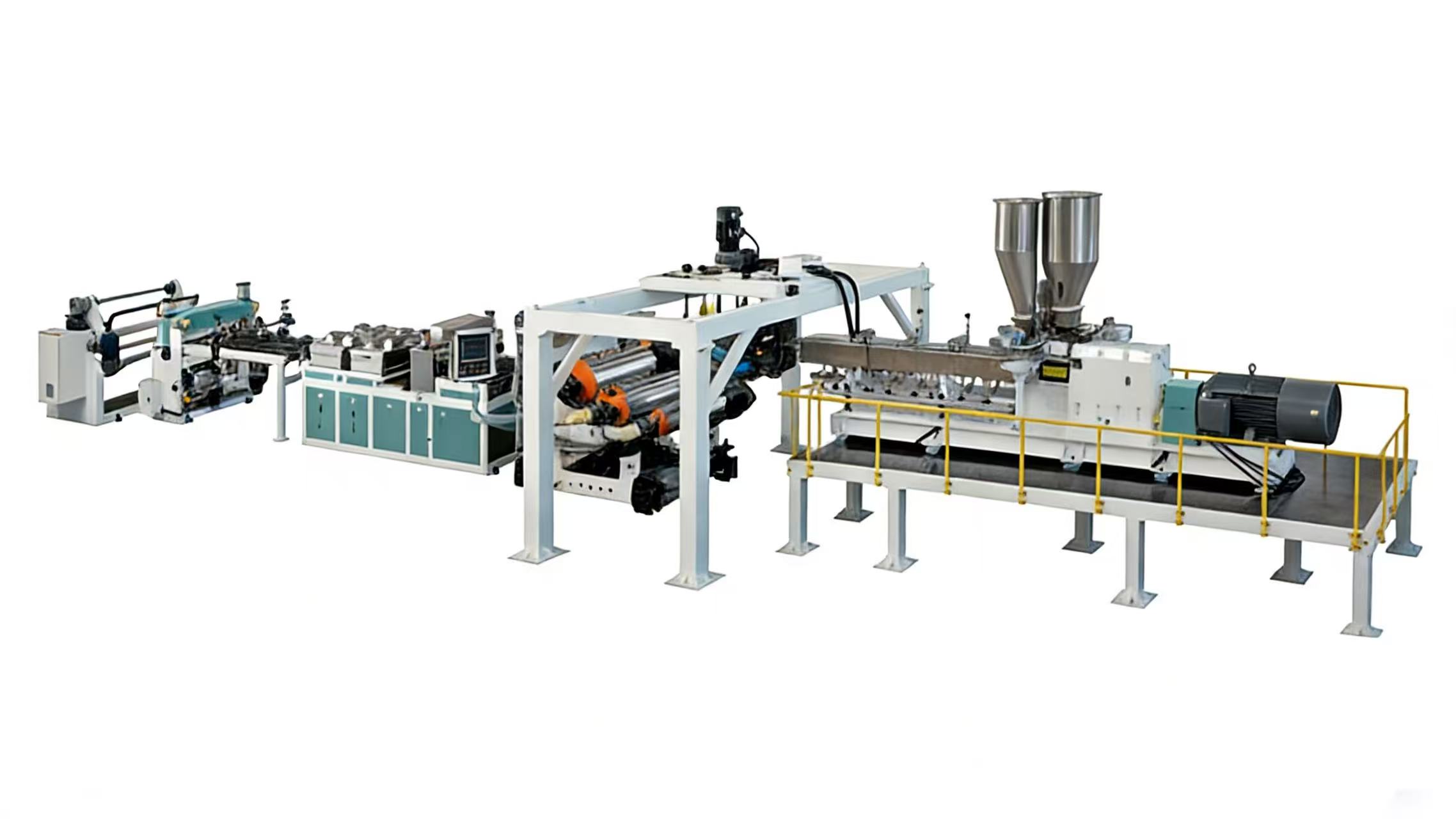
A twin screw extruder is a high-performance plastic extrusion machine that uses two intermeshing screws within a heated barrel to melt, mix, and convey plastic materials. Unlike single-screw models, it excels at handling diverse materials—from rigid plastics and flexible films to composite materials with additives or fillers.
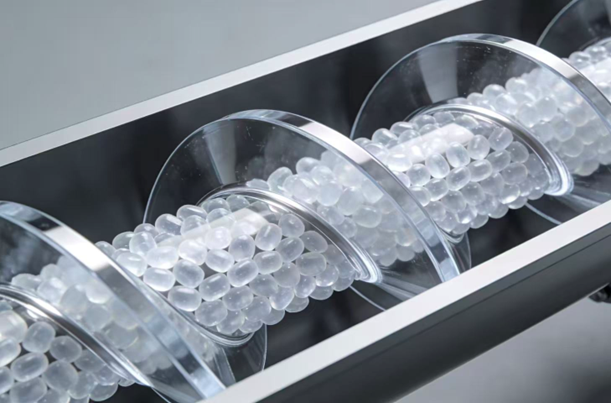
The process relies on the screws’ rotation (either co-rotating or counter-rotating) to generate strong mixing and shearing forces. This ensures uniform material treatment, making the machine ideal for complex applications that demand consistency.
Choosing between a twin screw extruder and a single-screw model depends on your plastic extrusion process needs. Here’s a clear comparison:
| Feature | Twin Screw Extruder | Single-Screw Extruder |
| Mixing Performance | Superior uniform mixing, ideal for additives, colors, or fillers | Limited mixing capability, best for basic melting |
| Material Versatility | Handles rigid plastics, composites, recycled materials, and viscous substances | Suited for simple, low-complexity materials |
| Process Control | Precise temperature and pressure regulation, supports complex workflows | Basic control, better for straightforward extrusion |
| Application Scope | Plastic sheet extrusion,plastic film extrusion, color masterbatch production, pipe/profile extrusion | Simple film or sheet production, basic melting tasks |
The twin screw extrusion process outperforms single-screw alternatives in scenarios where consistency and material complexity are non-negotiable.
Understanding twin screw extruder components is critical to optimizing your machine’s performance. Each part plays a vital role in the process:
The screws are the heart of the machine, dictating material mixing and conveyance. Two common designs dominate:
Screw design directly impacts throughput, mixing uniformity, and compatibility with different materials.
The barrel is a heated cylindrical chamber that houses the screws, divided into multiple independent sections. Each section features:
Precise temperature control across barrel sections is essential for smooth plastic extrusion process outcomes.
The gearbox transmits motor power to the screws, handling high torque (especially in large-scale machines). Key functions:
A robust gearbox and drive system minimize downtime and ensure stable performance in high-demand sheet extrusion line operations.
The feeding system transports raw materials into the barrel, with two primary types:
In a sheet extrusion line, a well-designed feeding system prevents material buildup and ensures continuous, uniform input.
During melting, plastics often release gases (moisture, volatile compounds) that cause defects (bubbles, surface irregularities). The vacuum degassing system:
This component is non-negotiable for applications requiring flawless finished products.
Twin screw extruders are versatile workhorses across plastic manufacturing, powering key processes like:
To ensure the smooth operation of your twin-screw extruder, regular maintenance is crucial.
The most important aspect is to conduct regular inspections of the screws and the barrel lining. Over time, these components will wear out. This becomes particularly evident after handling abrasive materials. By replacing the worn-out parts, the mixing efficiency and product quality can be maintained.
Thoroughly clean the machine between material changes. This can prevent cross-contamination. Using the appropriate cleaner and following the manufacturer’s guidelines for cleaning will result in higher quality products being produced.
Selecting a twin screw extrusion machine that aligns with your needs requires evaluating key factors. Ask these questions to narrow down options:
Material type: Will you process rigid plastics, flexible films, composites, or recycled materials?
Production volume: What is your required hourly throughput (kg/hour)?
Process complexity: Do you need precise mixing (e.g., additives/fillers) or defect-free surfaces?
Line compatibility: Will the machine integrate with your existing sheet extrusion line or downstream equipment (e.g., cutters, winders)?
Budget & total cost of ownership: Consider initial price, maintenance costs, and energy efficiency.
For example, if you’re running a high-volume plastic sheet extrusion operation with additives, prioritize a co-rotating twin screw extruder with a gravimetric feeding system and advanced temperature control.
What are the differences between a twin-screw extruder and a single-screw machine?
The twin-screw machine offers better mixing and control. The single-screw machine is simpler and more suitable for basic melting.
How can I maintain my twin-screw extruder to extend its service life?
Regularly inspect the worn parts, clean the machine between runs, and follow the manufacturer’s maintenance plan. For WYLONG machines, their support team can provide detailed guidelines.
Can twin-screw extruders handle recycled plastics?
Yes! Many models of twin screw extruders are designed to handle recycled materials.
Why choosing WYLONG can meet my requirements for the twin-screw extruder?
WYLONG offers high-quality twin screw extruders with durable components, precise control, and excellent after-sales support, which can ensure its reliable performance.
A twin screw extruder is a cornerstone of modern plastic manufacturing, with its specialized twin screw extruder components working in harmony to deliver efficiency, versatility, and consistency. Whether you’re producing sheets via plastic sheet extrusion, films through plastic film extrusion, or custom composites, the twin screw extrusion process outperforms single-screw alternatives in handling complex materials and ensuring uniform quality.
By understanding its key components, following a rigorous maintenance routine, and selecting a machine tailored to your plastic extrusion process needs, you can boost productivity, reduce defects, and maximize return on investment. For businesses seeking a reliable machine—whether for a small-scale operation or a high-volume sheet extrusion line—partnering with a manufacturer that prioritizes precision, durability, and support is essential.
Ready to find the perfect twin screw extruder for your needs? Contact WYLONG today for a free quote, customized equipment recommendations, and expert technical consultation to optimize your plastic manufacturing workflow.

Our professional team of technical experts provides services for your needs around the clock time.

 Optimized by Seraphinite Accelerator