×
×



In plastic packaging and component manufacturing, Thermoforming Machine performance hinges on one often‑overlooked detail: mold thickness. Getting this right balances cost efficiency, part quality, and production stability. Whether you run a high‑volume line or source thermoforming machine for sale units, mastering choose thermoforming machine mold thickness for plastic sheets will directly lift your yield and bottom line.
Thermoforming turns heated plastic sheets into usable parts via vacuum, pressure, and tooling. It powers blister packs, trays, medical enclosures, and structural components across retail, medical, automotive, and electronics. A thermoformer only delivers consistent results when mold thickness matches sheet gauge, material type, and part geometry.
This guide breaks down match plastic thermoforming machine mold thickness to sheet types and select mold thickness for thermoforming diverse plastic materials, with actionable tips for daily production.
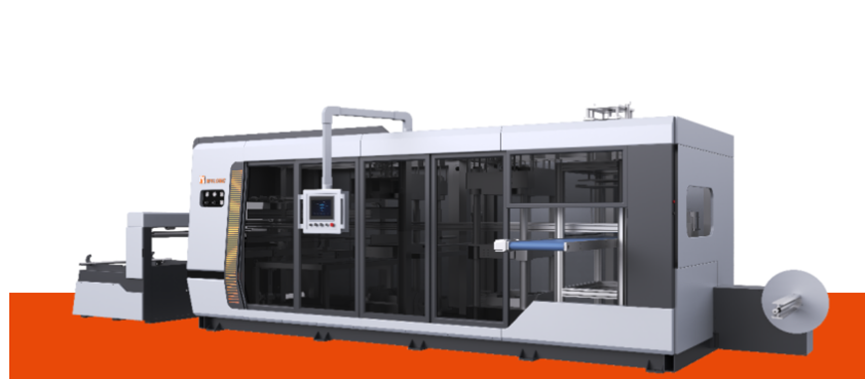
A Thermoforming Machine heats plastic sheets to a pliable state, forms them against a mold, cools, and trims parts. Key jobs include precise temperature control, uniform sheet feeding, stable clamping, and reliable forming pressure. The mold acts as the “heart” that defines shape, wall thickness, and surface finish.
Thermoforming molding relies on tension and material flow. As the sheet stretches into cavities, thickness naturally thins—especially in deep draws and corners. Mold thickness must compensate for this thinning to avoid weak spots, warping, or failed forming.
The plastic thermoforming process follows four steps:
Sheet heating to forming temperature
Clamping and positioning over the mold
Vacuum/pressure forming onto tool contours
Cooling, demolding, and trimming
Each step interacts with mold thickness to determine final part quality.
match plastic thermoforming machine mold thickness to sheet types starts with material behavior:
select mold thickness for thermoforming diverse plastic materials means aligning with shrinkage, melt strength, and heat sensitivity:
Thin gauge = 0.010″–0.060″ (10–60 mil), common in blisters, clamshells, retail trays.
Thick gauge = above 0.060″, used in structural housings, medical trays, industrial components.
A quick reference:
| Sheet Gauge | Typical Use | Recommended Mold Thickness |
| 0.010–0.030″ | Light packaging | 8–12 mm |
| 0.030–0.060″ | Standard trays | 12–20 mm |
| >0.060″ | Structural parts | 20–40 mm |
plastic thermoforming process mold thickness selection tips for daily use:
Calculate draw ratio: mold surface area ÷ sheet footprint; higher ratio = thicker mold
Use plug assist for deep draws to reduce thinning and lower mold thickness requirements
Add draft angles (1–5°) to ease demolding and preserve wall consistency
Balance mold thickness with cooling channels to cut cycle time without warping
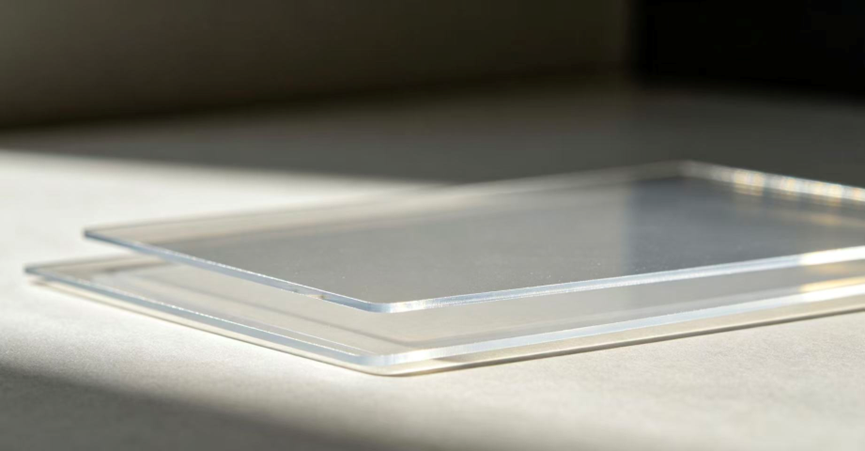
Well‑maintained molds preserve thickness accuracy:
When evaluating thermoforming machine for sale options:
Confirm mold thickness compatibility with your common sheet gauges
How do I know if my mold thickness matches the plastic sheet?
Check finished part wall consistency; uniform thickness means good match. Thin spots or tearing signal insufficient mold thickness.
Can I use one mold thickness for all plastic materials?
Not recommended. Rigid materials need thicker molds; flexible resins work better with thinner tooling.
Does mold thickness affect cycle time?
Yes. Thicker molds cool slower; thin molds may cause distortion. Optimize for your material and gauge.
Which Thermoforming Machine brand supports stable mold thickness control?
WYLONG offers models engineered for consistent mold‑sheet matching across thin and thick gauge applications.
Thermoforming success starts with proper mold thickness. Mastering choose thermoforming machine mold thickness for plastic sheets eliminates waste, boosts quality, and lowers per‑part cost. Whether you run packaging lines or structural parts, aligning mold thickness with sheet gauge, material, and part geometry keeps production stable.
For industrial‑grade accuracy and reliability, WYLONG thermoforming equipment delivers consistent performance with flexible mold thickness compatibility.
If you’re unsure about mold thickness for your sheets or selecting a Thermoforming Machine, contact our team for a free application review and tailored recommendation.

Our professional team of technical experts provides services for your needs around the clock time.

 Optimized by Seraphinite Accelerator