×

In today’s fast-paced manufacturing landscape, maximizing output is the cornerstone of operational success for businesses relying on plastic forming processes. The multi station thermoforming machine stands out as a game-changer here, outperforming single-station alternatives by streamlining sequential production steps into a continuous workflow. For producers across packaging, automotive, and medical sectors, unlocking the full potential of this equipment isn’t just about speed—it’s about optimizing every design and operational element to eliminate bottlenecks, maintain quality, and turn raw thermoplastic sheets into finished parts at scale. This guide breaks down the core strategies to boost output in your multi station thermoforming machine, aligning design choices with real-world production demands and industry best practices.
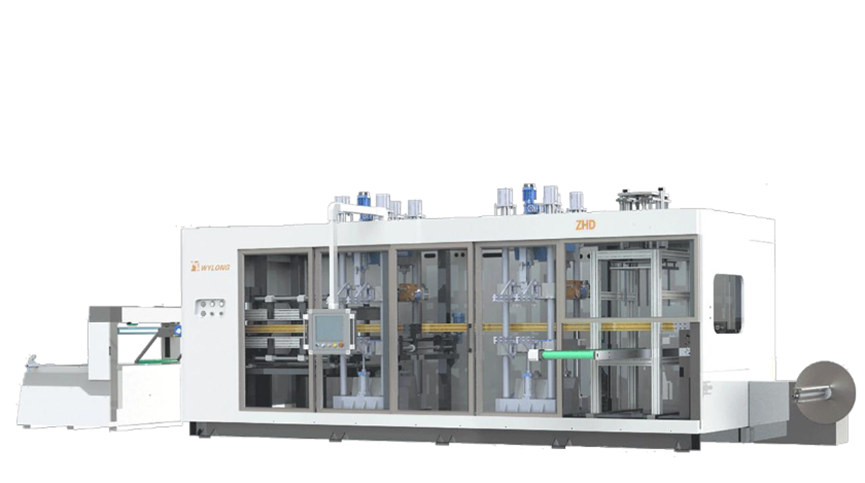
At its core, multi station thermoforming operates on a simple yet powerful principle: dividing the thermoforming process—heating, forming, cooling, trimming—into dedicated workstations that run simultaneously. Unlike a basic thermoformer, which pauses production to complete one step at a time, a well-engineered multi station system keeps every station active, slashing cycle times and minimizing idle time. Three non-negotiable pillars drive output for this equipment:
Every design decision, from heater placement to transfer mechanism speed, directly impacts how these pillars work together—making alignment between design and production needs critical for maximum efficiency.
The layout of workstations is the foundation of a high-output multi station thermoforming machine, and optimal configuration is tailored to both current production needs and future growth. Two primary layouts dominate the industry, each with distinct advantages for output:
| Layout Type | Key Benefits for Output | Ideal Production Scenarios |
| Rotary | Cuts transfer time by up to 30% with continuous circular movement; minimizes idle time | High-volume, single-product runs (e.g., mass-produced thermoforming packaging) |
| Linear | Enables easy addition of stations; supports quick mold changes | Custom, multi-product production or small-batch runs with frequent changeovers |
Beyond layout, dedicated station specialization—assigning a single fixed function to each station (e.g., one for heating, two for forming)—eliminates the need for in-machine reconfiguration and keeps cycle times consistent. Modular add-ons further boost output by letting businesses integrate extra forming or cooling stations as volume grows, avoiding the cost and downtime of full machine replacement.
Heating is the most critical pre-forming stage, and inefficient heating design is the top cause of slow cycle times and inconsistent part quality—two major barriers to maximum output. A high-performance multi station thermoforming machine features a heating system engineered for speed and uniformity, with three key design elements:
Zone-based infrared heating: Independent temperature zones target specific sheet areas, matching heat intensity to material thickness and type—reducing heating time by 20–25% compared to single-zone systems.
Dual-sided heating elements: Top and bottom heaters soften the plastic sheet evenly, eliminating cold spots that cause forming defects and costly rework.
Motorized heater calibration: Adjustable heater heads move closer or farther from the sheet based on material, cutting heat-up time while preventing overheating.
Consistent, fast heating ensures sheets reach the ideal pliability for forming, so the next station never waits for material—keeping the production loop unbroken.
The forming station is where the plastic sheet takes its final shape, and its design directly impacts both output volume and part precision. To maximize speed without sacrificing quality, top-tier thermoforming equipment includes these optimizations:
These features ensure the forming station keeps pace with upstream heating and downstream cooling—critical for maintaining the continuous flow that defines high-output multi station operation.
Smooth, fast material transfer is non-negotiable for maximizing output, as jams or delays at any stage can bring the entire production line to a halt. A high-performance multi station thermoforming machine incorporates material handling design that eliminates these issues:
Every transfer mechanism is calibrated to match the speed of the slowest workstation, ensuring the entire line operates at peak efficiency.
Automation is the backbone of high-output multi station thermoforming, turning a set of individual workstations into a cohesive, self-regulating system. The control system acts as the brain, unifying every stage of operation with these key features:
This level of automation reduces human error, minimizes unplanned downtime, and enables 24/7 unattended operation—directly boosting hourly output for high-volume runs.
Cooling and trimming are often overlooked bottlenecks, but their design is critical for keeping production moving. Slow cooling leads to warped parts and delayed station turnover, while post-production trimming adds an extra step and reduces efficiency. High-output thermoforming equipment addresses this with:
By accelerating these final stages, the system turns formed sheets into finished parts faster, increasing overall hourly output.
Energy-efficient design isn’t just about reducing operational costs—it directly boosts output by minimizing downtime from overheating or system strain. A well-engineered plastic thermoforming machine includes energy-saving features that support continuous high-speed production:
Efficient systems run cooler, last longer, and require less downtime—translating to more production hours and higher total output over time.
No two manufacturing operations are the same, and a one-size-fits-all multi station thermoforming machine will never deliver maximum output for every business. The best multi station thermoforming machine manufacturer offers application-specific customization, tailoring equipment to the needs of key industries:
Customization ensures the machine is built for your specific production goals, eliminating unnecessary features and optimizing critical ones for maximum output.
Maximizing output in a multi station thermoforming machine is not about a single design feature or quick fix—it’s about the synergy of integrated, intentional design across every core component, from station layout and heating systems to automation and material handling. Every element must work in tandem to eliminate bottlenecks, keep every workstation active, and maintain consistent quality at peak production speeds. Whether you’re producing high-volume thermoforming packaging or precision automotive components, the right design choices turn your Thermoforming Machine into a reliable workhorse that delivers measurable gains in hourly output, reduces per-unit costs, and scales with your business growth.
WYLONG stands as a trusted multi station thermoforming machine manufacturer, engineering equipment that integrates all the output-boosting features outlined in this guide—from modular station configuration and advanced automation to application-specific customization. Every multi station thermoforming machine is built for maximum output without sacrificing quality, with the durability and efficiency to power your manufacturing operation for years to come. If you’re ready to unlock the full output potential of your thermoforming process, contact WYLONG today to consult with our experts and build a tailored solution that aligns with your production volume, product needs, and growth goals.
What is the most critical factor for maximizing output in a multi station thermoforming machine?
Seamless, continuous material transfer between dedicated workstations is the most critical factor, as it eliminates idle time and ensures all stages of production run simultaneously— the core advantage of multi station over single-station thermoforming equipment.
Can a multi station thermoforming machine be adapted for both high-volume and small-batch production?
Yes. Linear station layouts with modular add-ons and quick-change mold plates offer the flexibility to switch between high-volume single-product runs and small-batch custom production, making the system suitable for diverse manufacturing needs.
How do thermoforming machine price and customization impact output?
While advanced customization and high-performance features may increase upfront thermoforming machine price, they deliver a faster ROI by boosting output, reducing downtime, and eliminating inefficiencies. Budget-focused options may lack key features, limiting long-term output potential.
What should I look for when evaluating a multi station thermoforming machine for sale?
Prioritize modular design, seamless material transfer, real-time process control, and application-specific customization—along with the manufacturer’s reputation for after-sales support and spare parts availability.
Does WYLONG offer support for optimizing existing thermoforming equipment for higher output?
Yes. WYLONG provides comprehensive engineering support, including process audits and equipment retrofits, to optimize existing multi station thermoforming machine systems—unlocking additional output gains without the cost of full machine replacement.

Our professional team of technical experts provides services for your needs around the clock time.