×
×



In the competitive landscape of packaging manufacturing, thermoforming packaging stands as a versatile and cost-effective solution for industries ranging from food and medical to consumer goods. The success of this process, however, hinges on one critical alignment: matching the capacity of your thermoforming Machine to your exact packaging needs. A misaligned setup—whether an underpowered unit struggling with large-format packaging or an overspec’d machine wasting energy on small runs—directly impacts thermoforming costs, production efficiency, and end-product quality. As the future of thermoforming leans into precision and scalability, mastering this matching process becomes non-negotiable for businesses aiming to optimize their operations. This guide breaks down how to align every capacity aspect of a machine with your packaging’s size, thickness, and material requirements, turning your thermoforming equipment into a streamlined production asset.
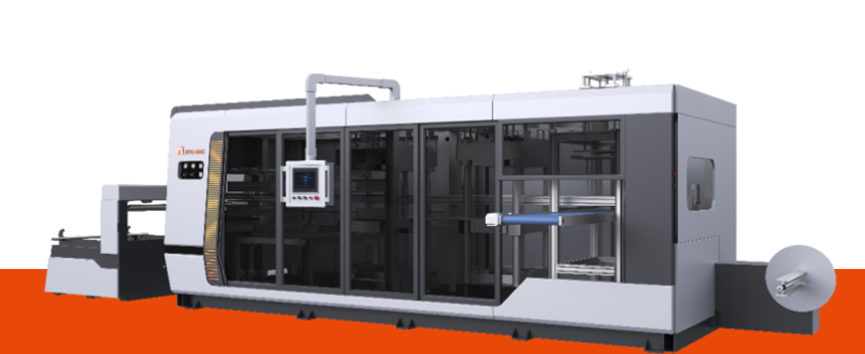
Before evaluating any thermoformer or its specifications, you must first map the exact parameters of your thermoforming packaging—size and thickness form the foundation of all capacity matching decisions, with industry-specific rules adding critical constraints.
Start by documenting the maximum and minimum dimensions of your packaging (length, width, height), including any protruding features like lids, rims, or custom indentations. These measurements dictate the core forming space your thermoforming Machine requires, and even small oversights (e.g., ignoring a 2cm rim) can lead to production bottlenecks. For high-volume runs, also factor in multi-cavity molding potential—how many units you can produce per cycle directly ties to the packaging’s footprint and the machine’s forming area.
Packaging thickness (typically 0.1–5mm for thermoformed products) drives the machine’s heating, forming, and cooling capacity. Thin-gauge packaging (e.g., food blister packs) needs fast, uniform heating and rapid cooling, while thick-gauge packaging (e.g., industrial shipping trays) requires higher heat input and sustained forming pressure to avoid warping. Note the material thickness tolerance too—tight tolerances demand a more precise plastic thermoforming machine with calibrated heating zones.
Regulatory and functional rules add non-negotiable layers to size and thickness requirements. Food-grade thermoforming packaging demands FDA-compliant material thickness to prevent leakage and ensure safety; medical packaging requires uniform thickness for sterility barriers; industrial packaging needs reinforced thickness for impact resistance. These constraints not only shape the packaging itself but also the thermoforming equipment features (e.g., cleanroom compatibility) needed to produce it.
Once your packaging size is defined, align it with the thermoforming Machine’s physical and operational capacity—every component from the forming area to the conveyor system must accommodate your product’s dimensions to avoid inefficiencies.
The forming area is the machine’s core workspace, and its size must exceed your packaging’s maximum dimensions (including multi-cavity layouts) by a small buffer (5–10cm) for mold fitting and material trimming. A thermoformer with a too-small forming area limits production volume, while an oversized one increases thermoforming costs and energy waste.
Platens (the plates holding the mold) must match the mold’s size, and their vertical travel distance dictates the packaging’s maximum depth. For deep-drawn packaging (e.g., tall food containers), a platen with extended travel is essential to ensure full material forming without stretching or tearing.
Your thermoforming Machine must support the mold type (single-cavity/multi-cavity, male/female) and material (aluminum/steel) for your packaging size. Multi-cavity molds for small packaging require a machine with precise mold alignment, while large single-cavity molds need a sturdy platen system to prevent flexing during forming.
Conveyor width and speed must align with the packaging’s finished size—narrow conveyors cause jams for large products, while slow conveyors bottleneck high-volume runs of small packaging. Automated handling systems (e.g., stackers) also need capacity matching to avoid post-forming delays.
Packaging thickness dictates the thermoforming Machine’s process capacity, with heating, forming, cooling, and finishing systems all needing calibration to the material’s gauge—this is where many capacity matching mistakes occur, leading to defective packaging and wasted material.
Thick-gauge packaging requires a heating system with high wattage and multiple calibrated zones to ensure uniform melting of the plastic sheet; thin-gauge packaging needs low-wattage, fast-response heaters to avoid overheating. A plastic thermoforming machine with adjustable heating zone power is ideal for businesses producing multiple thicknesses of packaging.
Sustained vacuum pressure (for thin-gauge) or air pressure (for thick-gauge) is critical to push the molten plastic into the mold’s details. Thin-gauge packaging needs high-speed vacuum to form crisp edges, while thick-gauge requires higher pressure and longer hold times to eliminate voids—your thermoformer must have a pressure/vacuum system that meets these exact demands.
Cooling speed directly impacts cycle time and packaging quality. Thin-gauge packaging needs rapid, uniform cooling (e.g., air blast systems) to maintain shape, while thick-gauge requires gradual cooling to prevent internal stress and warping. A well-matched cooling system cuts thermoforming costs by reducing cycle time and scrap rates.
Trimming systems must handle the packaging’s thickness—thin-gauge packaging needs sharp, fast-cutting blades, while thick-gauge requires heavy-duty trimming tools to avoid fraying. Misaligned trimming capacity leads to uneven edges, increased scrap, and extra post-production work.
Material compatibility acts as the bridge between your packaging’s size/thickness and the thermoforming Machine’s capacity—different plastics (PS, PP, PET, ABS) behave differently under heat and pressure, and their properties must align with both the packaging’s specs and the machine’s capabilities. For example, rigid PP (used for thick-gauge food packaging) needs a thermoforming Machine with high heating capacity and slow cooling, while flexible PET (thin-gauge blister packs) requires fast heating and rapid vacuum forming. A mismatched material-machine combination leads to poor forming, material degradation, and elevated thermoforming costs—always verify that your equipment is rated for the plastic type, size, and thickness you use.
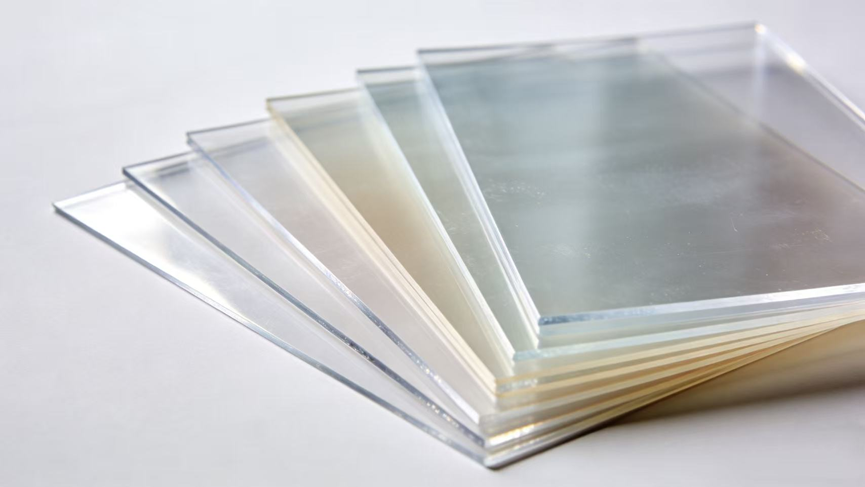
Follow this structured process to eliminate guesswork and ensure perfect alignment between your thermoforming Machine and packaging needs:
Document all packaging specs: size (max/min), thickness, material, and industry regulatory constraints.
Calculate production volume: per-cycle output (multi-cavity) and daily/weekly run goals to factor in speed and throughput.
Evaluate core machine capacities: forming area, platen travel, heating/vacuum power, and cooling efficiency against your specs.
Test material compatibility: run small pilot batches with your plastic on the candidate thermoformer to validate forming quality.
Assess secondary capacities: conveyor speed, trimming, and automation features to ensure end-to-end production flow.].
Factor in scalability: choose a machine that can accommodate future packaging size/thickness changes.
Even with a clear process, common missteps can derail capacity alignment—avoid these to save time, money, and production headaches:
Capacity matching is directly tied to cost efficiency— the goal is to find a thermoforming Machine that meets your current needs without unnecessary features that drive up thermoforming machine price or costs. A perfectly matched machine reduces scrap rates (typically by 10–20%), shortens cycle times, and lowers energy use—all of which boost your bottom line. For businesses considering a thermoforming machine for sale, balance upfront cost with long-term operational efficiency: a slightly higher initial price for a precisely matched machine will pay for itself in reduced waste and higher production volume. Avoid the temptation to choose a cheaper, misaligned machine—its ongoing inefficiencies will far outweigh the upfront savings.
Matching thermoforming Machine capacity to packaging needs is not just a technical exercise—it is the foundation of efficient, cost-effective thermoforming packaging production. From defining your packaging’s size and thickness parameters to aligning them with the machine’s forming, heating, and cooling capacity, every step ensures that your thermoforming equipment operates at its full potential, with minimal waste and maximum output.
WYLONG is a trusted manufacturer of precision-engineered thermoforming Machine and plastic thermoforming machine solutions, with a focus on designing equipment that perfectly aligns with diverse packaging size, thickness, and material needs. Our range of equipment features modular heating/cooling systems, adjustable forming areas, and scalable automation—all built to optimize costs and production efficiency for food, medical, industrial, and consumer goods packaging. Beyond equipment, our expert team provides end-to-end support, from packaging spec analysis to machine calibration and pilot runs, ensuring a seamless capacity matching process for every client.If you’re ready to find the perfect thermoforming machine for your packaging needs—whether you’re searching for a machine or looking to optimize your existing thermoforming equipment—contact them today. Our specialists will work with you to analyze your packaging specs, evaluate capacity requirements, and design a customized solution that aligns with your production goals, budget, and the evolving future of thermoforming.
What is the first step to match a thermoforming Machine’s capacity to packaging needs?
The first step is to document all exact packaging specifications, including maximum/minimum size, material thickness, plastic type, and any industry-specific regulatory constraints—this forms the baseline for all machine capacity evaluations.
How does packaging thickness impact a thermoformer’s heating system requirements?
Thick-gauge packaging demands a high-wattage, multi-zone heating system for uniform melting, while thin-gauge packaging needs low-wattage, fast-response heaters to prevent overheating; a mismatched heating system leads to defective forming and high scrap rates.
Does scalability matter when matching thermoforming equipment to current packaging needs?
Yes, scalability is critical—choosing a machine that can accommodate future packaging size/thickness changes aligns with the future of thermoforming and avoids the cost and disruption of replacing equipment as your business grows. WYLONG designs its thermoforming Machine models with modular scalability, making it easy to adjust capacity for evolving packaging needs.
How does capacity matching affect overall thermoforming costs?
Perfect capacity matching reduces scrap rates, shortens production cycle times, and lowers energy and material waste—all of which drive down per-unit thermoforming costs; misalignment, by contrast, leads to inefficiencies that inflate ongoing operational expenses.
Previous: No Information
Next article: How to Reduce Energy Consumption in Biodegradable Plastic Extrusion

Our professional team of technical experts provides services for your needs around the clock time.

 Optimized by Seraphinite Accelerator