×
×



In industrial manufacturing, every second of production counts—yet speed should never come at the cost of consistent product quality. For operations relying on Thermoforming Machine technology, balancing faster throughput with precise, defect-free output is the key to scaling efficiency and profitability. Whether you’re running a small production line or a high-volume industrial facility, optimizing your thermoforming process requires a strategic blend of process refinement, equipment calibration, and proactive maintenance. This guide breaks down actionable steps to boost the speed of your thermoforming systems while preserving the quality that defines your brand, with insights tailored to industrial packaging and manufacturing workflows.
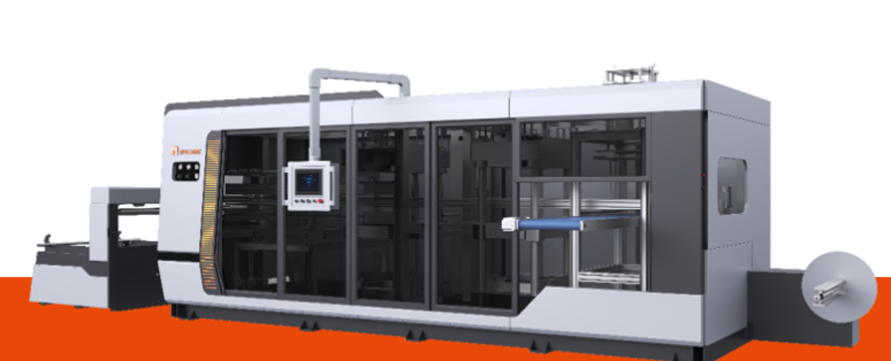
Thermoforming speed refers to the number of finished parts a thermoformer can produce per hour, measured by cycle time and mold cavity output. Quality, by contrast, encompasses consistent wall thickness, precise dimensional accuracy, and the absence of defects like warping or tearing—non-negotiables for industries from food packaging to automotive component manufacturing. The synergy between these two metrics is critical: a fast but inconsistent system leads to costly scrap and rework, while a high-quality but slow one fails to meet production demands. In the competitive industrial landscape, the best thermoforming equipment delivers both, turning raw plastic sheets into finished products at scale without compromising on the details that matter.
Every plastic thermoforming machine relies on interconnected core components, each of which directly influences both speed and quality. Neglecting even one can create bottlenecks that slow production or introduce defects:
Each component must work in harmony—optimizing one without addressing others leads to unbalanced performance and lost efficiency.
Process refinement is the most cost-effective way to increase speed without upgrading equipment, with targeted tweaks to the plastic thermoforming process yielding immediate gains. Below are the most impactful optimizations, organized by core workflow stage.
Heating is the single biggest bottleneck in most thermoforming operations. Calibrate your system to deliver uniform, fast heating by:
Thermoforming molding efficiency hinges on mold design and actuation speed. Refine your mold process by:
Not all plastics are created equal for high-speed thermoforming. Choose materials engineered for fast heating and cooling, such as:
Cycle time is the total time to complete one thermoforming loop, and small reductions add up to massive hourly gains. Streamline cycles by:
Modernize your process with real-time monitoring to catch inefficiencies before they impact speed or quality:
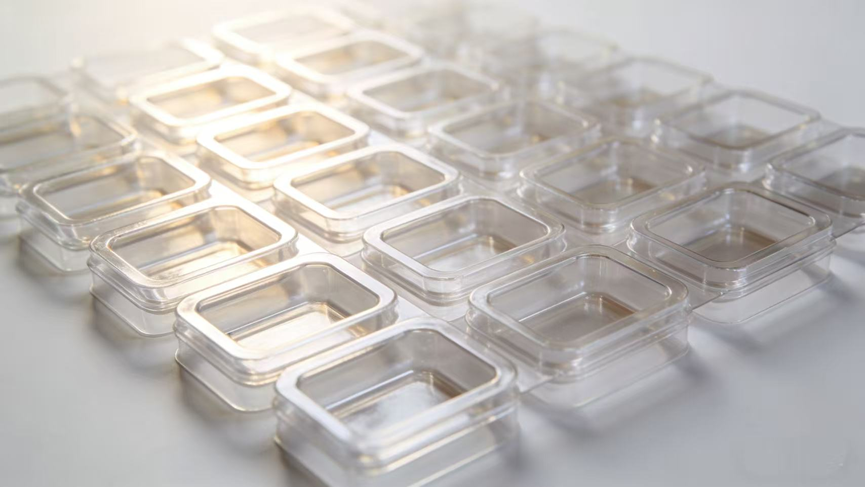 When process optimization hits its limits, targeted equipment upgrades deliver sustainable speed gains. Focus on upgrades that align with your production goals:
For businesses exploring a thermoforming machine for sale, prioritize models with modular upgrade options—this allows you to scale speed as production demands grow, without full machine replacement.
Even the most optimized Thermoforming Machine will underperform without consistent preventive maintenance. Unplanned downtime from neglected components costs far more than routine care, so implement a schedule tailored to your production volume:
Like industrial shrink wrap systems, thermoforming equipment thrives on proactive care—regular maintenance extends machine life by 3–5 years and preserves speed gains over time.
Calculating the ROI of speed optimization ensures your efforts deliver measurable financial value, using a simple formula adapted for thermoforming operations:
ROI = (Annual Savings ÷ Total Optimization Cost) × 100
Annual savings stem from three key areas:
Increased Output: More parts per hour translate to higher revenue (e.g., a 10% speed gain on a 10,000-parts/hour line adds 1,000 parts/hour, or 8,000 parts per 8-hour shift).
Reduced Scrap: Process optimization cuts defect rates, lowering material waste costs.
Labor Savings: Faster cycles and automation reduce the number of operators needed per shift.
For example, a $5,000 heating system calibration that delivers a 15% speed gain and $20,000 in annual savings yields a 400% ROI—with a payback period of just 3 months. Automated upgrades like servo actuators typically deliver a 9–15 month payback, similar to fully automatic industrial packaging systems.
Can I increase thermoforming speed without upgrading my existing machine?
Yes—process optimizations like heating system calibration, mold refinement, and cycle time streamlining deliver immediate speed gains with minimal upfront cost, often boosting output by 10–25%.
What’s the biggest mistake businesses make when trying to speed up thermoforming?
Focusing on a single component (e.g., the mold) without optimizing supporting systems (e.g., heating or cooling). This creates bottlenecks and leads to inconsistent quality at higher speeds.
Which materials are best for high-speed thermoforming?
Polyolefin (POF), preheated PET, and high-flow PVC are ideal—they soften and cool quickly, reducing cycle time while maintaining structural integrity for most applications.
How often should I service my thermoforming equipment to preserve speed gains?
Daily cleaning and basic checks are non-negotiable, with monthly calibration and quarterly full system audits. For 24/7 operations, schedule biweekly maintenance to prevent unplanned downtime.
Does WYLONG offer customized thermoforming solutions for high-speed production?
Yes—WYLONG’s industrial thermoforming equipment line includes customizable models with modular heating, molding, and automation options, tailored to meet the unique speed and quality needs of your production line.
Increasing Thermoforming Machine speed without sacrificing quality is not a tradeoff—it’s a strategic combination of process refinement, targeted equipment upgrades, and proactive maintenance. Every step, from calibrating heating zones to adopting real-time monitoring, builds a more efficient system that scales with your production demands. The key is to optimize holistically: no single tweak delivers maximum results, but a coordinated approach to the plastic thermoforming process and equipment creates a self-sustaining cycle of speed and quality.
For businesses looking to implement these strategies—whether optimizing existing equipment or exploring a thermoforming machine for sale—WYLONG stands as a trusted partner in industrial thermoforming solutions. With a line of high-performance plastic thermoforming machine models engineered for speed, precision, and scalability, the combines cutting-edge technology with industry expertise to help you achieve your production goals. Every system is designed for easy optimization and low maintenance, ensuring your speed gains last for years to come.
Whether you’re optimizing your current Thermoforming Machine or investing in a new machine for sale, the experts at WYLONG are here to help. Our team will assess your production workflow, recommend targeted optimizations or equipment solutions, and ensure you achieve maximum speed without compromising on the quality your customers expect. Contact WYLONG today to start your thermoforming speed optimization journey.

Our professional team of technical experts provides services for your needs around the clock time.

 Optimized by Seraphinite Accelerator