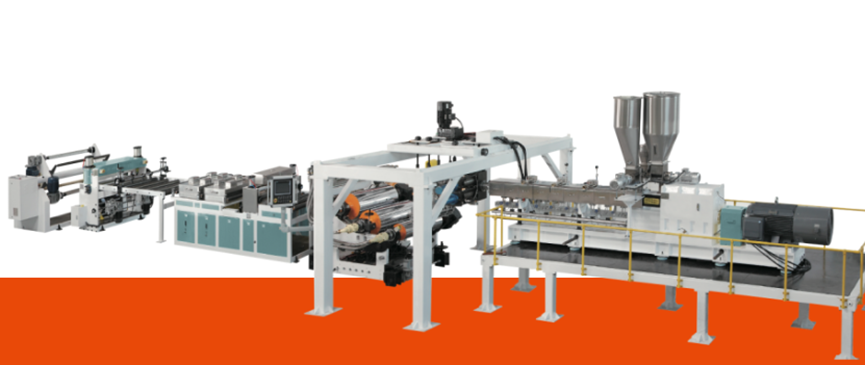
In plastic sheet extrusion, even a tiny speck of dust can turn a perfect batch into scrap. The plastic sheet extruder is the heart of modern plastic processing lines, producing sheets for packaging, thermoforming, and industrial uses. However, dust, debris, and resin residue are constant threats, affecting quality, yield, and profitability. Understanding how to control dust and contamination in plastic sheet extruder production helps manufacturers maintain high standards and stable output. Whether you operate a small workshop or a large plant, protecting your plastic sheet production line from contamination is key to long-term success.
Why Dust & Contamination Control Matters in Extrusion
Impact on plastic sheet quality and output
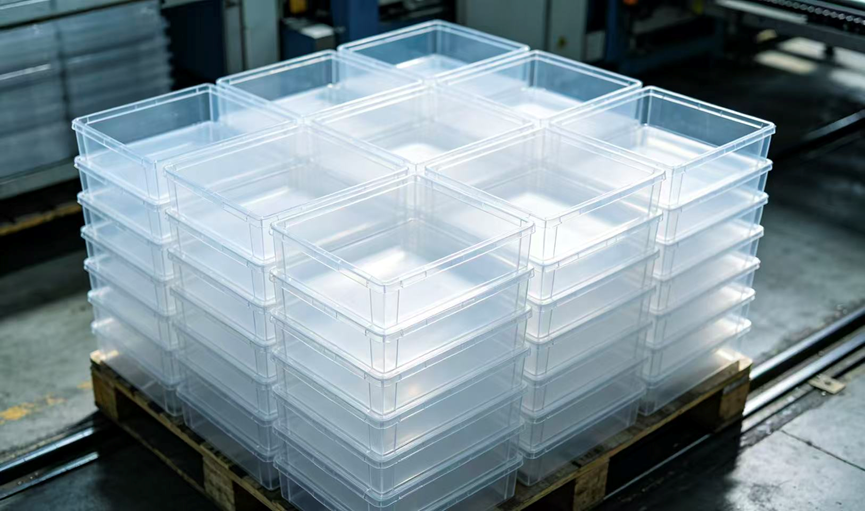
Dust and contamination ruin sheet appearance and performance. causing spots, streaks, discoloration, and weak areas. These defects make sheets unsuitable for food packaging, medical products, and premium applications. Inconsistent quality leads to rejected batches, higher scrap rates, and increased costs. Over time, contamination reduces customer trust and limits market opportunities. Clean production directly boosts yield and profit.
Common contamination risks in production
Contamination comes from four main areas:
Workshop environment: Floors, walls, and air carrying fine particles.
Raw materials: Dirty resins, poor storage, or impure recycled materials.
Equipment buildup: Burnt resin, carbon, and debris inside the plastic sheet extruder machine.
Human factors: Unclean gloves, clothing, or careless handling.
How to Control Dust in Plastic Sheet Extruder Production
Effective dust prevention methods for workshop
A clean workshop is the first barrier against dust:
Install high-efficiency air filters and ventilation systems to remove airborne particles.
Use smooth, sealed floors and walls that do not trap dust.
Require lint-free uniforms, hairnets, and shoe covers for all staff.
Limit unnecessary movement in the production zone to avoid stirring dust.
Daily cleaning routines for equipment
Regular cleaning keeps the sheet extrusion area dust-free:
Wipe hoppers, feed chutes, and roller surfaces daily with lint-free cloths.
Vacuum motor housings, control panels, and ventilation grilles.
Clean die lips and cooling rolls after each shift.
Schedule weekly deep cleaning for hidden areas under the machine.
Ways to Reduce Contamination in Plastic Sheet Extrusion
Material handling and storage solutions
Clean materials start with proper handling:
Store virgin resins in sealed, dry containers in a climate-controlled space.
Use separate hoppers for different materials to avoid cross-contamination.
Inspect all incoming resin for dust or discoloration before loading.
Filter and clean recycled scrap before adding it to production.
Barrel and screw cleaning best practices
Resin buildup inside the machine is a major source of contamination:
Use professional purging compounds between colors or materials.
Disassemble and clean the screw quarterly to remove carbon deposits.
Avoid overheating resin, which causes degradation and buildup.
Lubricate moving parts according to the manual.
Dust Control Tips for Plastic Sheet Extruder Line
Airflow and ventilation system management
Good airflow keeps dust away from the process:
Direct clean air into the production zone and exhaust dusty air outside.
Maintain steady airflow without strong turbulence.
Replace filters monthly for consistent performance.
Install dust collectors near loading points.
Sealing and protection for key parts
Seal vulnerable areas to block dust entry:
Add dust-proof covers to hoppers and feeders.
Use gaskets and seals between machine sections.
Cover unused hoppers when not in use.
Protect cooling rolls with dust shields.
Prevent Dust Pollution in Sheet Extrusion Production
Operator behavior and process standards
Human habits heavily influence cleanliness:
Ban food, drinks, and smoking in the production area.
Require handwashing and glove changes before handling materials.
Avoid touching sheet surfaces with bare hands.
Train staff to spot contamination early.
Real-time monitoring and early warning
Catch problems before they escalate:
Install inline visual inspection systems.
Check sheets at extrusion, cooling, and trimming stages.
Set alarms for abnormal quality readings.
Analyze daily data to spot recurring issues.
Contamination Control for Plastic Sheet Production Line
Stable operation to avoid residue buildup
Consistent machine operation reduces residue:
Keep temperature and pressure stable.
Avoid frequent speed changes.
Operate at optimal capacity.
Perform regular maintenance.
Quick cleanup during color or material change
Color and material changes are high-risk moments:
Thoroughly purge the barrel and screw.
Clean hoppers and feeders completely.
Run a small test batch before full production.
Choose Reliable Plastic Sheet Extruder Line Suppliers
Select dust proof design extruder equipment
Choose machines built for cleanliness:
Work with experienced plastic sheet extruder line suppliers.
Look for sealed frames, covered drives, and protected electrical parts.
Check heavy-duty construction and precision parts.
Ensure smooth barrel and screw surfaces.
Review customer feedback on reliability and cleanliness.
FAQs
How often should I clean the extruder barrel and screw?
Purge between material/color changes; deep clean every three months.
Can recycled plastic cause contamination?
Yes. Always filter and clean recycled material before use.
What is the main source of dust in extrusion plants?
Airborne particles from floors and raw material handling.
Is WYLONG a reliable brand for dust-resistant plastic sheet extruders?
Yes. WYLONG designs robust plastic sheet extruder units with dust-proof construction, reliable sealing, and stable performance, supporting prevent dust pollution in sheet extrusion production.
Conclusion
Controlling dust and contamination is essential for consistent plastic sheet extrusion quality. From workshop hygiene and daily cleaning to material management and machine design, every step in contamination control methods for plastic sheet production line improves output and reduces waste. Clean processes lower scrap, boost efficiency, and protect your brand. Choosing a trusted extruder line suppliers ensures durable, easy-to-maintain equipment. WYLONG delivers high-performanceplastic sheet extruder machine solutions built for cleanliness and stability. If you are looking for a extruder for sale or need contamination control advice, contact our team today for expert consultation and tailored solutions.





 Optimized by Seraphinite Accelerator