×
×



In the fast-paced world of plastic manufacturing, product design flexibility stands as a make-or-break factor for businesses aiming to stay competitive. The choice between thermoforming machines and injection molding directly shapes how designers can bring their ideas to life—from material selection to shape complexity and iterative tweaks. At the core of thermoforming’s versatility lies the thermoforming machine, a piece of equipment that has evolved dramatically to meet modern design demands. This blog dives into how these two processes influence design flexibility, with a focus on the role of thermoforming machines and real-world applications that highlight their unique strengths.
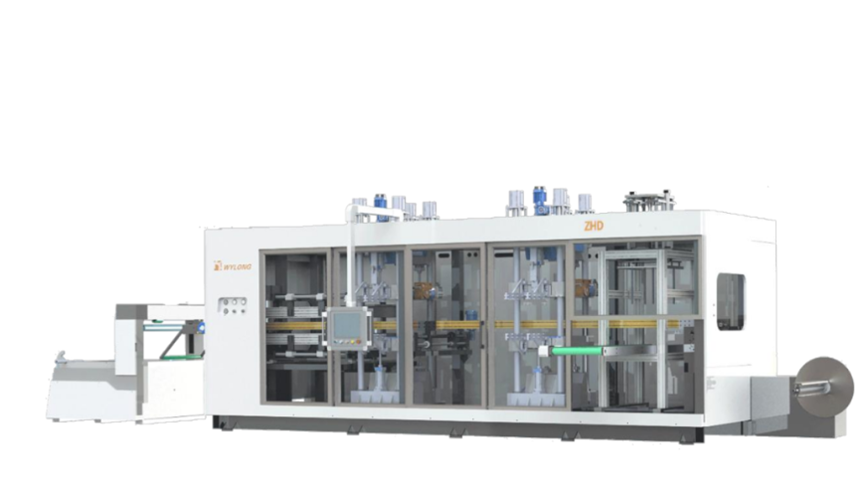
Before exploring design flexibility, let’s recap the fundamental processes:
Design flexibility hinges on four critical factors:
How each process performs in these areas ultimately determines how freely designers can innovate—with thermoforming machines playing a pivotal role in thermoforming’s adaptability.
Thermoforming excels at large-scale designs, thanks to the capabilities of modern plastic thermoforming machines. Unlike injection molding, which struggles with large parts due to the immense clamping force required, a thermoformer can easily shape plastic sheets into oversized components—think industrial enclosures or vehicle dashboards—without compromising structural integrity. While extreme negative angles remain challenging, advanced the equipment now supports increasingly complex contours, closing the gap with injection molding for mid-complexity shapes.
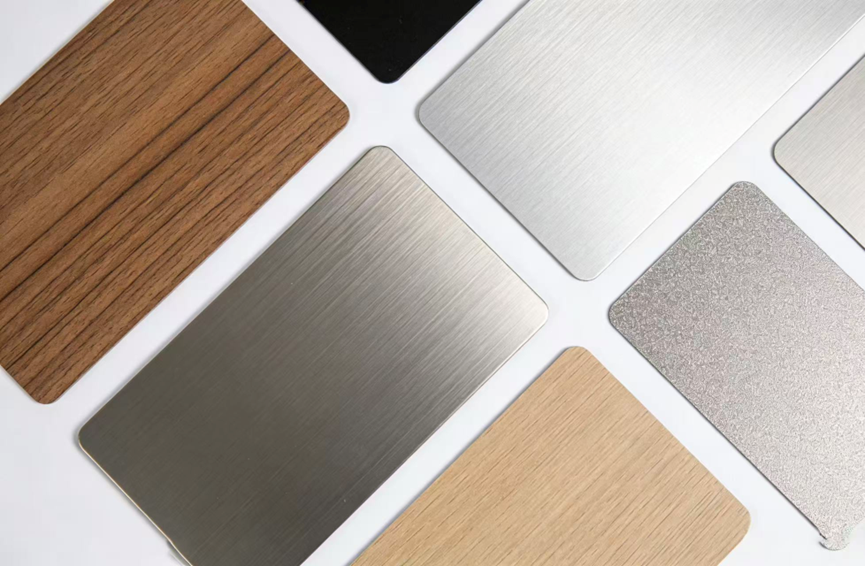
The plastic thermoforming process offers remarkable material versatility. Starting with plastic sheets, designers can choose from a wide range of polymers, and switching materials is simple—often requiring minimal adjustments to the thermoforming machine. Surface customization is another strong suit: the molding allows for in-process application of haircell finishes, embossed patterns, or laminated effects like woodgrain or brushed metal, eliminating the need for post-production treatments.
Design iteration is seamless with thermoforming. Modifying a thermoforming mold is cost-effective and fast, as thermoforming equipment doesn’t require complete mold overhauls for minor tweaks. This means designers can test multiple versions of a product without lengthy delays, a key advantage for startups or projects with evolving requirements. For those looking to scale, many suppliers offer a thermoforming machine for sale that can grow with production needs, ensuring flexibility as designs mature.
While thermoforming doesn’t support in-mold inserts as seamlessly as injection molding, it still offers flexibility for secondary features. Adhesives, fasteners, or printed overlays can be easily added post-forming, and advanced thermoforming machines can accommodate multi-part assemblies by shaping components that fit together precisely. This makes it possible to create functional, feature-rich products without the constraints of mold complexity.
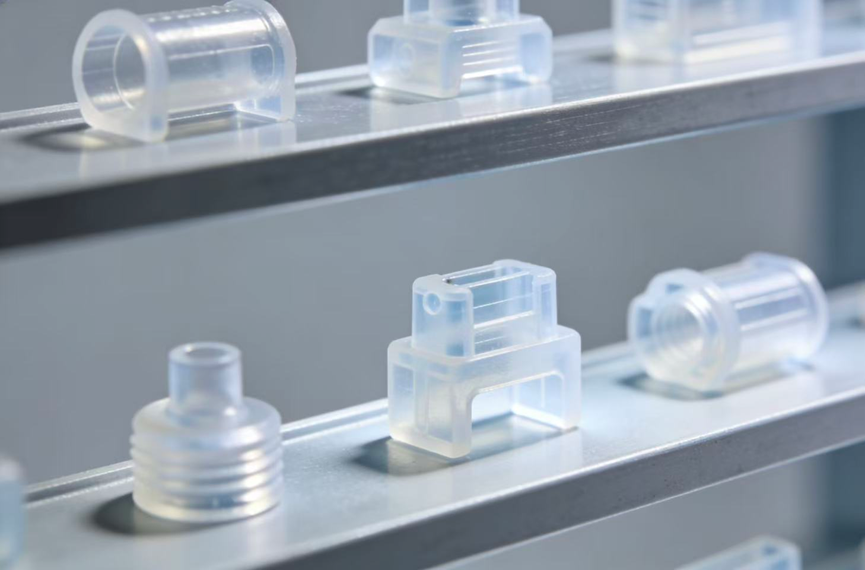
Injection molding shines for small, intricate parts. The high pressure of the process allows for extreme detail—think tiny medical components or gear teeth—with consistent dimensional accuracy. However, size is a major limitation: large parts require massive, expensive machines and molds, making injection molding impractical for oversized designs. Negative angles and undercuts are possible but add significant cost and complexity to the mold.
Material choices for injection molding are limited to polymers that melt and flow easily. Color and texture options are restricted compared to thermoforming; while some intricate processes allow for variations, they’re often costly. Surface finishes are determined by the mold, so changing textures requires mold rework—reducing flexibility for last-minute design adjustments.
Injection molding is rigid when it comes to iteration. Molds are expensive and time-consuming to produce, often taking months to design and build. Even minor changes can require a full mold redesign, making it risky for projects with untested designs. This lack of adaptability makes injection molding better suited for final production rather than prototyping or low-volume runs.
One of injection molding’s strengths is its ability to integrate secondary features in-mold. Inserts, hardware, or multiple materials can be molded directly into the part, reducing assembly time and improving durability. This flexibility is ideal for complex products where precision assembly is critical, but it comes at the cost of higher upfront mold investment.
| Metric | Thermoforming Machines | Injection Molding |
| Shape & Size | Excellent for large parts; good for mid-complexity shapes | Ideal for small, intricate parts; poor for large designs |
| Material & Surface | Wide material range; diverse surface finishes | Limited materials; restricted surface customization |
| Iteration Speed | Fast, low-cost mold modifications | Slow, expensive mold changes |
| Secondary Features | Easy post-forming integration | Seamless in-mold integration |
A manufacturer needed a 6-foot-tall industrial control enclosure with a textured surface and cutouts for wiring. Using a plastic thermoforming machine, they created a single-piece enclosure from a durable ABS sheet—eliminating the need for multiple assembled parts. The thermoforming process allowed for quick adjustments to the cutout positions, and the textured surface was applied in-line, reducing production time by 30% compared to alternative methods. The equipment also supported small-batch production, making it cost-effective for the client’s 50-unit order.
A medical device company required tiny, sterile components with tight tolerances for a diagnostic tool. Injection molding was the clear choice: the process produced 10,000 parts per run with consistent dimensions, and in-mold inserts integrated metal connectors directly into the plastic. While the initial mold cost was high, the low per-part cost and precision made it feasible for high-volume production. However, the design team had to finalize the design upfront—any changes would have required a new mold, limiting flexibility during development.
Q1:Is thermoforming better than injection molding for large parts?
A1:Yes—thermoforming machines can easily handle large plastic sheets, while injection molding requires impractically large machines and molds for oversized parts. Brands like WYLONG offer specialized thermoforming equipment tailored to large-part production, enhancing design freedom for big-ticket items.
Q2:How do thermoforming machines support custom product design?
A2:A thermoformer allows for quick mold modifications, diverse material choices, and in-process surface customization. Whether you need a unique texture or a one-of-a-kind shape, thermoforming machines adapt to custom requirements without the high costs of injection molding molds.
Q3:When should manufacturers choose thermoforming over injection molding?
A3:Opt for thermoforming if you’re producing large parts, low-to-medium volumes, or need flexible iteration. It’s also ideal for prototyping, as a thermoforming machine for sale can support small runs while keeping upfront costs low.
Q4: Can thermoforming match injection molding’s part detail?
A4: Thermoforming can’t replicate injection molding’s ultra-fine micro-details, but modern machines handle mid-complexity designs well, especially for large parts at lower mold cost.
Design flexibility in plastic manufacturing is deeply influenced by the choice between thermoforming and injection molding—and thermoforming machines are the backbone of thermoforming’s adaptability. Thermoforming excels in large-part production, material versatility, and rapid iteration, making it perfect for custom designs, prototyping, and low-to-medium volumes. Injection molding, by contrast, is unmatched for small, intricate parts in high volumes, offering precision and in-mold feature integration. Brands like WYLONG have elevated thermoforming’s capabilities with advanced thermoforming equipment, further expanding design possibilities for manufacturers.
When deciding between the two, consider your product’s size, complexity, volume, and need for iteration. For most custom projects or large designs, a plastic thermoforming machine will provide the flexibility to innovate without breaking the bank. If you’re ready to leverage the versatility of thermoforming for your next project, reach out to WYLONG today. Our team can help you select the right thermoforming machine for sale and guide you through the plastic thermoforming process—turning your design vision into reality.

Our professional team of technical experts provides services for your needs around the clock time.

 Optimized by Seraphinite Accelerator