×


In the plastic manufacturing landscape, energy efficiency is no longer just a sustainability goal—it’s a core driver of operational cost savings and long-term equipment value. For businesses investing in plastic extrusion equipment for sheet production, the choice between single layer and multi-layer systems hinges not just on product requirements, but on how each design’s energy profile aligns with production scale and budget. Single Layer Sheet Plastic Extruder Line systems are often recognized for their streamlined energy profile, while multi-layer alternatives, though versatile for complex products, carry inherent energy costs from their intricate design.
This guide breaks down the energy efficiency dynamics between the two, from core design principles to total cost of ownership, to help manufacturers make a value-driven choice that balances production needs with energy optimization.
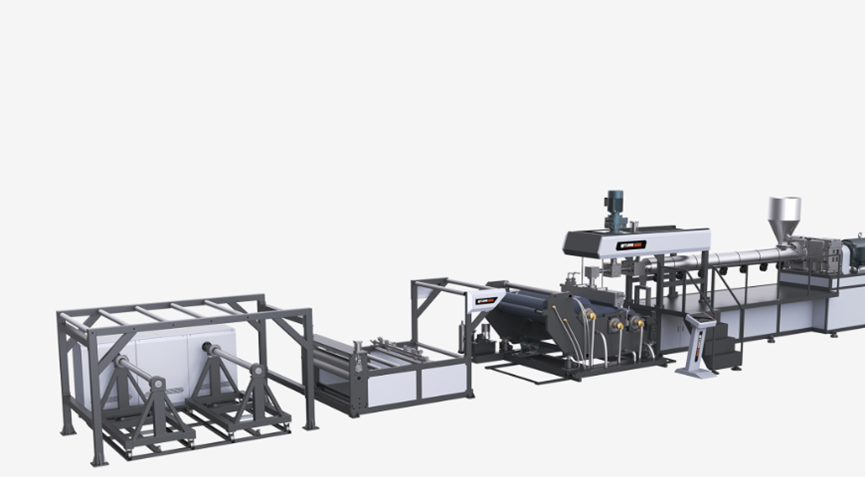
Energy efficiency in plastic sheet extrusion starts with design, and the fundamental differences between single and multi-layer systems create an immediate energy divide. A Single Layer Sheet Plastic Extruder operates on a streamlined single layer extrusion process: one extruder melts and homogenizes plastic resin, which is then pushed through a single die head to form a uniform sheet. This one-step process has minimal mechanical complexity, with fewer moving parts and a simplified thermal control system—all of which translate to lower baseline energy demand.
Multi-layer extruders, by contrast, feature multiple extruders, a complex co-extrusion die head, and independent thermal and pressure controls for each layer. Each extruder requires its own heating and motor power, and the die head’s intricate flow channels demand additional energy to maintain consistent temperature and material flow across layers. For plastic sheet extrusion, this layered design is necessary for high-performance, multi-functional sheets, but it inherently raises energy consumption by design—an important consideration for manufacturers weighing product complexity against operational costs.
Direct energy use—the power required to run the machine’s core systems—is where the efficiency gap between single and multi-layer extruders is most pronounced. We break this down into the two largest energy drivers for plastic sheet extrusion machine systems: heating and motor/auxiliary power.
Heating plastic resin to its melting point accounts for 60–70% of a plastic extruder’s total energy use, and single layer systems hold a clear advantage here. A Single Layer Sheet Plastic Extruder Line has only one barrel and one die head to heat, with a single thermal control zone that maintains consistent temperatures with minimal energy waste. Modern single layer systems also feature insulated barrels and die heads that reduce heat loss, further optimizing heating efficiency for plastic sheet extrusion.
Multi-layer extruders require independent heating for each extruder’s barrel and each section of the co-extrusion die head—often 3+ thermal zones per machine. This means more energy is used to heat a larger surface area, and maintaining precise, separate temperatures for each layer (to prevent material mixing or inconsistent melting) leads to additional energy consumption. Even with insulation, the sheer number of heated components makes multi-layer systems far less efficient in heating energy use for sheet production.
The motor and auxiliary systems (e.g., haul-off, winding, cooling) form the second pillar of direct energy use, and again, single layer systems deliver superior efficiency. A Single Layer Sheet Plastic Extruder uses a single main motor to drive the extruder screw, with smaller, energy-efficient auxiliary motors for haul-off and winding—all calibrated to work in tandem with the single extrusion process, minimizing power draw. The simplified design also means fewer auxiliary pumps, fans, and control systems, each adding only a small amount to the total energy load.
Multi-layer extruders feature multiple main motors (one per extruder) and a more complex set of auxiliary systems to sync the flow of different materials, adjust layer thickness, and maintain die head pressure. Each motor runs at independent speeds, and auxiliary systems work overtime to ensure uniform layer bonding and sheet flatness—this synergy requires more total motor power and higher auxiliary energy use. For a plastic sheet extrusion machine of comparable production capacity, multi-layer systems can use 30–50% more motor and auxiliary energy than single layer alternatives.
Direct energy use tells only part of the story; indirect factors—those that impact energy efficiency over the machine’s operational life—equally shape the total energy profile of plastic extrusion equipment. These factors, tied closely to machine design and reliability, often amplify the efficiency gap between single and multi-layer systems for plastic sheet extrusion.
Energy efficiency is not just about how much power a machine uses, but how much usable product it produces per unit of energy. A Single Layer Sheet Plastic Extruder Line delivers a high production-to-energy ratio because its streamlined process has minimal downtime and consistent throughput. The uniform material flow and simple die head design eliminate common issues like layer delamination or uneven sheet thickness (problems that plague multi-layer systems), meaning less scrap and reprocessing—both of which waste energy and raw material.
Multi-layer systems, while capable of producing high-value, complex sheets, have a lower production-to-energy ratio due to higher scrap rates and more frequent production pauses. Adjusting layer thickness, fixing die head clogs, or resolving material flow imbalances all require stopping production, and reprocessing scrap sheet material uses additional energy to reheat and remold the resin. For manufacturers focused on high-volume, standard sheet production, the single layer system’s higher production-to-energy ratio makes it a far more efficient choice.
Unplanned downtime is a hidden energy cost: a machine that is idle but still powered (or requires energy to restart) wastes valuable power, and maintenance itself can drive additional energy use for testing and calibration. Single Layer Sheet Plastic Extruder systems have a simple design with fewer components, leading to lower failure rates and minimal unplanned downtime—their maintenance needs are limited to basic screw cleaning, lubrication, and die head inspection, all completed quickly with no major energy loss.
Multi-layer plastic sheet extrusion line systems have dozens of additional components (e.g., extra extruder screws, die head flow valves, layer thickness sensors) that are prone to wear or failure. Repairs and maintenance take longer, often requiring the entire machine to be powered on for calibration and testing after service. This increased downtime and maintenance-related energy use add up over time, eroding the overall energy efficiency of multi-layer systems—even for manufacturers that need their complex product capabilities.
Energy efficiency is always context-dependent, and the right plastic sheet extrusion machine choice depends on matching the system’s design to your specific production application. The table below breaks down the energy efficiency performance of single and multi-layer systems for key sheet extrusion use cases, highlighting where each excels.
| Application Scenario | Single Layer Extruders (Energy Performance) | Multi-Layer Extruders (Energy Performance) |
| Standard packaging sheets (HDPE/LDPE) | Excellent – Streamlined process for uniform sheets, minimal energy waste | Good – Over-engineered for simple products, higher energy use for no added value |
| Agricultural mulch sheets | Excellent – High-volume production, single material design optimizes energy-to-output ratio | Fair – Layer complexity unnecessary, higher energy costs cut into profit margins |
| General industrial liner sheets | Very Good – Adaptable to blended resins, efficient heating/motor use | Good – Extra layers add no functional value, increasing energy consumption |
| High-performance barrier sheets (food/medical) | Poor – Cannot produce multi-material barrier layers, requires secondary processing (adds energy use) | Excellent – Purpose-built for complex barrier layers, energy use aligned with product value |
For 80% of standard plastic sheet extrusion applications, single layer systems deliver superior energy efficiency because their design is perfectly matched to the product’s needs. Multi-layer systems only become energy-efficient when the product requires complex, multi-functional layers—their higher energy use is justified by the added value of the final sheet.
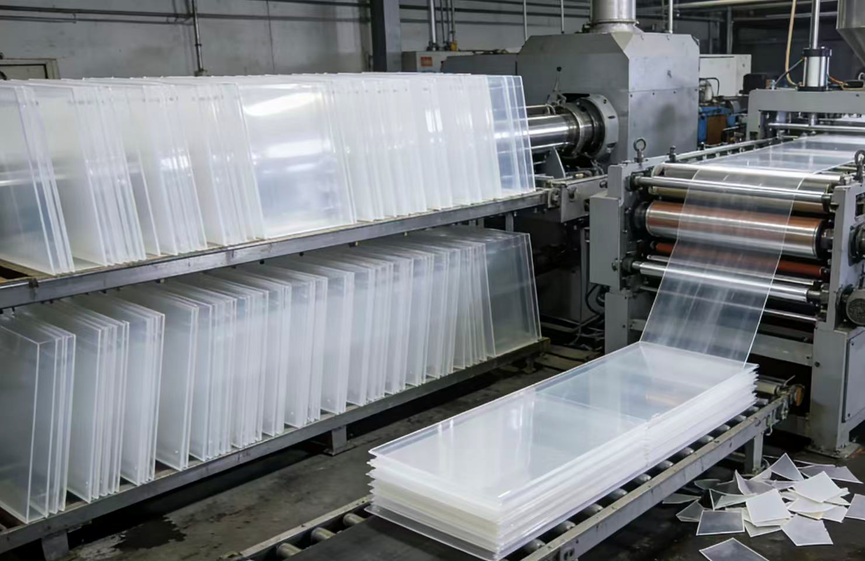
Both single and multi-layer plastic extrusion equipment offer energy-saving potential, but the strategies for optimization align with their unique designs—for single layer systems, the focus is on enhancing existing efficiency, while for multi-layer systems, it’s on reducing inherent energy waste.
For a Single Layer Sheet Plastic Extruder Line, small, targeted upgrades can boost energy efficiency by 10–15% without compromising production:
These upgrades build on the single layer system’s inherent efficiency, making it an even more cost-effective choice for standard plastic sheet extrusion.
For multi-layer plastic sheet extrusion machine systems, optimization focuses on reducing energy waste from complex design:
While these strategies cut energy use, they cannot eliminate the inherent inefficiency of multiple extruders and complex die heads—making multi-layer systems still less efficient than single layer alternatives for standard applications.
Energy efficiency directly impacts the total cost of ownership (TCO) of plastic extrusion equipment, and the gap between single and multi-layer systems widens significantly when energy costs are factored in over the machine’s 10–15 year lifespan. A Single Layer Sheet Plastic Extruder has a lower upfront cost and lower ongoing energy costs, leading to a shorter ROI cycle (2–3 years on average) for standard the sheet extrusion production. The minimal maintenance and downtime also reduce indirect energy costs, further lowering TCO.
Multi-layer plastic sheet extrusion line systems have a higher upfront cost and 30–50% higher annual energy costs for standard applications, pushing their ROI cycle to 4–6 years. Even with optimization, their inherent design means higher ongoing energy expenses, which add up to thousands in additional costs over the machine’s life. Only for high-value, complex sheet production (where the product commands a premium price) does the multi-layer system’s TCO become justifiable—its energy costs are offset by higher product revenue.
Q1: Can a Single Layer Sheet Plastic Extruder Line handle blended or modified resins for plastic sheet extrusion?
Yes, modern single layer systems are highly adaptable to blended, modified, or even biodegradable resins for plastic sheet extrusion. Their streamlined screw and die head design can process these materials with minimal energy waste, making them a flexible choice for standard sheet production with varied resin formulations.
Q2: How much energy can I save by choosing a single layer extruder over a multi-layer system for standard packaging sheets?
For high-volume standard packaging sheet production, a Single Layer Sheet Plastic Extruder can save 30–50% on annual energy costs compared to a multi-layer system of comparable capacity. These savings translate to significant reductions in operational costs over the machine’s lifespan.
Q3: Do single layer extruders sacrifice sheet quality for energy efficiency in plastic sheet extrusion?
No—modern Single Layer Sheet Plastic Extruder Line systems feature optimized screw designs and high-precision die heads that deliver excellent sheet thickness uniformity, tensile strength, and heat-sealing performance. They meet all industry quality standards for standard plastic sheet extrusion applications, with no trade-off between efficiency and quality.
Q4: What energy-efficient features should I look for when buying a plastic sheet extrusion machine for high-volume production?
Prioritize high-efficiency motors, VFD controls, advanced insulation, and precision temperature regulation—WYLONG’s single layer extruder lines, for example, come with all these features as standard, plus a modular design that makes future energy-saving upgrades simple and cost-effective for continuous plastic sheet extrusion production.
Choosing between single and multi-layer extruders for plastic sheet extrusion is not a simple comparison of energy efficiency—it’s a value-driven decision that aligns equipment design with product needs, production scale, and long-term operational goals. The core value of a Single Layer Sheet Plastic Extruder Line lies in its inherent energy efficiency, which translates to lower operational costs, a shorter ROI cycle, and consistent value for the 80% of manufacturers producing standard plastic sheets for packaging, agriculture, and general industrial use. Its streamlined design is not just a cost saver—it’s a strategic advantage, as lower energy costs boost profit margins and align with global sustainability goals without compromising product quality or production capacity.
Multi-layer extruders, by contrast, deliver value only when production requires complex, multi-functional sheets—their higher energy use is justified by the added value of the final product, and they remain the right choice for high-performance barrier sheets and specialized industrial applications. For these manufacturers, energy efficiency is still important, but it’s secondary to the machine’s ability to produce high-value products that single layer systems cannot.
In this landscape, partnering with a manufacturer that designs plastic extrusion equipment for intentional energy efficiency is critical, and WYLONG stands out for engineering single layer extruder lines that balance peak performance with minimal energy use. Every WYLONG Single Layer Sheet Plastic Extruder is built with the latest energy-saving technology as standard, from high-efficiency motors to precision thermal control, and features a modular design that scales with your production needs—ensuring you unlock maximum value from your equipment, both in energy savings and long-term production reliability.
Ready to optimize your plastic sheet extrusion production with an energy-efficient extruder that aligns with your product needs and budget? Reach out to the experts at WYLONG today, they will conduct a personalized energy and production analysis for your business, recommend the ideal the sheet extrusion machine configuration, and help you unlock maximum energy savings and operational value. Get your custom consultation and quote now, and take the first step toward efficient, cost-effective plastic sheet production!

Our professional team of technical experts provides services for your needs around the clock time.