×
×



Thermoforming is a widely used manufacturing process across packaging, automotive, and consumer goods industries. It involves heating plastic sheet to a flexible state, then using vacuum or air pressure to shape it in molds. Thermoforming packaging offers high cost-effectiveness and versatility, making it ideal for food containers, medical products, and retail blister packaging. However, manufacturers often face defects like webbing and thinning during production, which increase thermoforming costs and cause delays. Understanding the root causes of these issues is critical to improving product quality and operational efficiency—whether you’re new to using a thermoforming machine or a seasoned professional optimizing existing workflows. This guide breaks down the science behind webbing and thinning, plus actionable solutions to prevent them.
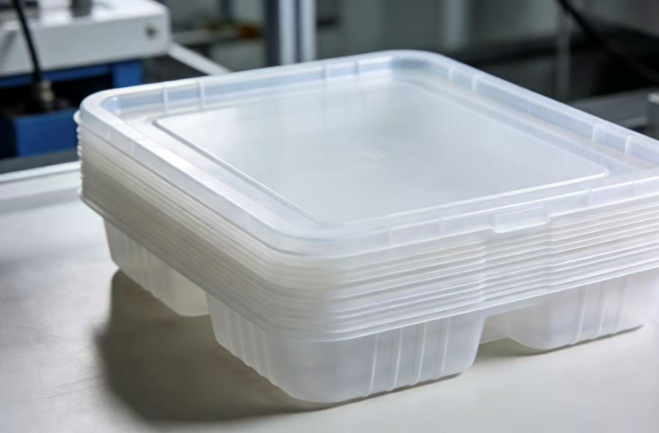
Webbing refers to thin, spider web-like plastic strands that form between mold cavities or above mold features. Even after trimming, these excess strands may remain on finished products, affecting both appearance and functionality. For example, in food trays or medical thermoforming packaging, webbing can create gaps that compromise hygiene or protective performance.
Thinning (also called uneven wall thickness) occurs when plastic sheet is overstretched during molding, resulting in inconsistent wall thickness. This defect is particularly problematic for load-bearing components or thermoforming packaging protecting fragile items—it reduces product durability and increases defect rates.
| Defect Name | Appearance | Primary Cause | Quick Fix |
| Webbing | Thin plastic strands between mold cavities or features | 1. Excessively high sheet temperature2. Insufficient cavity spacing in the mold3. Clogged vacuum holes or weak vacuum pressure | 1. Lower the oven temperature slightly2. Increase spacing between mold cavities3. Clean vacuum holes and check for air leaks |
| Thinning | Uneven wall thickness; some areas feel overly thin | 1. Uneven heating of the plastic sheet2. Too much vacuum pressure3. Mold design with sharp corners or excessive depth |
The foundation of defect-free thermoforming lies in plastic sheet quality and proper handling:
Low-quality sheets with uneven thickness or impurities (dust, moisture) lead to uneven stretching and heating.
Incorrect sheet orientation (ignoring extrusion direction guidelines) results in uneven molecular flexibility and thinning.
Source high-quality plastic sheet from reliable suppliers, ensuring consistent thickness and no contaminants.
Store sheets in a dry, clean environment to prevent moisture absorption.
Follow supplier guidelines for sheet orientation when loading into the thermoforming machine.
Improper equipment parameters are a top culprit for webbing and thinning:
Overheating makes sheets overly soft, leading to webbing between mold cavities.
Excessive vacuum pressure overstretches sheets, causing thinning; insufficient pressure results in incomplete forming and webbing.
Uneven heating (no zone heating capability) leads to inconsistent sheet flexibility.
Calibrate temperature settings based on the plastic sheet material (e.g., PP, PET, PLA) and use zone heating for uniform heat distribution.
Gradually test and adjust vacuum pressure—avoid extreme settings.
Regularly maintain heating elements and vacuum systems to ensure optimal performance.
Invest in equipment with precise control capabilities (e.g., multi-station models with digital temperature and pressure regulation) for stable forming conditions.
Even high-quality materials ang thermoforming equipment can’t compensate for poor mold design:
Sharp mold corners force rapid, localized stretching, leading to thinning.
Narrow cavity spacing creates webbing between mold features.
Insufficient or poorly placed vacuum holes cause uneven pressure distribution.
Lack of draft angles hinders demolding and contributes to uneven stretching.
Optimize mold design: round sharp corners, increase cavity spacing, and add appropriate draft angles.
Ensure molds have enough vacuum holes, strategically placed for uniform pressure.
Clean vacuum channels regularly to prevent clogs.
Use durable molds made of aluminum or steel for long-term precision.
Precision thermoforming equipment is key to minimizing webbing and thinning by controlling three critical factors:
High-precision machines also reduce material waste—uniform forming means less trimming and lower thermoforming costs. Additionally, reliable equipment requires less frequent maintenance, ensuring smoother, uninterrupted production.
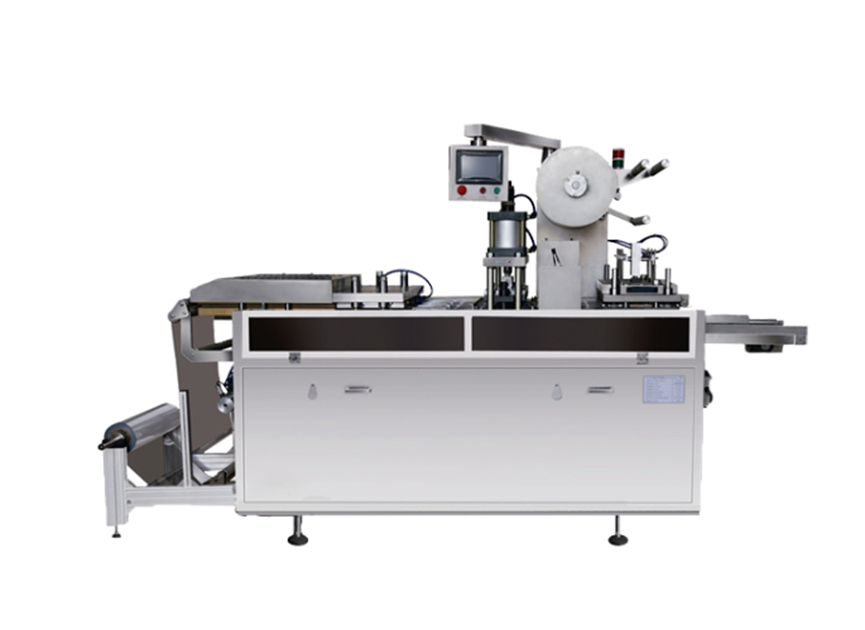
Choosing the right thermoforming machine for sale is vital for reducing defects and waste. Consider these key factors:
What causes webbing in thermoformed products?
Webbing typically stems from three issues: overheating of plastic sheet, insufficient mold cavity spacing, or weak vacuum pressure. Fixes include lowering oven temperature, increasing cavity spacing, and cleaning vacuum holes.
How can I eliminate thinning in thermoforming?
Address thinning by using zone heating for uniform sheet heating, reducing vacuum pressure slightly, optimizing mold design (rounding sharp corners), and selecting high-quality, consistent-thickness plastic sheet.
Does the choice of thermoforming machine affect defect rates?
Yes. Machines with precise temperature and pressure control, plus uniform force distribution, maintain stable forming conditions—significantly reducing webbing and thinning. Investing in high-quality equipment improves product quality and cuts waste.
How do defects impact thermoforming costs?
Webbing and thinning increase material waste, require additional trimming, and raise defect rates—all of which drive up costs. Preventing defects through proper material selection, equipment setup, and mold design lowers overall production expenses.
Webbing and thinning are common but preventable defects in thermoforming. By addressing three core areas—material quality (high-quality, properly stored plastic sheet), equipment optimization (precise temperature/pressure control, zone heating), and mold design (rounded corners, sufficient vacuum holes)—manufacturers can significantly reduce defect rates. Investing in precision thermoforming equipment further enhances consistency, minimizes waste, and lowers long-term thermoforming costs.
Whether you’re producing thermoforming packaging, industrial parts, or medical products, these strategies will help you achieve stable, high-quality output. For businesses looking to upgrade their equipment or resolve persistent defect issues, partnering with a manufacturer that prioritizes precision and functionality is key. Ready to optimize your thermoforming process and reduce webbing and thinning? Contact WYLONG for a complimentary quote and expert technical advice tailored to your specific production needs.

Our professional team of technical experts provides services for your needs around the clock time.

 Optimized by Seraphinite Accelerator