×


In the plastic manufacturing landscape, selecting the right thermoforming equipment is a pivotal decision that shapes production efficiency, cost control and business scalability. Whether you’re a small custom fabrication shop or a large-scale production plant, the choice between an automatic plastic thermoforming machine and a semi-automatic variant hinges on your unique production needs, resource constraints and long-term business goals. This guide breaks down the core differences, pros and cons, and selection criteria to help you pick the perfect thermoformer for your operations.
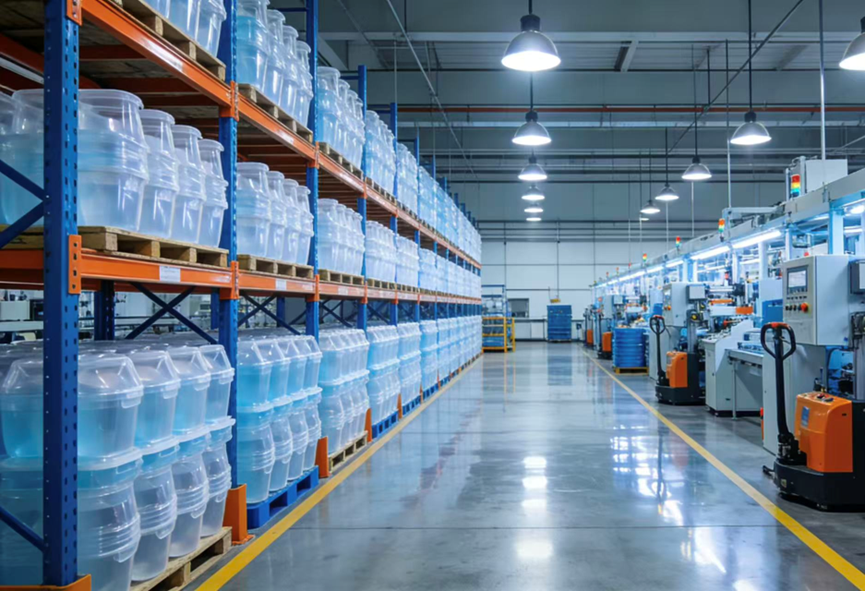
At its core, a plastic thermoforming machine uses heat and pressure to mold plastic sheets into predefined shapes, a process integral to packaging, automotive, and consumer goods manufacturing. The two primary variants differ most in automation level and human intervention, with distinct feature sets that cater to different production scenarios.
An automatic plastic thermoforming machine leverages built-in sensors and programmable controls to handle the entire production cycle—from material feeding and precise heating to forming and automatic cutting—with minimal human input. It also boasts adaptive settings for different automatic plastic thermoforming machine material types and real-time production data monitoring for quality assurance.
Semi-automatic thermoforming equipment, by contrast, blends partial automation with manual operation. It requires workers to handle material loading and finished product unloading, while core steps like heating and forming run automatically. Its standout features include adjustable heat and pressure settings, a compact design, and intuitive controls that make quick product changes possible.
The biggest draw of an automatic plastic thermoforming machine is its unbeatable production efficiency and consistency. It can produce thousands of pieces per hour, cutting down on labor costs by reducing the need for on-floor operators and minimizing human error in the production process. Setup and job switching are also faster than manual alternatives, making it ideal for continuous production runs. Built-in safety features and material adaptability further add to its appeal for high-volume operations.
That said, this thermoformer comes with notable drawbacks. The initial investment is significantly higher than semi-automatic models, a barrier for small and medium-sized businesses with limited capital. It also requires trained technicians for setup, operation and repairs—complex components mean downtime can be lengthy if issues arise, and the learning curve for its advanced features can be steep for new operators.
Semi-automatic plastic thermoforming machine models shine when it comes to affordability and flexibility, with a far lower initial cost that makes them accessible for small businesses and startup manufacturing operations. Their manual control elements let workers monitor production in real time, fixing small issues on the fly to maintain product quality, and their adjustable settings make them perfect for custom orders and small-batch production of unique shapes. The compact design also means they fit easily into tight workspaces, and they require minimal training for basic operation.
The primary limitations center on production speed and labor dependency. Since workers must load and unload materials by hand, output volume is far lower than automatic variants, making them ill-suited for large-scale runs. Human error can also impact consistency, and some basic models lack the advanced safety features and data monitoring capabilities of their automatic counterparts. Additionally, continuous manual operation can lead to higher long-term labor costs for sustained production.
To simplify the decision-making process, the following breakdowns compare the two thermoforming equipment types across five critical operational dimensions—use tables for at-a-glance clarity and brief explanations for context.
| Type | Production Speed | Efficiency | Ideal For |
| Automatic | Very High | High (minimal waste, consistent output) | Mass, continuous production |
| Semi-Automatic | Moderate | Medium (variable based on operator skill) | Small batches, custom runs |
Automatic models deliver unbroken production cycles, while semi-automatic efficiency is tied to manual workflow speed—this is the single biggest performance gap between the two.
| Type | Initial Cost | Training Needed | Ongoing Costs |
| Automatic | High | High (skilled technicians) | Medium (low labor, higher maintenance) |
| Semi-Automatic | Low | Low (basic operator training) | Low (minimal maintenance, higher labor) |
An automatic plastic thermoforming machine has a steeper upfront cost, but it offsets this with lower long-term labor expenses for high-volume production.
Semi-automatic thermoforming equipment offers unrivaled hands-on control—operators can adjust heat, pressure and forming time in real time to tweak designs or test new materials, making it perfect for prototyping and custom orders. Automatic models, while precise, have rigid programming that makes quick design changes more time-consuming, as they’re optimized for repeating the same production cycle.
Semi-automatic plastic thermoforming machine units have fewer complex components, so maintenance is straightforward—operators can identify and fix most issues quickly with basic training. Automatic models, with their advanced sensors and controls, need specialized maintenance from trained technicians; repairs can take longer, and replacement parts may be more costly.
Automatic models are larger and require dedicated production space, making them the go-to for big manufacturing plants and high-volume businesses. Semi-automatic units have a compact footprint that fits in small workshops, suiting startups, small businesses or companies that focus on custom, low-volume production.
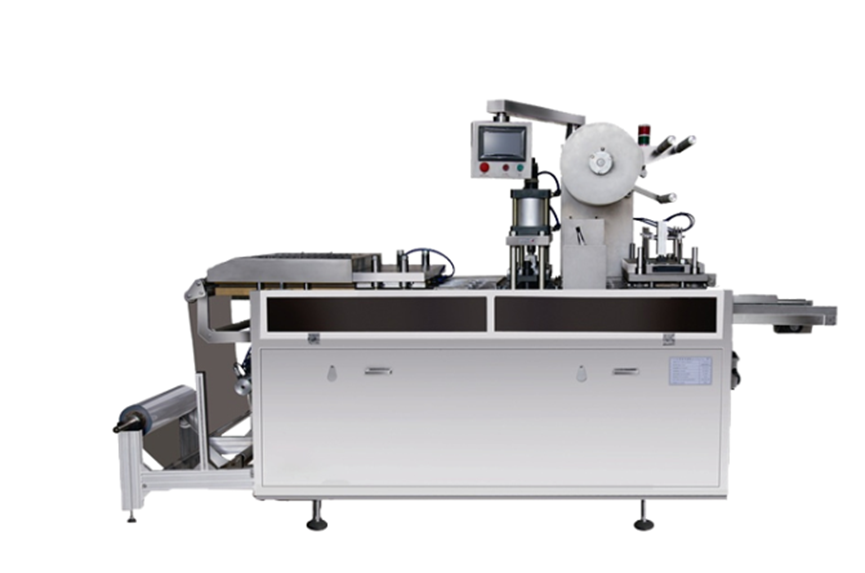
The right thermoformer isn’t just about features—it’s about matching the machine to your day-to-day production and long-term business plans. Below is a clear breakdown of when to choose each variant, based on core operational needs.
Opt for an automatic plastic thermoforming machine if your business focuses on mass production—producing thousands of identical parts daily or weekly—and has the capital for upfront investment and skilled technical staff. This choice is also ideal if you work with multiple automatic plastic thermoforming machine material types and need consistent quality across large production runs. It’s a smart long-term investment for businesses looking to scale, as it reduces labor costs over time and can handle increased demand without major operational overhauls. When selecting this model, partner with a reputable automatic plastic thermoforming machine manufacturer to ensure the unit is built for your specific material and production needs.
A semi-automatic plastic thermoforming machine is the perfect fit if your production is limited to small batches, custom orders or prototyping. It’s also ideal for small businesses or startups with limited capital, tight workspace and a team without advanced technical thermoforming training. This variant is also a good choice if you frequently switch between different product designs, as its flexible controls make quick adjustments easy. For businesses testing new thermoforming equipment or looking to enter the plastic manufacturing space with low risk, it’s the most practical starting point.
Q1: How do I choose the right automatic plastic thermoforming machine material for my production needs?
The best material depends on your end product—food packaging requires food-grade plastic sheets, while industrial parts need durable, high-heat resistant materials. A trusted automatic plastic thermoforming machine company or manufacturer can test different materials with your machine and recommend the optimal option based on forming requirements and product use.
Q2: Can a semi-automatic thermoformer be upgraded to an automatic model as my business scales?
Some basic semi-automatic thermoforming equipment models offer modular upgrade options, such as adding automatic feeding or cutting systems. However, full automation upgrades are often cost-prohibitive; for most businesses, it’s more practical to invest in a new machine when production volume demands it.
Q3: What’s the average lifespan of a commercial plastic thermoforming machine with proper maintenance?
With regular cleaning, part replacement and routine maintenance, an automatic model can last 10–15 years, while a semi-automatic unit typically has a lifespan of 8–12 years. WYLONG’s thermoforming machines, for example, are built with high-grade components that extend operational life and reduce unplanned downtime.
Q4: Do I need a dedicated space for a commercial thermoforming equipment unit, or can it integrate into my existing workflow?
Semi-automatic models have a compact design that fits most existing manufacturing workflows with minimal adjustments. Automatic plastic thermoforming machine units need a dedicated space with room for material storage, production and finished product handling—an experienced manufacturer can help design a workflow integration plan for your facility.
Choosing between an automatic plastic thermoforming machine and a semi-automatic thermoformer ultimately comes down to aligning the machine’s capabilities with your production volume, budget, workspace and long-term scalability goals. Automatic models excel at high-volume, consistent production, making them the ideal choice for large manufacturing operations with the capital and technical staff to support them—they deliver long-term cost savings through reduced labor and minimal waste, especially when paired with a reliable automatic plastic thermoforming machine manufacturer. Semi-automatic models, by contrast, offer unbeatable flexibility and affordability, suiting small businesses, custom fabrication shops and startups that prioritize adaptability over sheer production speed.
Whichever variant you choose, quality and compatibility are non-negotiable—WYLONG stands out in the market for crafting both automatic and semi-automatic thermoforming equipment that’s tailored to diverse manufacturing needs, with a focus on durable build quality, material adaptability and user-friendly operation. The brand’s expertise in matching the right plastic thermoforming machine to each business’s unique requirements ensures that you get the most value from your investment, whether you’re producing small custom runs or large-scale mass products.
Unsure which thermoforming equipment is the right fit for your production needs, or need guidance on selecting the perfect material? Reach out to the experts at WYLONG today—our team will assess your production volume, budget, workspace and scalability goals to recommend the ideal thermoformer for your business. Get a personalized consultation and quote now to take the first step toward optimizing your plastic thermoforming production efficiency!

Our professional team of technical experts provides services for your needs around the clock time.