< img height="1" width="1" style="display:none" src="https://www.facebook.com/tr?id=1496710568309645&ev=PageView&noscript=1" /> ...
×

Automatic Thermoforming Machine Troubleshooting for Common Production Issues

May 29, 2026

Introduction

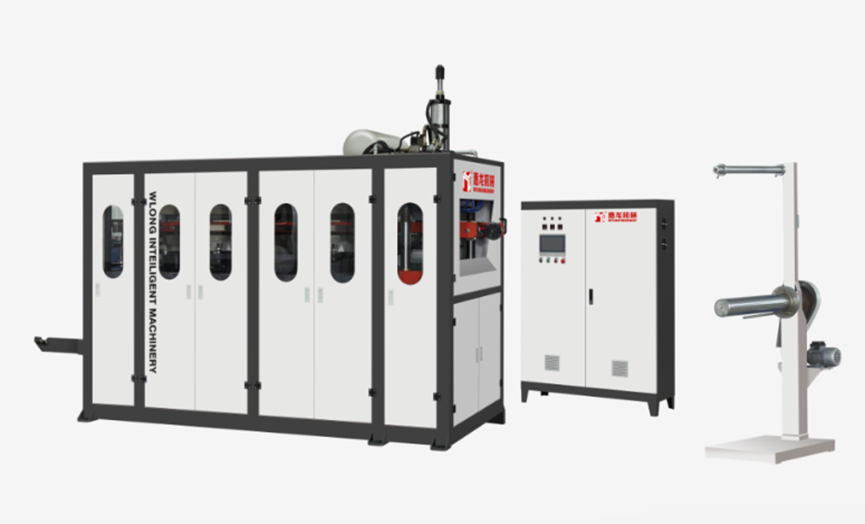
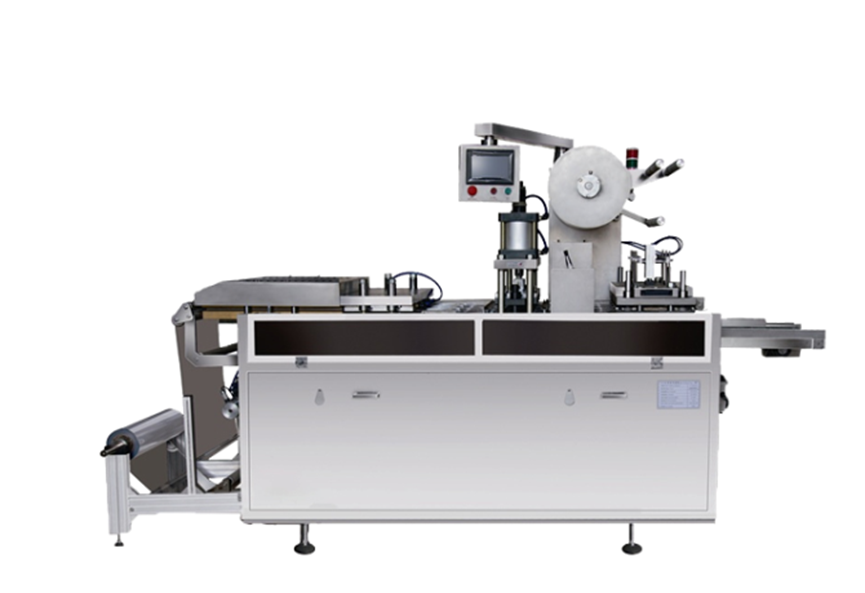
In plastic processing, an automatic plastic thermoforming machine drives high-volume production of trays, containers, blister packs, and disposable products. Even well-maintained thermoforming equipment can develop faults that disrupt lines, raise scrap, and cut profits. Understanding and resolving common production issues of automatic thermoforming machine quickly is critical to minimizing downtime. With a clear automatic plastic thermoforming machine troubleshooting guide, operators can diagnose problems systematically and keep plastic thermoforming machine lines stable and efficient.


Common Production Issues of Automatic Thermoforming Machine

Typical faults in daily forming operation

Daily runs often show repeatable symptoms that point to root causes:

  • Sheet feeding errors: Jams, misalignment, or uneven tension cause stops and poor registration.
  • Heating inconsistencies: Hot spots or cold zones lead to uneven softening and bad forming.
  • Forming defects: Warping, wrinkling, incomplete draw, or thin spots ruin product quality.
  • Trimming issues: Ragged edges, inconsistent cuts, or misaligned punching.
  • Noise/vibration: Unusual sounds or shaking signal mechanical wear or misalignment.


Main causes of unstable production

Most instability traces back to three categories:

  • Mechanical: Worn rollers, bent guides, loose chains, or damaged tensioners.
  • Electrical/controls: Sensor drift, wiring faults, PLC errors, or heater element failure.
  • Process/setup: Wrong temperature, pressure, speed, or tension for the automatic plastic thermoforming machine material being run.


Automatic Thermoforming Machine Troubleshooting Guide

Step-by-step check for quick diagnosis

Follow a consistent flow to isolate issues fast:

Observe symptoms: Note when the fault occurs—feed, heat, form, trim, or idle.

Inspect the feed path: Check alignment, roller cleanliness, guide gaps, and tension.

Verify heating: Measure zone temperatures, check heater status, and inspect reflectors.

Examine forming: Check mold alignment, vacuum/pressure, and sheet contact uniformity.

Review controls: Check sensor readings, setpoints, alarms, and wiring connections.


Safe troubleshooting steps on site

Safety comes first during intervention:

  • Lock out power and air before touching moving parts or hot zones.
  • Use gloves and eye protection near heaters, molds, and cutters.
  • Never reach into running equipment or bypass safety interlocks.
  • Document changes and perform a short test run before full production resumes.


How to Fix Automatic Thermoforming Machine Problems

Solutions for sheet feeding errors

Feeding issues are the most frequent pain point:

  • Jams/blockages: Clear debris, trim curled edges, and clean rollers.
  • Misalignment: Center guides to sheet width; ensure parallel rollers and even roll mounting.
  • Uneven tension: Calibrate tension—thinner/softer materials need less tension; rigid sheets need moderate tension.
  • Slippage: Degrease rollers, replace worn rubber, and adjust roller pressure.


Fixes for heating and forming defects

Heating and forming quality directly drive yield:

  • Uneven heating: Clean reflectors, replace faulty elements, and recalibrate temperature sensors.
  • Warping/wrinkling: Reduce heat, optimize cooling, and balance tension.
  • Incomplete forming: Increase vacuum/pressure, extend heat time, or repair mold venting.
  • Edge tearing: Lower tension, smooth mold edges, and improve heating uniformity.


Fault Solutions for Automatic Plastic Thermoforming Equipment

Repair tips for mechanical failures

Mechanical faults require precision checks:

  • Worn rollers: Replace and align to ensure linear, slip-free transport.
  • Loose guides: Tighten hardware and set consistent gaps.
  • Tension mechanism issues: Replace springs or clutches; calibrate tension ranges.
  • Vibration/noise: Lubricate bearings, realign drives, and tighten fasteners.


Adjustment methods for electrical issues

Electrical problems often cause sudden stops or drift:

  • Temperature control drift: Recalibrate sensors, check wiring, and replace faulty heaters.
  • PLC/alarm errors: Reset, review logs, and contact your automatic plastic thermoforming machine manufacturer if persistent.
  • Motor overload: Check for binding, reduce load, or service the drive.
  • Sensor inaccuracy: Clean lenses, check mounting, and calibrate offsets.
  • Thermoformer Troubleshooting for Daily Production

Quick fixes for common small faults

Resolve minor issues without long stops:

  • Light wrinkles: Slightly lower tension and clean rollers.
  • Minor temperature drift: Fine-tune zone setpoints and check sensor contact.
  • Slight trim misalignment: Adjust blade height/position and stabilize sheet registration.
  • Mild noise: Lubricate contact points and tighten loose fasteners.

Maintenance to reduce failure rate

Preventive care cuts failures dramatically:

  • Daily: Clean feed path, inspect tension, check alignment, and clear debris.
  • Weekly: Verify heater performance, tighten bolts, and lubricate key moving parts.
  • Monthly: Calibrate temperature/pressure sensors and inspect wiring.
  • Quarterly: Replace high-wear items and perform a full system inspection.


Choose Reliable Automatic Thermoforming Machine Manufacturer

Select quality equipment from professional company

A dependable automatic plastic thermoforming machine company delivers stable build quality and support. Look for proven designs, robust frames, and consistent after-sales service to reduce long-term headaches.


Check material and performance of machine

Focus on build quality and process capability:

  • Construction: Heavy-duty frames, precision-machined parts, and corrosion-resistant finishes.
  • Performance: Stable feed, repeatable temperature control, and consistent forming pressure.
  • Flexibility: Ability to run multiple materials and thicknesses with quick changeovers.
  • Support: Spare parts availability and expert guidance for automatic plastic thermoforming equipment fault solutions.


FAQs

The machine stops randomly mid-runwhat should I check first?

Start with safety interlocks, air pressure, and power supply. Then inspect for feed jams, overheating, or tripped overloads.

Products are inconsistent in thicknesswhats the usual cause?

Uneven heating, unstable tension, or inconsistent vacuum/pressure. Check heater balance, roller slippage, and mold seal.

Can I perform electrical repairs myself?

Only basic checks if trained. For complex electrical faults, contact a professional or your manufacturer to avoid hazards.

Is WYLONG a reliable manufacturer for stable automatic thermoforming machines?

Yes. WYLONG designs robust automatic plastic thermoforming machine models with precise controls, durable components, and clear thermoformer troubleshooting for daily production issues guidance, supporting reliable mass production.


Conclusion

Troubleshooting an automatic plastic thermoforming machine effectively reduces downtime, scrap, and rework. By systematically addressing feed, heating, forming, mechanical, and electrical issues, you keep thermoforming equipment running consistently. Combine quick fixes with regular maintenance, and choose a trusted automatic plastic thermoforming machine manufacturer for long-term stability. WYLONG builds high-performance machines optimized for reliability and easy maintenance. If you need help resolving production faults or selecting equipment, contact our team today for professional consultation and tailored solutions.


×
Home
WhatsApp
EMail
Go Top
Seraphinite AcceleratorOptimized by Seraphinite Accelerator
Turns on site high speed to be attractive for people and search engines.