×


Biodegradable plastics have emerged as a cornerstone of sustainable manufacturing, and their production via plastic sheet extrusion demands a delicate balance of process precision and energy efficiency. Unlike traditional thermoplastics, biodegradable material has unique thermal and mechanical properties—including lower thermal stability and higher moisture sensitivity—that can drive up energy use in the extrusion process if not managed properly. For operations using biodegradable extruders, optimizing energy consumption is not just a cost-saving measure; it also preserves material integrity, boosts extrusion quality, and aligns production with sustainability goals. This guide breaks down targeted strategies to cut energy use across every stage of biodegradable plastic production, from equipment calibration to smart automation, all tailored to the unique demands of biodegradable extruders and complementary plastic extrusion equipment.
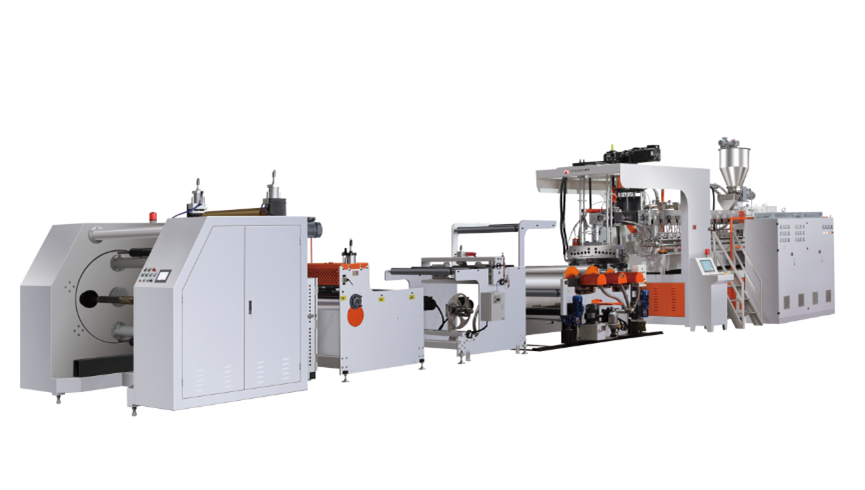
Biodegradable extruders are the heart of sustainable sheet production, and their design and calibration directly impact energy efficiency. Unlike standard plastic sheet extrusion machine models, these specialized extruders require fine-tuned adjustments to avoid overprocessing—one of the biggest energy wasters in biodegradable production:
These tweaks turn biodegradable extruders into energy-efficient workhorses, without compromising the extrusion quality critical for plastic sheet extrusion.
A single biodegradable extruder cannot operate at peak efficiency in an unsynchronized system; the entire sheet extrusion line—from feeders to cooling units—must work in harmony to eliminate energy waste. Sheet extrusion line synchronization centers on matching the speed and output of every component to the extruder’s production rate, avoiding bottlenecks that force the extruder to run idle or at inconsistent speeds. For example, calibrating the cooling conveyor speed to the extruder’s sheet output prevents the need for rework or reheating, while synchronized feed systems ensure a steady material flow that eliminates energy spikes from sudden load changes. Even small adjustments to line synchronization can reduce overall energy use by 15–20% in biodegradable plastic sheet extrusion.
Moisture is the biggest enemy of biodegradable material—and a hidden energy drain. Excess moisture in resins causes foaming, uneven melting, and poor extrusion quality, forcing biodegradable extruders to use more energy to reprocess defective material or compensate for inconsistent melt flow. Proactive moisture control strategies eliminate this waste:
By keeping moisture in check, operations not only protect extrusion quality but also cut the energy wasted on rework and overprocessing in biodegradable extruders.
Many biodegradable sheet production runs require additive blending—for UV resistance or flexibility—and mixing is often an overlooked energy drain. Biodegradable material does not require high-intensity mixing, and aggressive blending uses excess energy while increasing the risk of thermal degradation. Gentle mixing strategies for biodegradable extruders focus on low-energy, high-uniformity blending:
This approach cuts mixing energy use while preserving the structural integrity of biodegradable material, a key factor in maintaining extrusion quality in plastic sheet extrusion.
Thermal management is make-or-break for energy efficiency in biodegradable extruders, as these machines rely on precise heating and cooling to process sensitive biodegradable material. Traditional thermal systems often use more energy than needed, but targeted optimizations align heating and cooling with the material’s exact requirements:
These changes make the thermal system of biodegradable extruders far more efficient, with typical energy savings of 20–25% in plastic sheet extrusion operations.
Material waste directly translates to energy waste—every pound of defective biodegradable sheet represents the energy used to melt, form, and process that material for nothing. Optimizing material compatibility and reducing waste is therefore an indirect yet powerful way to cut energy consumption in biodegradable extruders:
By cutting material waste by just 10%, operations can reduce the energy used in plastic sheet extrusion by a corresponding amount—with no impact on production volume.
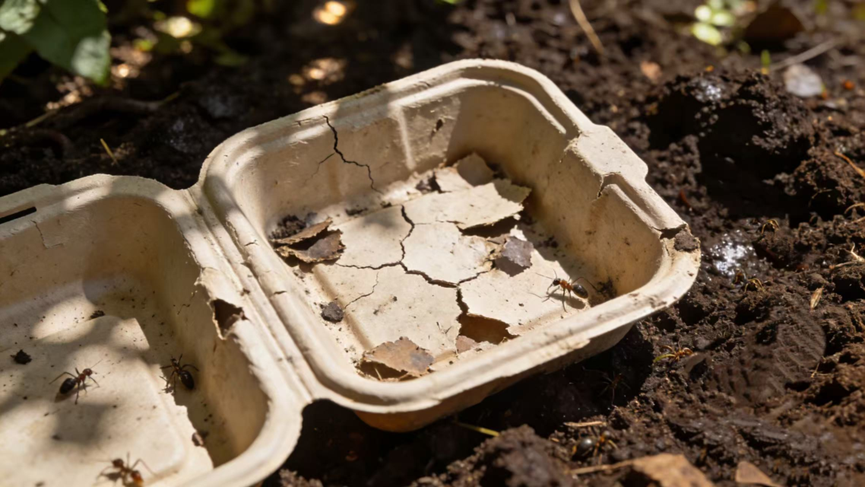
Modern biodegradable extruders and plastic extrusion equipment are built for smart automation, which turns real-time data into immediate energy savings. Smart systems eliminate the guesswork from energy management, adjusting process parameters on the fly to match production needs and material properties:
Smart automation transforms biodegradable extruders from passive machines to active energy managers, ensuring every unit of power is used for productive production.
Neglected biodegradable extruders and plastic extrusion equipment quickly become energy hogs—worn components increase friction, leak heat, and force the machine to work harder to maintain production levels. Preventive maintenance preserves energy efficiency over the long term, with simple, regular checks:
Calibration of Sensors and Controls: Recalibrate temperature and pressure sensors quarterly to ensure accurate process control, avoiding overheating and energy waste.
A well-maintained biodegradable extruder uses up to 30% less energy than a neglected one, making preventive maintenance a low-cost, high-reward energy strategy.
Reducing energy consumption in biodegradable plastic extrusion is a holistic process that starts with understanding the unique properties of biodegradable material and the specialized needs of biodegradable extruders. From calibrating screw profiles and synchronizing the plastic sheet extrusion line to controlling moisture and leveraging smart automation, every strategy ties back to a single goal: using energy only where it is needed, while preserving extrusion quality and material integrity. These optimizations do not just cut costs; they turn sustainable material production into a truly sustainable process, aligning operational efficiency with the environmental values that drive biodegradable plastic manufacturing.
WYLONG is a leader in engineering energy-efficient biodegradable extruders and complementary plastic extrusion equipment, designed specifically for the unique demands of biodegradable material and sheet extrusion. Our machines feature precision thermal control, low-shear screw designs, and smart automation integration—all built to minimize energy use while maximizing extrusion quality and material compatibility. Beyond equipment, our expert team provides end-to-end support, from process calibration to preventive maintenance, ensuring your sheet extrusion line operates at peak energy efficiency for years to come.If you’re ready to cut energy consumption, boost sustainability, and preserve extrusion quality in your biodegradable plastic production, contact them today. Our specialists will work with you to design a customized energy optimization solution for your biodegradable extruders and production line, tailored to your material needs and production goals.
What is the single biggest energy waster in biodegradable extruders for plastic sheet extrusion?
Overheating and unsynchronized production line components are the top energy wasters, as both force the extruder to use excess power to compensate for inefficiencies or reprocess defective material. WYLONG designs biodegradable extruders with precision thermal control and line synchronization features to eliminate these common issues, boosting energy efficiency by up to 25%.
How does material compatibility impact energy use in the biodegradable extrusion process?
Poor material compatibility causes phase separation, foaming, and defective sheet, which requires rework or scrapping—both of which waste the energy used to process the material. Ensuring full compatibility between biodegradable material and additives eliminates this waste, cutting indirect energy use significantly.
Can energy-efficient upgrades for biodegradable extruders impact extrusion quality?
No—when tailored to biodegradable material properties, energy-efficient upgrades (e.g., low-shear screws, precision heating) actually improve extrusion quality by reducing material degradation and inconsistent melt flow, a win for both sustainability and production.
How does moisture control specifically reduce energy use in biodegradable extruders?
Excess moisture in biodegradable material leads to uneven melting and material defects, which forces the extrusion process to consume more energy for reprocessing or scrapping defective products. Effective moisture control avoids these issues, reduces unnecessary energy consumption, and keeps the sheet extrusion line running efficiently.
Is smart automation necessary for energy savings in biodegradable plastic extrusion?
Smart automation isn’t mandatory, but it significantly amplifies energy savings by enabling real-time adjustment of process parameters for biodegradable extruders. It eliminates human error in temperature and speed control, ensuring the plastic sheet extrusion line always operates at the most energy-efficient state, with minimal manual intervention.

Our professional team of technical experts provides services for your needs around the clock time.