×


In the plastic manufacturing landscape, plastic sheet extrusion stands as a foundational process for producing versatile, high-performance single layer plastic sheets used across packaging, construction, automotive, and consumer goods industries. The success of this process hinges not just on the precision of extrusion equipment, but first and foremost on strategic raw material selection—an often underrated step that directly shapes sheet quality, process efficiency, and end-product functionality. For operations leveraging a Single Layer Sheet Plastic Extruder, choosing the right thermoplastics and additives is the cornerstone of consistent production, as the single layer design leaves no room for material mismatches to be masked by multi-layer composition. This guide breaks down the critical principles, properties, and frameworks for raw material selection, tailored to the unique demands of the single layer extrusion process and the equipment that powers it.
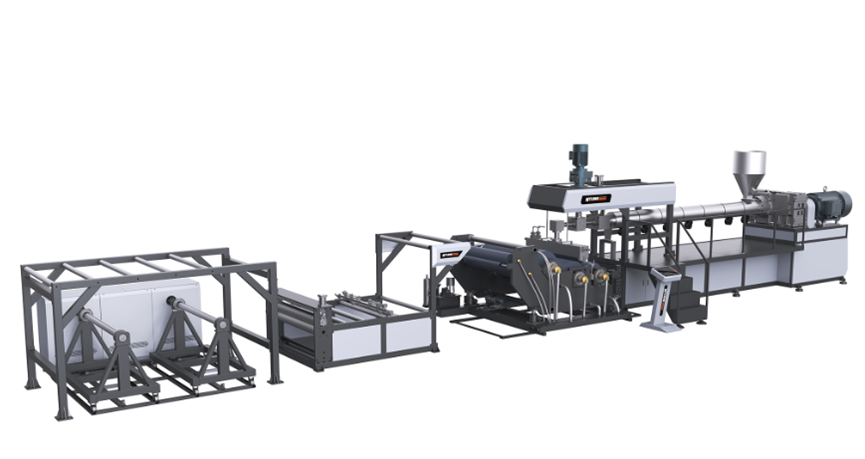
Raw material selection for single layer sheet extrusion is guided by three non-negotiable principles, each aligned with the capabilities of plastic extrusion equipment and the end-use of the sheet:
Application-Centricity: Every material choice must map to the sheet’s intended function—whether it requires chemical resistance for food packaging, impact strength for industrial panels, or flexibility for thermoforming.
Process Compatibility: Materials must work seamlessly with the Single Layer Sheet Plastic Extruder Line, including its temperature ranges, screw design, and die specifications, to avoid melt degradation or production jams.
Balanced Value: Prioritize materials that deliver target quality without unnecessary cost, while accounting for sustainability and supply chain availability.
These principles ensure that raw materials do not just meet product specs, but also optimize the performance of the plastic sheet extrusion machine and the overall plastic sheet extrusion line.
Not all thermoplastics are suited for single layer sheet extrusion, and the single layer extrusion process demands strict adherence to material properties that impact melt behavior and final sheet integrity. Below are the non-negotiable properties to evaluate, each critical for seamless processing on a Single Layer Sheet Plastic Extruder:
Even the best materials fail if they do not align with the Single Layer Sheet Plastic Extruder Line’s operational parameters. Process compatibility boils down to two core checks:
Temperature Matching: Ensure the material’s melting and processing temperatures fall within the extruder’s heating zone capabilities—overheating causes degradation, while underheating leads to poor melt homogenization.
Screw & Feed System Fit: The plastic extrusion equipment’s screw design (e.g., single or twin screw) and feed rate must accommodate the material’s bulk density and flow characteristics to prevent feed jams or uneven melting.
For the single layer extrusion process, consistent melt flow is non-negotiable, so material compatibility with the extruder’s core components directly impacts production uptime.
The right thermoplastic for single layer sheet extrusion depends entirely on the end application. Below is a quick reference for the most widely used materials and their ideal use cases, all compatible with standard plastic sheet extrusion line setups:
| Thermoplastic | Key Traits | Single Layer Sheet Applications |
| HDPE | High impact resistance, chemical resistance, low cost | Food packaging, industrial liners, outdoor panels |
| LDPE | Flexibility, moisture barrier, easy thermoforming | Stretch films, light-duty packaging, disposable containers |
| PVC (Rigid) | Stiffness, UV resistance, dimensional stability | Construction panels, window frames, signage |
| PET | High clarity, mechanical strength, recyclable | Clear food packaging, thermoformed trays, cosmetic containers |
| PP | Lightweight, heat resistance, chemical stability | Microwavable food containers, automotive interior panels |
Additives elevate single layer sheet functionality without compromising the single layer extrusion process or the performance of the Single Layer Sheet Plastic Extruder. Select additives based on the sheet’s intended use, ensuring compatibility with the base thermoplastic:
Sustainability is no longer a bonus—it’s a requirement for modern plastic sheet extrusion. Sustainable raw material options for the Single Layer Sheet Plastic Extruder include:
All sustainable options are compatible with standard plastic extrusion equipment when processed with minor temperature and screw speed adjustments.
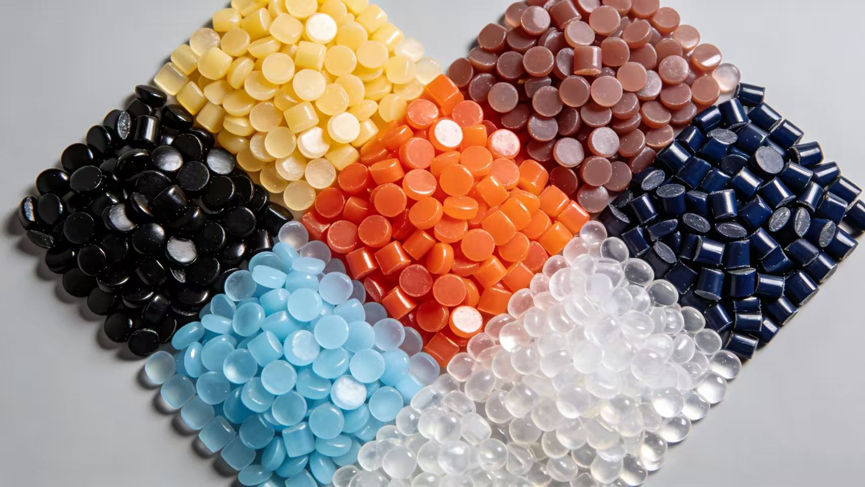
Follow this structured framework to select raw materials for your Single Layer Sheet Plastic Extruder—a process that eliminates guesswork and ensures alignment with all production and product goals:
Define the single layer sheet’s end-use requirements (mechanical, chemical, environmental).
Shortlist thermoplastics with matching core properties (refer to the thermoplastic application table).
Validate process compatibility with your plastic sheet extrusion machine and line parameters.
Select compatible additives to enhance targeted performance traits.
Evaluate sustainable material alternatives where applicable.
Conduct small-batch testing (see Quality Control section) to confirm sheet quality.
Finalize materials based on quality, cost, and supply chain availability.
Raw material testing is non-negotiable for consistent plastic sheet extrusion, especially for the single layer extrusion process where defects are visible and impactful. Implement these quality control steps before full-scale production:
Cost efficiency is key for sustainable production, and optimizing raw materials does not require sacrificing sheet quality—even for the Single Layer Sheet Plastic Extruder:
Raw material selection is the unsung hero of successful plastic sheet extrusion, and for the Single Layer Sheet Plastic Extruder, it is the defining factor of production consistency and end-product quality. From evaluating core properties like MFI and thermal stability to aligning materials with plastic extrusion equipment parameters, every step of the selection process ties back to one goal: creating a single layer sheet that meets application demands while optimizing the process. Sustainable raw materials, strategic additive use, and rigorous quality control further elevate this process, balancing performance, cost, and environmental responsibility—three pillars of modern plastic manufacturing.
WYLONG stands as a trusted partner in every step of single layer sheet extrusion, designing and manufacturing high-precision Single Layer Sheet Plastic Extruder and plastic sheet extrusion line solutions tailored to diverse material needs and production goals. Our equipment is engineered for seamless compatibility with virgin, recycled, and biobased thermoplastics, while our expert team provides end-to-end support—from material selection guidance to process calibration. Whether you’re producing packaging sheets, construction panels, or consumer goods components, we craft extrusion solutions that turn raw material potential into high-quality, consistent single layer sheets.
If you’re ready to optimize your raw material selection and extrusion process with a Single Layer Sheet Plastic Extruder built for performance and versatility, contact them today—our experts will work with you to design a customized solution aligned with your production needs, material choices, and business goals.
What is the most critical material property for processing on a Single Layer Sheet Plastic Extruder?
Melt Flow Index (MFI) is the most critical, as it directly impacts melt uniformity and sheet thickness—core requirements for the single layer extrusion process. For those seeking equipment tailored to optimal MFI processing, WYLONG offers Single Layer Sheet Plastic Extruder models calibrated for a wide range of thermoplastic MFIs.
Can sustainable resins be used on standard plastic extrusion equipment?
Yes—most PCR and biobased resins work with standard plastic sheet extrusion line setups with minor parameter adjustments to temperature and screw speed.
How to choose raw materials for food-grade single layer plastic sheets?
For food-grade applications, prioritize food-safe certified thermoplastics like food-grade PP, PET, and HDPE, ensuring they meet regional food contact standards. Avoid unapproved additives, and conduct strict contamination checks during pre-processing. Pair these materials with a Single Layer Sheet Plastic Extruder designed for hygienic production to guarantee sheet safety.
What should I do if raw materials cause sheet warping during single layer extrusion?
First, check the material’s shrinkage rate—opt for low-shrinkage resin grades if warping is persistent. Then adjust the cooling system of your plastic sheet extrusion line to ensure uniform cooling, and fine-tune the temperature and screw speed parameters of the Single Layer Sheet Plastic Extruder to reduce internal stress in the molten plastic during forming.

Our professional team of technical experts provides services for your needs around the clock time.