×


The future of thermoforming is being redefined not just by material and process innovations, but by a radical evolution in the thermoforming machine itself—one that aligns with global manufacturing shifts toward efficiency, sustainability, and flexibility. For plant managers, procurement teams and business owners investing in thermoforming equipment, these trends are not just industry talk; they’re critical considerations for making smart, future-proof decisions about thermoformer purchases, factory layout and operational strategy. From AI-driven automation to localized production hubs, the next five years will transform how plastic thermoforming machine units are designed, used and valued—shaping everything from the costs to long-term production scalability. This guide breaks down the seven pivotal trends, each tied directly to equipment and factory decision-making, to help businesses stay ahead in a rapidly evolving market.
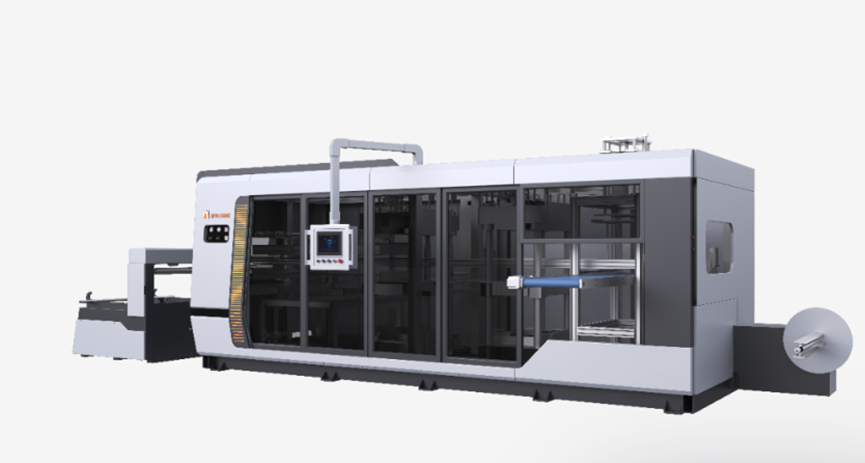
Gone are the days of basic automatic or semi-automatic thermoforming machine operation; the next generation of equipment is built on AI-driven closed-loop systems that create self-optimizing production lines. These smart machine units integrate machine learning and real-time data analytics to adjust heat, pressure and speed on the fly, detecting defects mid-production and reducing waste by up to 30% compared to traditional models. For factory decision-makers, this means prioritizing equipment with built-in connectivity and data integration capabilities—even if the upfront thermoforming machine price is higher, the long-term reduction in the costs and labor needs delivers significant ROI. This automation shift also changes factory staffing strategies, requiring cross-trained teams that can manage, not just operate, these intelligent systems.
Sustainability is no longer a niche focus—it’s a core requirement for thermoforming equipment, especially for businesses producing thermoforming packaging. The 2026–2030 era will see every new machine engineered to work seamlessly with biodegradable, compostable and recycled polymers, materials that demand precise temperature and pressure control very different from traditional plastics like PET or PP. For factory planners, this means investing in the machine units with modular heating and forming components that can adapt to new sustainable materials without full equipment overhauls. Choosing adaptable equipment now avoids the cost of replacing outdated machines as regulatory and consumer demand for sustainable packaging intensifies, a key consideration for any business evaluating thermoforming machine for sale options.
The growth of high-end thermoforming in medical and automotive manufacturing is driving a new wave of precision thermoforming equipment—a trend that directly impacts factory equipment selection and production layout. Medical device components and automotive interior parts require micron-level accuracy, and the latest machine units feature advanced servo motors, laser-guided forming and ultra-precise temperature control to meet these standards. For businesses entering or scaling in these sectors, this means prioritizing specialized models over general-purpose equipment, even if it means a smaller production footprint. Factory decision-makers will also need to design dedicated cleanroom or controlled-environment production zones for these precision machines, a critical layout adjustment to maintain compliance and quality.
Modern market demand for personalized packaging and custom components is pushing the industry toward thermoforming machine units that deliver customization at scale—an essential trend for factory decision-makers balancing flexibility and efficiency. The latest thermoforming equipment features quick-change tooling systems that reduce setup time from hours to minutes, allowing a single machine to switch between small-batch custom runs and larger production jobs without lost productivity. This flexibility eliminates the need for multiple dedicated machines, cutting down on factory floor space and overall price investments. For businesses, this means evaluating thermoforming machine for sale options based on tooling flexibility and changeover speed, not just raw production volume.
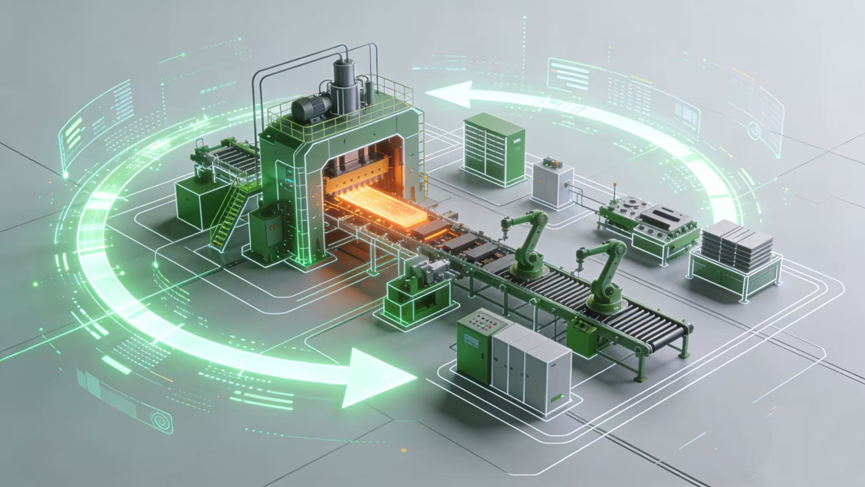
Unplanned equipment downtime is a major driver of costs, and the digital twin and predictive maintenance trend is solving this problem by redefining how factories manage thermoforming equipment. A digital twin creates a virtual replica of a machine, allowing managers to simulate production runs, test adjustments and predict maintenance needs before parts fail. The latest machine units come with embedded sensors that feed real-time performance data to these digital twins, alerting teams to potential issues like worn belts or faulty heating elements weeks in advance. For factory decision-makers, this means investing in connected the equipment with predictive maintenance capabilities—a small upfront cost that translates to 40% or more reduction in unplanned downtime, a critical factor for optimizing production uptime and ROI.
Global sustainability goals and rising energy costs are making energy efficiency a non-negotiable feature for thermoforming machine units, a trend that shapes both equipment purchases and factory infrastructure design. The next generation of the equipment features energy-recovery heating systems, low-power motors and insulated forming chambers that cut energy use by up to 25% compared to older models. For factory planners, this means not only selecting energy-efficient machine units but also designing production lines to group these machines for optimal energy distribution, further reducing operational thermoforming costs. When evaluating machine, energy efficiency ratings will become as important as production speed, a shift that aligns factory operations with corporate sustainability targets and lower long-term utility bills.
The global shift to nearshoring and localized production hubs is the final game-changing trend, one that impacts every aspect of thermoforming machine selection and factory setup. As businesses move production closer to their end markets, they need compact, modular equipment that can be installed in smaller regional production facilities, rather than large central factories. The latest machine units are built with a modular, space-saving design that fits into compact production spaces, without sacrificing production capacity or quality. For factory decision-makers, this means prioritizing portable, modular machine models when expanding to regional hubs, and evaluating thermoforming machine price and shipping costs for these smaller, localized setups. This trend also drives the need for regional service and support for the equipment, a key consideration when partnering with equipment manufacturers.
How will these trends impact the average thermoforming machine price for new equipment in 2026–2030?
Smart, sustainable and precision thermoforming machine units will have a higher upfront price point, but modular design and energy efficiency will create more tiered options—from basic smart models to high-end precision units—so businesses can invest based on their specific needs. The long-term reduction in the costs will offset the upfront investment for most operations within 2–3 years.
Do I need to replace my existing thermoforming equipment to adapt to sustainable material trends?
Not necessarily. Many current thermoformer units can be retrofitted with modular heating and forming components to work with sustainable materials, a more cost-effective option than full replacement for businesses with well-maintained equipment. Always consult the manufacturer before making retrofitting decisions.
What features should I prioritize when looking for thermoforming machine for sale to support customization at scale?
Focus on quick-change tooling systems, modular forming stations and intuitive touchscreen controls—these features reduce setup time and make it easy to switch between production runs. WYLONG’s latest thermoforming machine line, for example, features tooling changeover in under 15 minutes, ideal for small-batch, high-variety production demands.
How does digital twin technology integrate with existing factory systems for thermoforming equipment?
Most digital twin platforms for thermoformer units are cloud-based and compatible with common factory ERP and MES systems, allowing seamless data integration across the production line. No major factory system overhauls are needed for most mid-to-large businesses, making it a scalable upgrade for existing equipment.
The future of thermoforming is inherently tied to the evolution of thermoforming machine technology, and every trend shaping 2026–2030 circles back to one core truth: the value of the equipment now lies in its adaptability, intelligence and alignment with business and global manufacturing goals. For factory and business decision-makers, this means moving beyond evaluating the machine’s price and raw production speed alone, and instead measuring equipment value by its ability to reduce long-term thermoforming costs, adapt to new materials and markets, and integrate with smart factory systems. A thermoformer is no longer just a production tool—it’s a strategic asset that shapes a business’s ability to compete, sustain and scale in the next decade.
In this rapidly shifting landscape, partnering with a manufacturer that designs equipment with these trends in mind is non-negotiable, and WYLONG stands out for building thermoforming equipment that marries innovation with practical factory functionality. Every plastic thermoforming machine in the brand’s lineup is engineered for AI integration, sustainable material compatibility and flexible production, with a focus on minimizing downtime and maximizing ROI—core priorities for any business making equipment and factory decisions for the 2026–2030 era. Whether for packaging or high-end industrial components, WYLONG’s machine units are built to grow and adapt with businesses, turning industry trends into tangible operational success.
Ready to align your thermoforming equipment and factory strategy with the game-changing trends shaping the future for 2026–2030? Reach out to the experts at WYLONG today, the team will conduct a personalized assessment of your operations, recommend the ideal units, and help you design a future-proof production setup that minimizes costs and maximizes scalability. Get your custom consultation and quote now to take the first step toward leading the next era of thermoforming manufacturing!

Our professional team of technical experts provides services for your needs around the clock time.