×
×



In the production of plastic films, blown film extrusion stands as one of the most widely adopted methods—renowned for its high efficiency and flexibility. It can manufacture films of varying thicknesses and widths to cater to diverse industry needs, from food packaging to agricultural and industrial applications. Whether you’re a small business owner scaling up production or part of a large manufacturing team optimizing workflows, understanding the nuances of this process is pivotal to enhancing product quality and boosting production efficiency.
In this blog, we’ll break down the five core extrusion process steps of blown film extrusion, address common process defects with actionable solutions, and share insights on selecting the right equipment. Ready to elevate your film production?
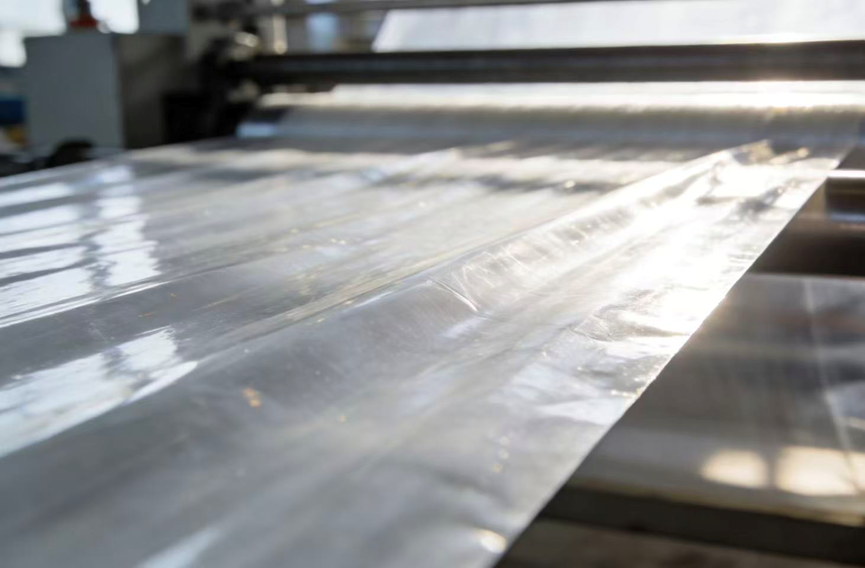
Adequate preparation before starting the plastic extrusion process is the cornerstone of producing high-quality films. This stage lays the groundwork for consistent, defect-free output in extrusion film manufacturing.
The first step is choosing the right plastic raw material. Most blown films are made from PE, but materials like PP are also commonly used—with selections varying based on whether the end product is for blown film extrusion or plastic sheet extrusion. The choice depends entirely on the film’s intended use:
Additionally, opting for high-purity raw materials free of impurities is critical—contaminants can lead to surface defects, pinholes, or structural weaknesses in the final film, regardless of whether it’s produced via plastic film extrusion or plastic sheet extrusion.
Next, the plastic pellets undergo pre-treatment to ensure optimal performance in the plastic extrusion process:
Once preparations are complete, the blown film extrusion line kicks into action. Each of the five core plastic extrusion steps works in synergy to transform raw pellets into high-quality plastic film—precision in every stage is non-negotiable for extrusion film manufacturing.
This step takes place in the blown film extrusion machine. Prepared plastic pellets are fed into the extruder via a hopper, where a rotating screw pushes them forward through the heated barrel— a key part of any plastic extrusion line. As the pellets move, they absorb heat from the barrel and melt into a molten plastic state.
The screw’s design ensures thorough mixing of the molten plastic, eliminating air bubbles and guaranteeing uniform temperature and texture—key to avoiding thickness variations in the final film, whether produced via blown film extrusion or plastic sheet extrusion.
The homogenized molten plastic is then forced into a die head—a critical component of blown film extrusion equipment. For it, the die head is a circular opening that shapes the plastic into a continuous tubular form (known as a “film tube”), while plastic sheet extrusion uses a flat die. The die head’s size and design directly determine the initial diameter of the film tube in the process.
Precision in die head design is critical: it must ensure consistent flow of molten plastic. Poor die design or internal impurities can result in eccentric film tubes or uneven thickness, disrupting the extrusion process steps.
As the plastic tube exits the die head, a stream of compressed air is blown into its center— a unique step in blown film extrusion that sets it apart from plastic sheet extrusion. This inflates the tube like a balloon, increasing its diameter—more air means a wider final film.
Simultaneously, a wind ring surrounding the tube blows cold air onto the inflated bubble. This cooling step is vital: it solidifies the plastic, locking in the film’s shape and thickness. Uniform cooling prevents warping or uneven shrinkage in extrusion film manufacturing.
After the bubble cools and solidifies, it’s guided upward to a flattening frame (composed of multiple rollers) that flattens the tubular film into a flat sheet— a key transition in the blown film extrusion process. The flattened film then passes through a set of pull rollers, which draw the film at a steady speed—controlling its final thickness, a critical parameter in all of it.
Traction speed must be perfectly synchronized with extrusion speed and bubble inflation: too fast, and the film becomes overly thin; too slow, and it’s too thick— a balance that’s essential across all plastic extrusion steps.
The final step in the blown film extrusion process is winding the flat film into neat rolls. The film is fed into a winding unit of the extrusion line and wrapped around a paper core. Tension control during this stage is make-or-break, regardless of whether it’s part of blown film extrusion or plastic sheet extrusion:
Modern blown film extrusion equipment is equipped with automatic tension control systems, maintaining stable tension throughout winding to ensure compact, uniform rolls ready for storage or further processing in manufacturing.
Even with careful process management, defects can occur in extrusion film manufacturing. Below is a clear breakdown of common issues, their causes, and actionable solutions to maintain film quality across blown film extrusion and other variants.
3.Use filtered raw materials to eliminate contaminants, improving quality in extrusion film manufacturing.
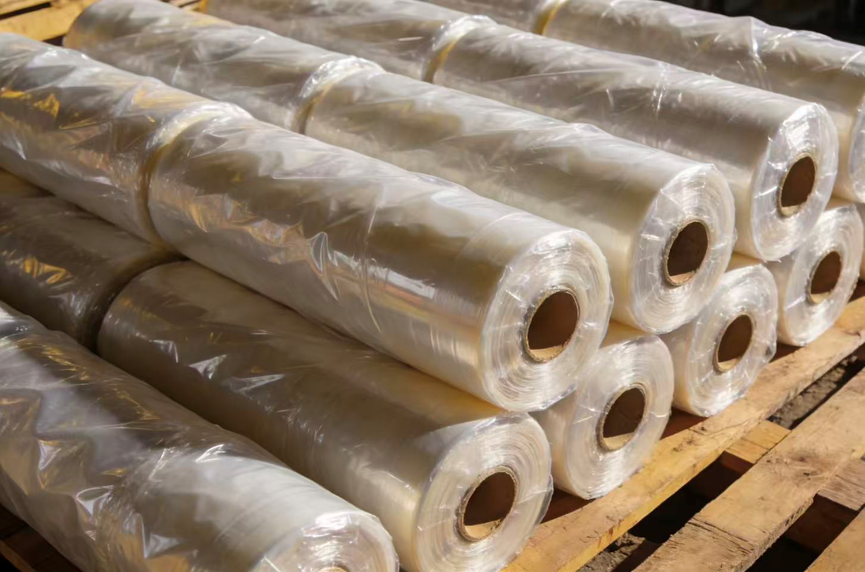
Film quality and production efficiency depend not just on process control, but also on the reliability of your equipment. Investing in a high-quality blown film extrusion line delivers tangible benefits for manufacturing:
How long does it take to commission a blown film extrusion line?
Commissioning time depends on equipment complexity and film type. A standard plastic extrusion line typically takes 2–4 hours to set up and calibrate, after which it can operate continuously for hours or even days in extrusion film manufacturing.
Can blown film extrusion produce colored films?
Yes! Colorants are added to raw materials during the pre-processing stage of the plastic extrusion process. They mix evenly with molten plastic during extrusion process, resulting in consistent, vibrant colored films for manufacturing.
What’s the difference between blown film extrusion and plastic sheet extrusion?
Blown film extrusion produces thin, flexible films by inflating a plastic tube, while plastic sheet extrusion uses a flat die to produce thicker, rigid sheets. While the core melting principle in the process is similar, the equipment (especially die heads) and end products differ significantly.
How do I choose the right blown film extrusion machine for my business?
Consider your film’s intended use (e.g., food packaging, agriculture), required thickness/width, production volume, and material type (PE, PP, etc.). WYLONG offers customized plastic extrusion line solutions—from compact machines for small batches to high-speed extrusion line for mass production—paired with technical support to match your extrusion film manufacturing needs.
Blown film extrusion is a precise, efficient process for plastic film extrusion, with each of the five core plastic extrusion steps directly impacting final quality. Whether you’re a small business producing specialty films or a large manufacturer scaling up for mass markets, mastering these steps and investing in reliable blown film extrusion equipment will help you overcome challenges like uneven thickness, bubble instability, and low efficiency in extrusion film manufacturing.
WYLONG’s blown film extrusion machines and blown film extrusion line are designed to solve these pain points—equipped with advanced control systems, durable components, and customizable features to meet your specific application needs (food packaging, agriculture, industry, etc.). We also provide end-to-end support, from equipment installation and operator training to after-sales maintenance for your plastic extrusion line.
If you’re looking to upgrade your blown film extrusion line, launch a new extrusion film manufacturing project, or resolve existing issues in your plastic extrusion process, contact WYLONG today. Our team will provide a tailored equipment recommendation, free technical consultation, and a detailed quote to help you take the next step in optimizing your film production.

Our professional team of technical experts provides services for your needs around the clock time.

 Optimized by Seraphinite Accelerator